2026 Best Wind Turbine Bearings Provider for Sustainable Energy Solutions?
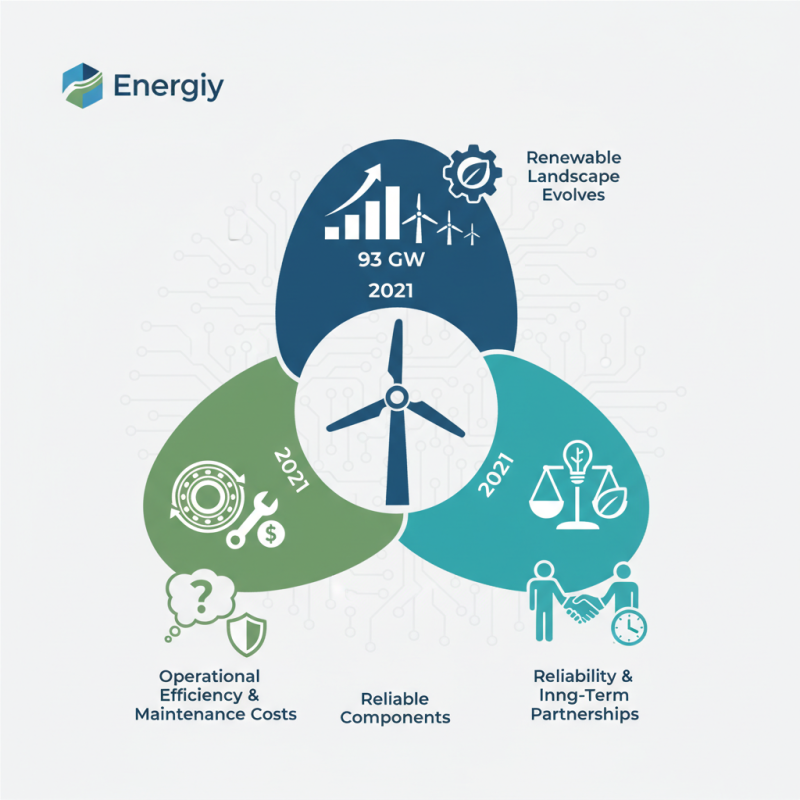
As the renewable energy landscape evolves, wind turbine technology plays a pivotal role in sustainable solutions. The demand for efficient wind turbine bearings grows with an increasing emphasis on energy efficiency. According to the Global Wind Energy Council, annual installations of onshore wind projects reached 93 GW in 2021, highlighting a pressing need for reliable components. The performance of wind turbine bearings directly influences operational efficiency and maintenance costs, making reliable suppliers essential.
Expert in mechanical engineering, Dr. Sarah Thompson, emphasizes, "The right Wind Turbine Bearings Provider can significantly impact a turbine's lifespan and performance." Choosing a provider is not straightforward. While many companies offer solutions, only a few excel in quality and innovation. A thorough assessment is necessary to identify a provider that aligns with sustainability goals without compromising on performance. The complexity of this decision often leads to uncertainty among energy companies, raising questions about long-term partnerships in the industry.
Investing in high-quality bearings can yield significant cost savings over time. However, many providers may lack the expertise to deliver on these expectations. The balance of reliability and innovation will define the leading Wind Turbine Bearings Providers in this evolving market. Companies must remain diligent and ready to adapt as they navigate these crucial partnerships for a sustainable energy future.
Overview of Wind Turbine Bearings and Their Importance in Sustainable Energy
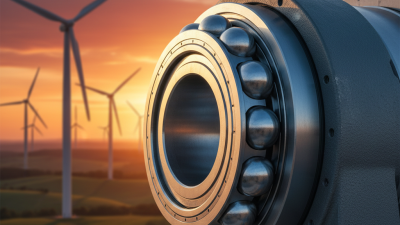
Wind turbine bearings play a critical role in the efficiency and reliability of renewable energy systems. These components support the rotating blades and ensure smooth operation under various environmental conditions. According to the Global Wind Energy Council, the global wind power capacity reached over 743 GW in 2020, demonstrating the importance of robust and durable bearings in maintaining operational efficiency.
Selecting high-quality bearings is essential for reducing maintenance costs and extending the lifespan of wind turbines. Studies show that over 30% of wind turbine failures are linked to bearing issues. Predictive maintenance strategies, enabled by advanced sensor technology, can help monitor bearing conditions and prevent catastrophic failures. It’s intriguing that while technology advances, the reliance on poor-quality components continues in some segments, leading to significant cost implications.
Designing bearings that can withstand extreme weather, such as high winds and ice accumulation, is a continual challenge. Many manufacturers are researching materials that exhibit better fatigue resistance and lower friction. Innovations in lubrication methods also contribute to improved performance. However, the industry must reflect on its practices to ensure sustainability and reliability in the long run. Exploring alternative materials could hold the key to enhancing bearing performance while reducing environmental impacts.
Key Features of High-Quality Wind Turbine Bearings
High-quality wind turbine bearings play a critical role in the efficiency and longevity of renewable energy systems. These components must withstand harsh conditions, balancing rigidity and flexibility. According to industry reports, over 20% of maintenance costs in wind energy can be attributed to bearing failures. This highlights the need for rigorous selection and quality control in these essential parts.
Key features of effective wind turbine bearings include enhanced load-carrying capacity and resistance to corrosion. Lubrication is vital; modern advancements have led to the use of synthetic oils, improving performance in extreme temperatures. A recent study revealed that bearings designed for lower friction can increase overall efficiency by up to 5%. This efficiency gain not only reduces operational costs but also contributes to a lower carbon footprint.
However, the industry faces challenges. Manufacturing inconsistencies can result in shorter bearing life cycles and higher replacement rates. Controlling quality throughout the production process is necessary. Additionally, ongoing research into material science is crucial. Innovations could lead to more durable options, but these developments take time and investment. Balancing immediate needs with long-term sustainability goals remains a key consideration for wind energy providers.
Top Providers of Wind Turbine Bearings in 2026
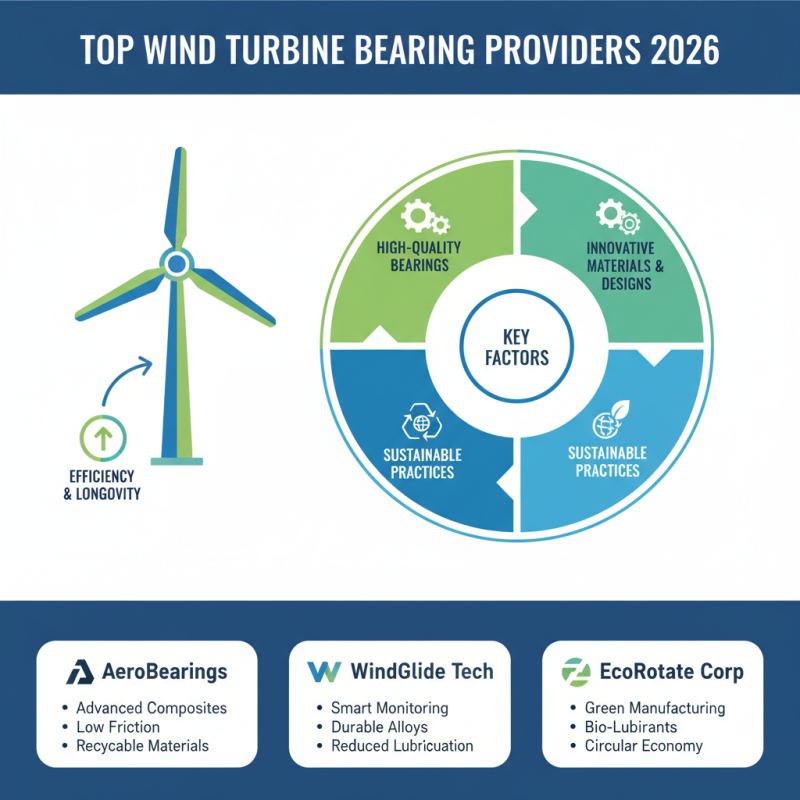
In 2026, the wind energy sector continues to rely heavily on high-quality bearings. These components play a crucial role in the smooth operation of wind turbines. Selecting the right bearings can improve efficiency and longevity. Leading providers focus on innovative materials and designs to enhance performance. Additionally, they emphasize sustainable practices. This has become a key factor in supplier selection.
Expertise in bearing technology is essential. Many companies invest in research and development to advance their products. Some providers are experimenting with advanced lubrication systems. This can reduce friction and wear, leading to better efficiency. However, not all innovations are perfect. There are reports of premature bearing failures in certain environments. Understanding the operational context is vital.
Reliability remains a critical concern. Regular maintenance can help extend the lifespan of these components. Yet, many operators overlook this aspect. Investing in quality bearings is important, but it must be coupled with proper upkeep. Future discussions should address how to improve reliability and support sustainable practices within the industry. This is a growing challenge that requires collective effort and the sharing of insights among professionals.
Innovations in Wind Turbine Bearing Technology for Enhanced Efficiency
Wind turbines are essential in the shift towards sustainable energy. Their effectiveness largely depends on the technology used in their bearings. Innovations in wind turbine bearing technology focus on enhancing efficiency and longevity. With advancing materials and designs, manufacturers can reduce friction and wear, leading to improved performance and lower maintenance costs.
Tip: Always consider the environment when selecting materials for bearings. Eco-friendly options can enhance sustainability.
Recent trends include the use of advanced polymers and composites. These materials offer better resistance to corrosion and fatigue. Additionally, smart sensors embedded in bearings monitor performance in real-time. This innovation can preemptively address potential failures, ensuring optimal functionality. However, the reliance on technology also necessitates thorough training for maintenance personnel.
Tip: Regular training can prevent mechanical issues and prolong bearing life.
Enhanced lubrication systems further contribute to the reliability of wind turbine bearings. By ensuring optimal lubrication, these systems minimize energy loss and increase efficiency. Despite these advancements, there is a need for continuous improvement. The industry must address challenges like varying climatic conditions and material degradation. Embracing innovative solutions will shape the future of wind energy.
2026 Best Wind Turbine Bearings Provider for Sustainable Energy Solutions
| Bearing Type |
Material |
Load Capacity (kN) |
Efficiency Rating (%) |
Maintenance Interval (hours) |
| Spherical Roller Bearing |
Bearing Steel |
200 |
95 |
5000 |
| Tapered Roller Bearing |
High-carbon Steel |
250 |
93 |
6000 |
| Cylindrical Roller Bearing |
Stainless Steel |
180 |
97 |
4000 |
| Magnetic Bearing |
Composite Materials |
300 |
99 |
12000 |
| Plain Bearing |
Bronze |
150 |
90 |
3000 |
Future Trends in Wind Turbine Bearings for Sustainable Energy Solutions
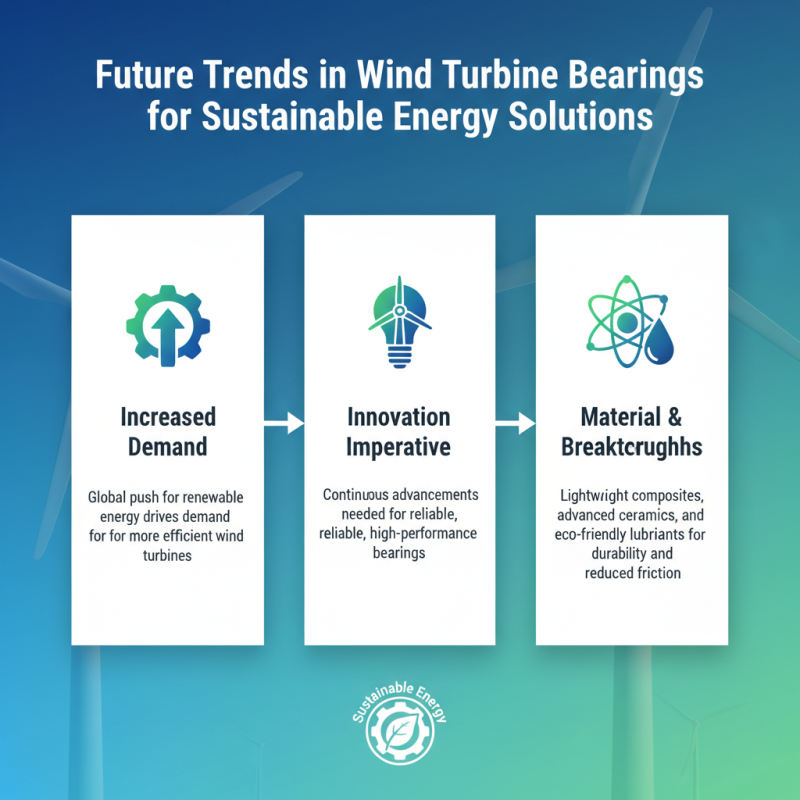
The future of wind turbine bearings is essential for sustainable energy solutions. As demand grows, innovation must keep pace. Bearings play a critical role in ensuring the smooth operation of wind turbines. They withstand heavy loads and harsh weather conditions. Material advancements will likely drive the next generation of bearings. Lightweight composites and enhanced lubricants are promising areas of research.
Moreover, monitoring technology is increasingly vital. Smart sensors can detect wear and tear in real-time. This capability allows for timely maintenance, extending the lifespan of turbines. However, challenges remain. Integration of smart technology with traditional systems can be complex. The balance between efficiency and reliability is a pressing concern.
Sustainability is more than a buzzword; it demands actionable solutions. As manufacturers develop more eco-friendly materials, the industry must address their environmental impact. Not all innovations are foolproof. Continuous testing and feedback are necessary to ensure effectiveness. The path ahead requires collaboration among experts, engineers, and researchers. Embracing this interconnected approach will lead to promising advancements in wind turbine bearings.