2026 Top Imported Bearings vs Domestic Alternatives Which is Best?
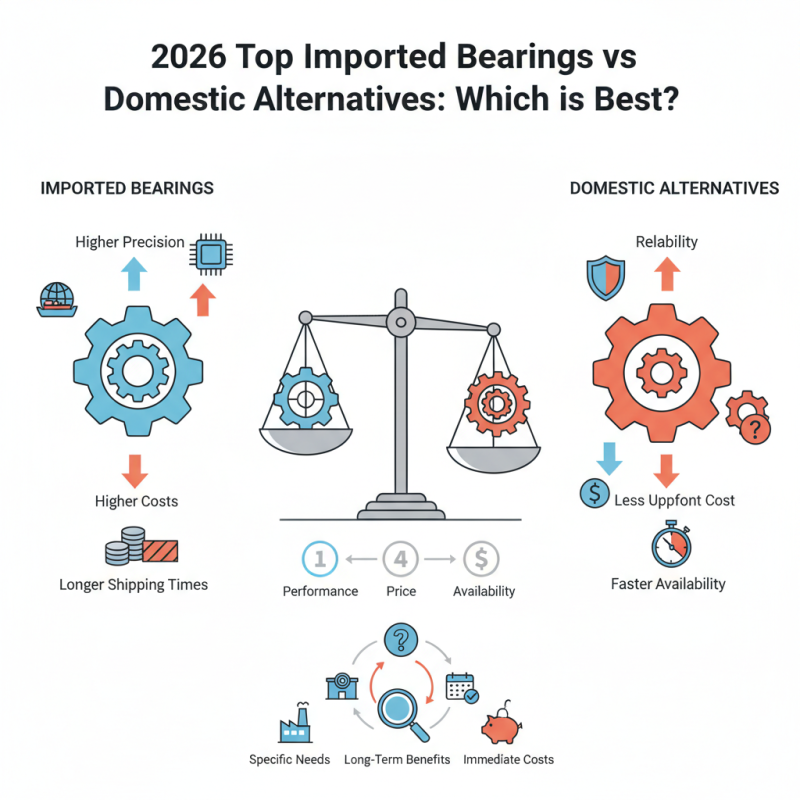
In the world of industrial machinery, the choice between imported bearings and domestic alternatives is crucial. Imported bearings often promise higher precision and advanced technology. However, their costs can be a barrier for many businesses. Domestic alternatives may offer reliability, but can sometimes lack the latest innovations.
Choosing between imported bearings and domestic alternatives requires careful consideration. Factors like performance, price, and availability come into play. Imported bearings can provide a competitive edge due to superior quality. Still, they may also face longer shipping times. Domestic alternatives, while possibly less expensive upfront, might fall short in certain applications.
The decision isn't straightforward. Each option presents its own strengths and weaknesses. Businesses must reflect on their specific needs. Examining long-term benefits versus immediate costs is essential. Ultimately, the best choice may vary based on a company's unique situation. Exploring both imported bearings and domestic alternatives is necessary for informed decision-making.
Overview of Bearings: Types and Applications
Bearings play a crucial role in the performance of various machines and devices. They reduce friction, support loads, and enhance overall efficiency. Different types of bearings exist, including ball bearings, roller bearings, and sleeve bearings. Each type serves specific applications, from automotive to industrial machinery.
When choosing between imported or domestic bearings, consider their application. Imported bearings often promise advanced technology. However, domestic options may offer better reliability and easier access for replacements. Evaluate your needs carefully.
Tips: Always check the material used in bearings. High-quality materials increase longevity. Also, consider the operating environment. Temperature and humidity can affect bearing performance. Don't overlook the importance of proper installation. A small mistake here can lead to premature wear or failure.
2026 Top Imported Bearings vs Domestic Alternatives Which is Best? - Overview of Bearings: Types and Applications
| Bearing Type |
Import Status |
Material Used |
Common Applications |
Average Lifetime (Hours) |
Cost (Estimated Range) |
| Ball Bearings |
Imported |
Steel |
Automotive, Industrial |
10,000 - 30,000 |
$5 - $15 |
| Roller Bearings |
Domestic |
Chrome Steel |
Heavy Machinery, Manufacturing |
15,000 - 40,000 |
$10 - $25 |
| Needle Bearings |
Imported |
Stainless Steel |
Automotive, Aerospace |
20,000 - 50,000 |
$8 - $18 |
| Thrust Bearings |
Domestic |
Carbon Steel |
Marine, Industrial Pumps |
10,000 - 25,000 |
$15 - $30 |
Comparison of Imported and Domestic Bearings
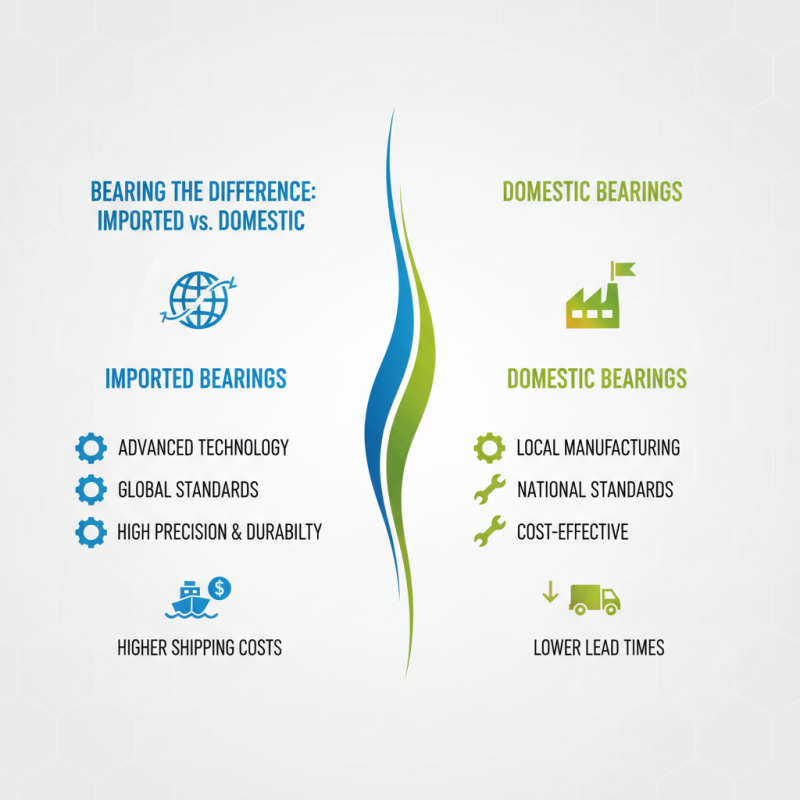
When choosing between imported and domestic bearings, you face multiple factors. Imported bearings often offer advanced technology. They may come from countries with established industry standards. These bearings can provide high precision and durability. However, they might also carry higher shipping costs.
On the other hand, domestic alternatives can be appealing for various reasons. They typically ensure quicker delivery times. Local manufacturing often supports the national economy. The potential downsides include varying quality standards. Production methods can sometimes lag behind global innovations.
Interestingly, the choice often comes down to specific needs. Are you prioritizing cost-effectiveness or performance? Sometimes, domestic bearings may fall short in advanced applications. Yet, they may perform well for standard use. It’s essential to evaluate your requirements carefully. Balancing quality, price, and delivery time is key.
Quality and Performance Metrics for Bearings
When evaluating bearings for industrial applications, quality and performance are crucial metrics. According to recent industry reports, imported bearings often showcase superior tolerance levels. These products typically achieve a tolerance class of P6, while many domestic alternatives may only reach P9. This can impact overall machinery efficiency and lifespan.
Durability also matters. A study revealed that high-grade imported bearings show a fatigue life up to 25% longer than local options. This gap in performance highlights the trade-offs when selecting bearings based on sourcing. While domestic products may offer cost benefits, they sometimes compromise on quality. Furthermore, local suppliers might lack rigorous testing processes, leading to potential reliability issues.
However, price can’t be ignored. Market analyses indicate that domestic bearings often cost 20-30% less than their imported counterparts. This affordability may attract some buyers. Yet, the low price might mask performance flaws. In critical applications, a failure could lead to costly downtimes. Each option has its pros and cons, requiring careful consideration based on specific operational needs.
Cost Analysis: Imported vs Domestic Bearings
When considering imported versus domestic bearings, the cost is a crucial factor. Imported bearings often appear cheaper upfront, but additional fees can arise. Shipping costs, tariffs, and duties may significantly increase the final price. Domestic bearings may have a higher sticker price, but they often come with shorter lead times and lower transport costs. This can make them a more economical option in the long run.
Tips: Always evaluate your needs carefully. Sometimes, quality should outweigh cost. Consider the lifespan of bearings. A higher initial investment can yield savings over time due to reduced replacements.
Moreover, warranties and support vary. Imported products may not have local support, making issues harder to resolve. Domestic manufacturers often provide easier access to assistance and replacements. Take this into account when budgeting for your project. Understanding your priorities will help you make a better decision.
Consumer Preferences and Market Trends in Bearings
In recent years, the market for imported and domestic bearings has evolved significantly. Consumer preferences are shifting based on price, quality, and sustainability. According to a 2023 data report by the Bearing Industry Association, about 60% of consumers are willing to purchase domestic alternatives if they meet quality standards. This shift reflects a growing trend toward supporting local manufacturers.
Despite this, some consumers remain skeptical about the quality of domestic products. A segment of the market still believes that imported bearings outperform their domestic counterparts. Industry reports show that 40% of engineers indicate a preference for imported options due to long-standing reliability. This underscores the importance of ongoing quality assessments in the domestic manufacturing sector.
Tips: Consider testing different brands. Don’t shy away from asking for performance specifications. Purchasing locally can foster regional growth but ensure that products maintain high-quality standards. Balancing cost with reliability remains a challenge for many consumers. Exploring multiple suppliers may yield better options, but always weigh the risks of cutting costs against potential performance issues. The bearings market continues to adapt, reflecting both consumer needs and economic dynamics.
2026 Top Imported Bearings vs Domestic Alternatives: A Consumer Preference Analysis
This chart illustrates the consumer preferences for imported bearings versus domestic alternatives based on a recent market research survey. The data indicates a shifting trend as consumers weigh quality against cost-effectiveness in their purchasing decisions.