Top 10 Advantages of Choosing a Ceramic Hybrid Bearings Supplier
The global bearing market is projected to reach $100 billion by 2026, driven by innovations in materials and technology. Among these innovations, ceramic hybrid bearings are gaining attention for their unique blend of performance and durability. Choosing a reliable Ceramic Hybrid Bearings Supplier is crucial for businesses aiming to enhance equipment longevity and efficiency.
Ceramic hybrid bearings combine traditional steel with ceramic materials, resulting in reduced friction and improved wear resistance. Reports show that these bearings can reduce operational costs by up to 20% in demanding applications. However, selecting the right supplier can be challenging, given the variety of offerings in the market. A quality supplier not only provides superior products but also possesses the expertise to guide customers through the selection process.
It's important to be cautious, as not all suppliers maintain the same standards. Some may exaggerate capabilities, leading to poor performance and unexpected failures. A thoughtful evaluation of potential Ceramic Hybrid Bearings Suppliers ensures that businesses get the best value while minimizing risk. In a fast-moving industry, making informed choices is essential for maintaining a competitive edge.
What are Ceramic Hybrid Bearings and Their Unique Features
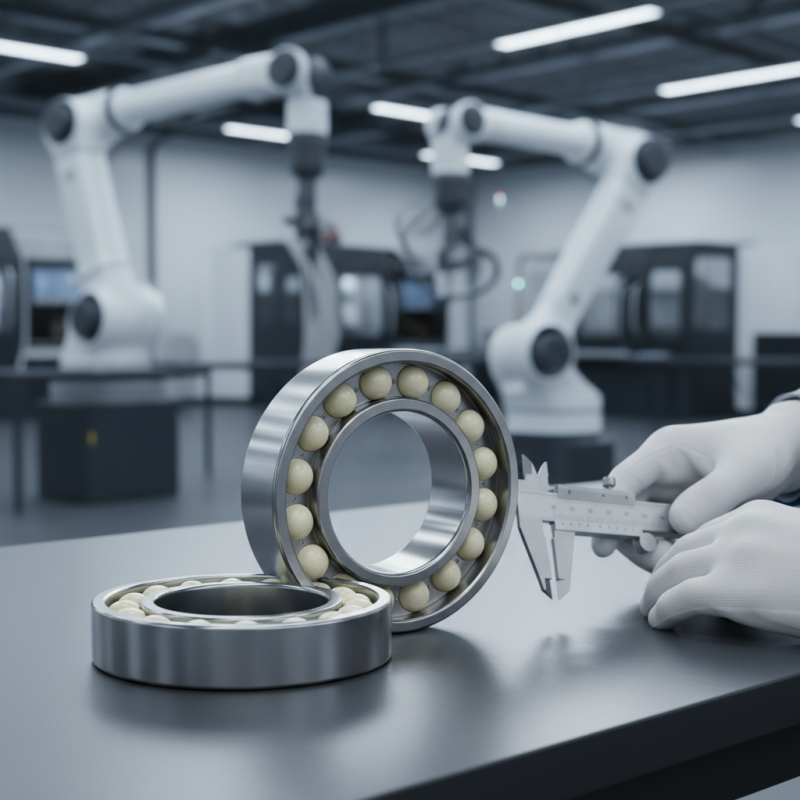
Ceramic hybrid bearings combine ceramic materials with traditional steel components. This mix allows for advanced performance in many applications. The ceramic balls offer lower weight, higher corrosion resistance, and the ability to work well in extreme temperatures. According to the National Institute of Standards and Technology (NIST), ceramic materials can withstand temperatures above 1,200 degrees Celsius, far surpassing typical steel bearings.
In addition to thermal stability, ceramic hybrid bearings are known for their durability. They have a longer lifespan, which can reduce overall maintenance costs. A report by the International Organization for Standardization (ISO) indicates that ceramic bearings can last up to five times longer than their all-steel counterparts in specific environments. Their lower friction properties contribute to energy savings, which is vital in industries focused on sustainability.
However, there are caveats. The initial investment in ceramic hybrid bearings can be higher than traditional options. Not all applications require the specific advantages these bearings provide. Assessing the total cost of ownership is crucial. Many industries could benefit, but precise calculations and a deeper understanding are needed. Overall, the unique features of ceramic hybrid bearings cater to specific needs that not every supplier may address effectively.
Key Benefits of Using Ceramic Materials in Bearings
Ceramic materials have increasingly become popular in the bearing industry. They offer distinct advantages over traditional materials. One significant benefit is their lightweight nature. This characteristic allows for easier handling and reduced overall weight in machinery. When machinery is lighter, efficiency improves, often leading to lower energy consumption.
Additionally, ceramic materials withstand higher temperatures. This property is particularly useful in applications facing extreme thermal conditions. They resist thermal expansion, allowing for greater stability under varying temperatures. However, it is essential to consider their brittleness. While they provide strength, improper handling can lead to cracks or damage.
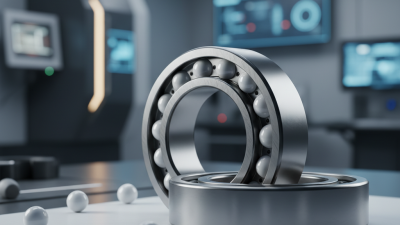
Ceramic hybrid bearings combine the best of both worlds. They often feature ceramic balls with steel races. This design capitalizes on the strengths of both materials. This combination improves wear resistance and minimizes friction. However, the initial cost can be a consideration for some. The long-term benefits often outweigh this upfront investment. Exploring the advantages of ceramic materials can help industries make informed decisions about their bearing choices.
Top 10 Advantages of Choosing a Ceramic Hybrid Bearings Supplier
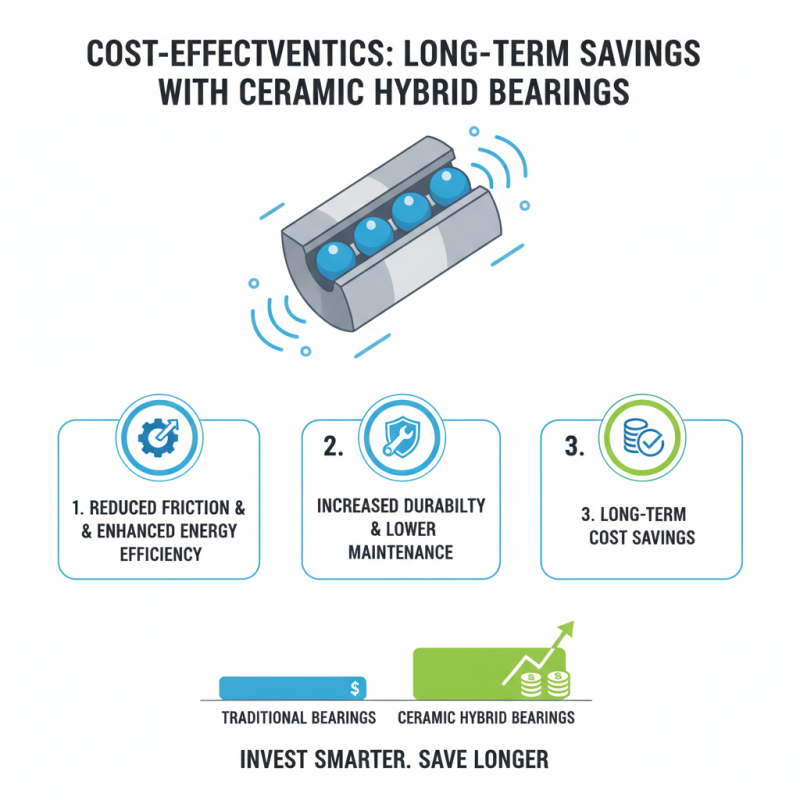
Cost-Effectiveness: Long-Term Savings with Ceramic Hybrid Bearings
When considering ceramic hybrid bearings, their long-term cost-effectiveness stands out. These bearings combine ceramic balls with traditional steel races. This design greatly reduces friction. Consequently, they enhance energy efficiency. Over time, users notice lower maintenance costs due to their durability.
Tip: Perform regular assessments to track the performance and longevity of your bearings. This helps in realizing their savings potential.
Ceramic hybrid bearings also resist corrosion and wear. This gives them a longer lifespan, reducing the need for replacements. Businesses benefit from decreased downtime and increased productivity as these bearings deliver reliable performance.
Tip: Remember to consult with experts about the specific applications of these bearings. Proper guidance can maximize the advantages.
Despite these benefits, some may face challenges adapting to new materials. It's crucial to stay informed about the latest technologies. Experimentation and training may be necessary to realize the full potential of ceramic hybrid bearings.
Enhanced Performance and Durability of Ceramic Hybrid Bearings
Ceramic hybrid bearings offer a remarkable combination of materials that enhance performance and durability. These bearings integrate ceramic balls with steel rings, providing unique benefits over traditional all-steel designs. The ceramic component significantly reduces friction, leading to higher efficiency in mechanical systems. Consequently, machines operate with less energy consumption, which is vital for both cost-saving and environmental sustainability.
The durability of ceramic hybrid bearings is particularly noteworthy. They exhibit exceptional resistance to wear, corrosion, and extreme temperatures. This resilience makes them suitable for various industrial applications, from automotive to aerospace. However, finding the right supplier is crucial. A reliable partner ensures high-quality materials and continuous support. You want a team that understands the complexities of these components.
Yet, even with these advantages, not all ceramic hybrid bearings perform equally. It's important to reflect on specific application needs. Some might require specialized designs or tolerances. Working with an experienced supplier who knows the nuances can prevent future performance issues. Investing time in choosing the right bearing often pays off in operational efficiency and longevity.
Top 10 Advantages of Choosing a Ceramic Hybrid Bearings Supplier - Enhanced Performance and Durability of Ceramic Hybrid Bearings
| Advantage |
Description |
Benefit |
| Reduced Friction |
Ceramic materials create lower friction compared to steel. |
Improved efficiency and less energy loss. |
| Higher Load Capacity |
Ceramic hybrid bearings can support heavier loads. |
Longer service life under stress conditions. |
| Corrosion Resistance |
Resistant to various corrosive substances. |
Ideal for harsh environments. |
| Low Thermal Expansion |
Minimal changes in dimensions with temperature variations. |
Stable performance across temperature changes. |
| Lightweight |
Lighter than traditional steel bearings. |
Helps reduce overall system weight. |
| Reduced Noise |
Operate quieter than standard materials. |
Improved user comfort and product functionality. |
| Vibration Damping |
Absorb vibrations effectively. |
Enhanced stability and performance. |
| Longer Life Span |
Experience less wear and tear over time. |
Reduced replacement and maintenance costs. |
| Versatile Applications |
Suitable for a wide range of industries. |
Increased adaptability to various tasks. |
Factors to Consider When Choosing a Supplier for Ceramic Bearings
When selecting a supplier for ceramic hybrid bearings, several critical factors come into play. The reliability of the supplier is paramount. According to a report by the International Journal of Advanced Manufacturing Technology, suppliers with established track records and certifications often produce higher quality components. This can mitigate risks associated with product failure. Checking trade certifications and quality management systems can provide insights into their operational standards.
Another vital consideration is the supplier's technical expertise. A supplier with in-depth knowledge of ceramic hybrid bearings can offer better support and customization options. Research from the Journal of Materials Science shows that suppliers who invest in R&D are more likely to innovate and provide advanced solutions. Their experience often translates into better product performance and longevity, which can be crucial in industries relying on precision engineering.
Price is important but should not be the sole deciding factor. A lower price may indicate inferior quality materials. This can lead to higher long-term costs due to replacements and downtime. The market for ceramic bearings is projected to grow by 6% annually, indicating rising demand. This growth challenges suppliers to maintain high standards while staying competitive. Assessing reviews and testimonials can offer insights into the experiences of other clients, shaping a more informed decision.