Why is Bearing Anti Rust Treatment Technology Essential for Longevity?
In the world of precision machinery, the importance of Bearing Anti-Rust Treatment Technology cannot be overstated. According to a recent report by the Machinery Reliability Institute, corrosion-related failures account for nearly 30% of all bearing failures. These figures highlight the critical need for effective anti-rust solutions in enhancing the lifespan of bearings.
Expert Dr. Emily Chen, a leading authority in bearing technologies, states, "Without proper anti-rust treatment, even high-quality bearings can succumb to rust, which leads to significant downtime." This blunt reality underscores a crucial industry challenge. Bearings exposed to moisture and harsh environments risk premature failure, ultimately leading to financial losses for manufacturers.
Every year, industries face billions in repair costs due to rust-related issues. Implementing Bearing Anti-Rust Treatment Technology not only mitigates these risks but also boosts efficiency. However, many manufacturers still overlook this preventive measure, putting their operations in jeopardy. The industry needs to reflect on these choices to ensure longer-lasting and more reliable machinery.
The Importance of Rust Prevention in Bearing Longevity
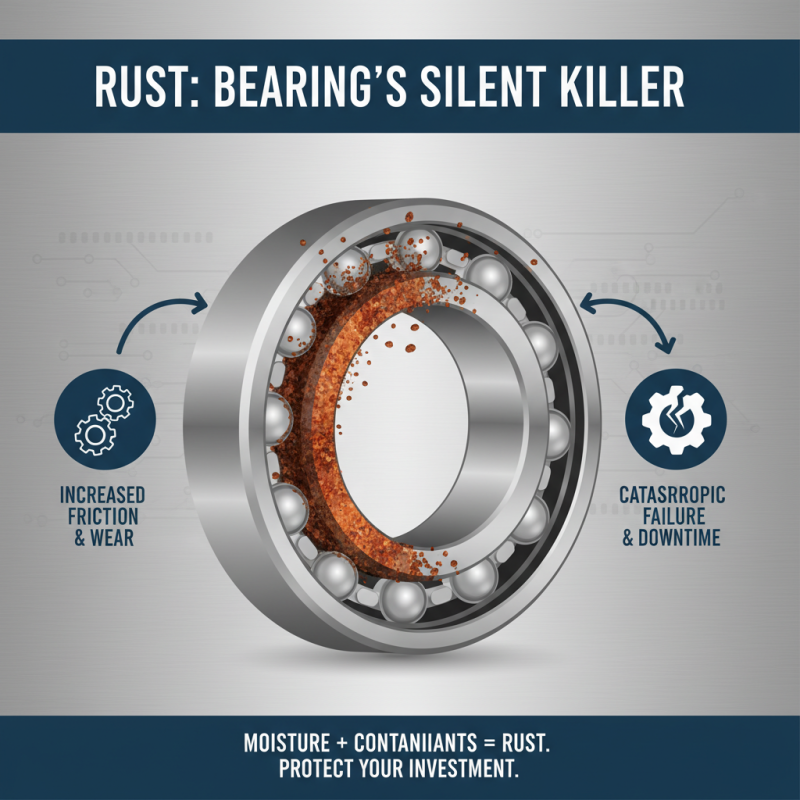
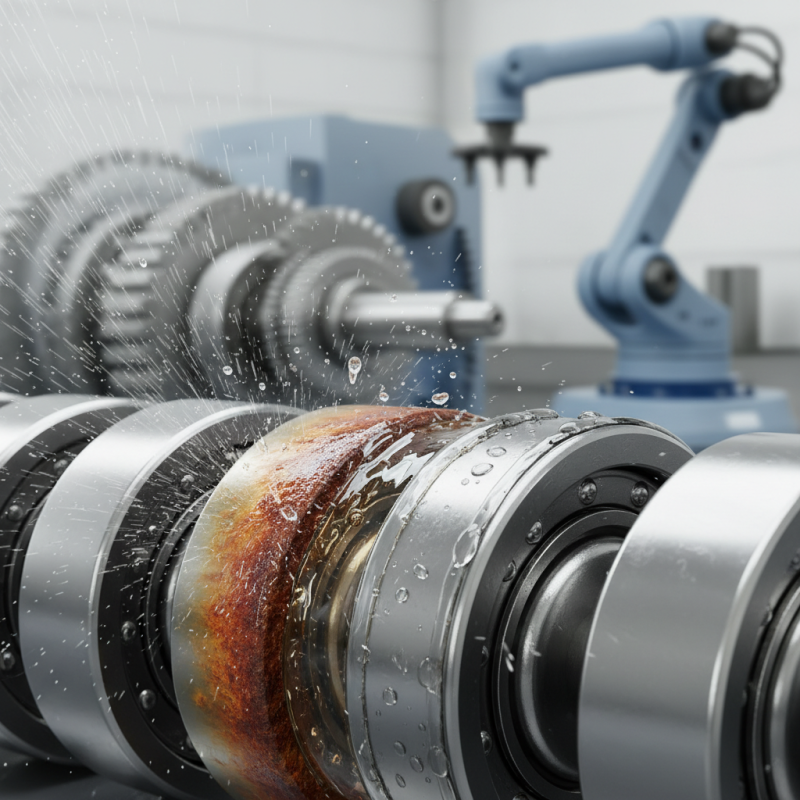
Rust can dramatically shorten the lifespan of bearings. Rust formation leads to increased friction and wear. A 2022 study indicated that nearly 30% of bearing failures resulted from corrosion. This data emphasizes the need for robust anti-rust treatment technology.
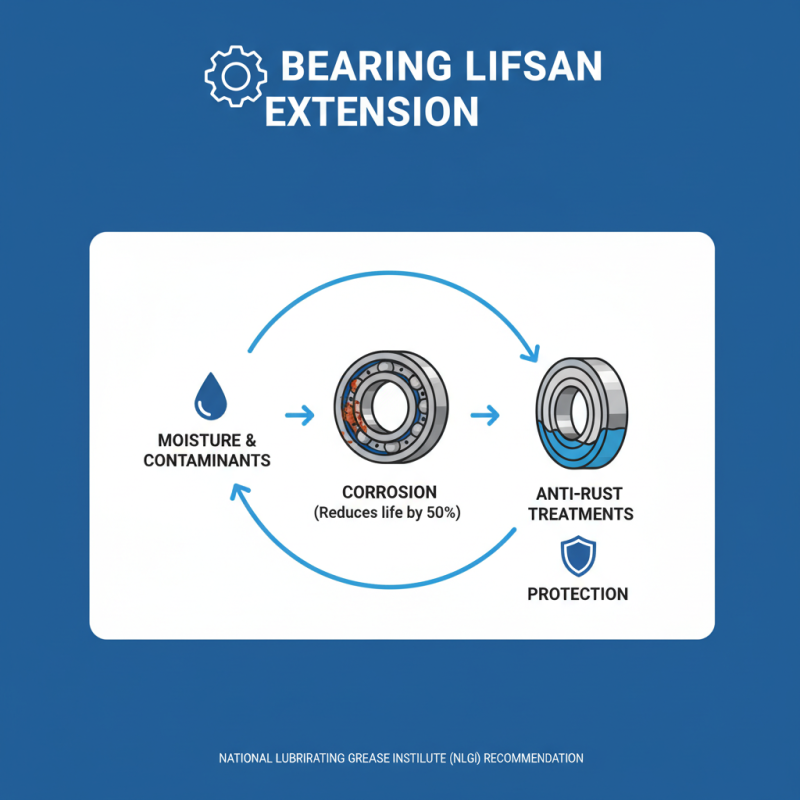
Implementing effective rust prevention methods is crucial. Low-quality bearings may corrode faster, leading to frequent replacements. An analysis revealed that treating bearings with anti-corrosive coatings can extend their life by up to 50%. Such treatments form a protective barrier that resists moisture and contaminants.
Yet, not all treatment options are perfect. Some coatings can wear off with time, losing their effectiveness. Regular maintenance remains essential to ensure that the treatments retain their protective qualities. Organizations should reflect on their processes and invest in better solutions for their bearings. The cost of prevention is always less than the cost of failure.
Importance of Rust Prevention in Bearing Longevity
This chart highlights the significant difference in bearing longevity between those treated with anti-rust technology and those without it over a span of five years. Effective rust prevention can enhance the lifespan and reliability of bearings significantly.
Understanding the Mechanisms of Rust Formation in Bearings
Rust formation in bearings is a significant issue that can impact their performance and longevity. It begins with exposure to moisture, contaminants, and oxygen. When these elements combine, they create electrochemical reactions, leading to oxidation of the metal. Studies show that about 30% of bearing failures are linked to corrosion. This highlights the importance of understanding rust mechanisms.
Preventing rust involves implementing effective treatments. The industry reports indicate that anti-rust coatings can reduce corrosion rates by up to 90%. These treatments act as barriers, minimizing moisture contact. Yet, some coatings may not adhere properly. This leads to premature failure. Regular inspections and maintenance can catch these issues early. Choosing the right lubrication also plays a key role. It can protect against rust while ensuring smooth operation.
Despite advancements in anti-rust technology, challenges remain. Not every method is universally effective for all environments. Harsh conditions can wear down protective layers. Furthermore, cost considerations may lead to inadequate protective measures. Professionals recommend strategic planning to ensure longevity and reliability in bearing operation. Focused efforts on both understanding and mitigating rust can lead to improved performance and reduced downtime.
Different Anti-Rust Treatment Technologies Available for Bearings
Bearings are crucial components in various machinery. They support loads and allow smooth movement. However, rust can severely impact their performance and lifespan. Statistics indicate that over 40% of premature bearing failures are due to corrosion. This highlights the importance of effective anti-rust treatment.
Several anti-rust treatment technologies exist. One common method is electroplating. This procedure involves applying a metal coating to the bearing surface. It creates a protective barrier that resists rust. Another technology is the application of rust-inhibiting oils. These oils provide a thin film that prevents moisture and oxygen contact. Recent studies show that bearings treated with anti-rust oil last up to 50% longer than untreated ones.
Yet, these methods are not flawless. Electroplating can lead to irregular surfaces, affecting bearing performance. In some cases, oil-based treatments may require frequent reapplication. These challenges necessitate ongoing research in the field. New eco-friendly treatments, like nanotechnology coatings, are emerging. They aim to minimize the drawbacks of traditional methods while enhancing rust resistance. Continuing to refine anti-rust technologies will ensure that bearings remain reliable in demanding environments.
Evaluating the Impact of Rust on Bearing Functionality and Lifespan
Rust is a significant threat to the functionality and lifespan of bearings. When moisture or contaminants penetrate, they initiate the rusting process. This gradual deterioration can lead to a range of issues, including increased friction and wear. In a worst-case scenario, rust can completely seize a bearing, leading to costly failures and equipment downtime.
The need for anti-rust treatment is clear. Without proper protection, bearings may corrode even in less-than-harsh environments. This deterioration may go unnoticed until significant damage occurs. Regular inspections and maintenance can help, but they aren't foolproof. Even the smallest rust spots can signal a larger problem lurking beneath the surface.
Employing anti-rust treatment technology is crucial for ensuring longevity. It provides a barrier against moisture and contaminants. However, this technology isn't perfect. Some treatments wear off over time or may be insufficient against extreme conditions. It's essential to evaluate the environment in which the bearings operate. Regular reapplication and updated protection methods can make a notable difference in bearing performance.