Bearing Life Extension Solutions for Global Buyers What Are They?
In today's industrial landscape, the demand for efficiency drives the need for innovative solutions. Bearing Life Extension Solutions have emerged as a vital focus for global buyers looking to enhance operational productivity. According to a recent report by the International Council on Mechanical Engineering, improper lubrication and contamination account for approximately 40% of bearing failures. Addressing these issues is crucial for extending the functional lifespan of bearings.
To combat this, industries are adopting advanced technologies. Monitoring systems, for instance, can predict bearing wear with up to 85% accuracy. This proactive approach not only reduces unexpected downtimes but also cuts operational costs significantly. Companies that invest in Bearing Life Extension Solutions can save an estimated 30% in maintenance expenses annually.
However, it's essential to acknowledge that implementing these solutions does come with its challenges. Many organizations face resistance to change and may lack the required expertise. This hesitance can hinder the potential benefits of employing new technologies. Ultimately, while Bearing Life Extension Solutions present significant opportunities, their successful integration requires careful consideration and strategic planning.
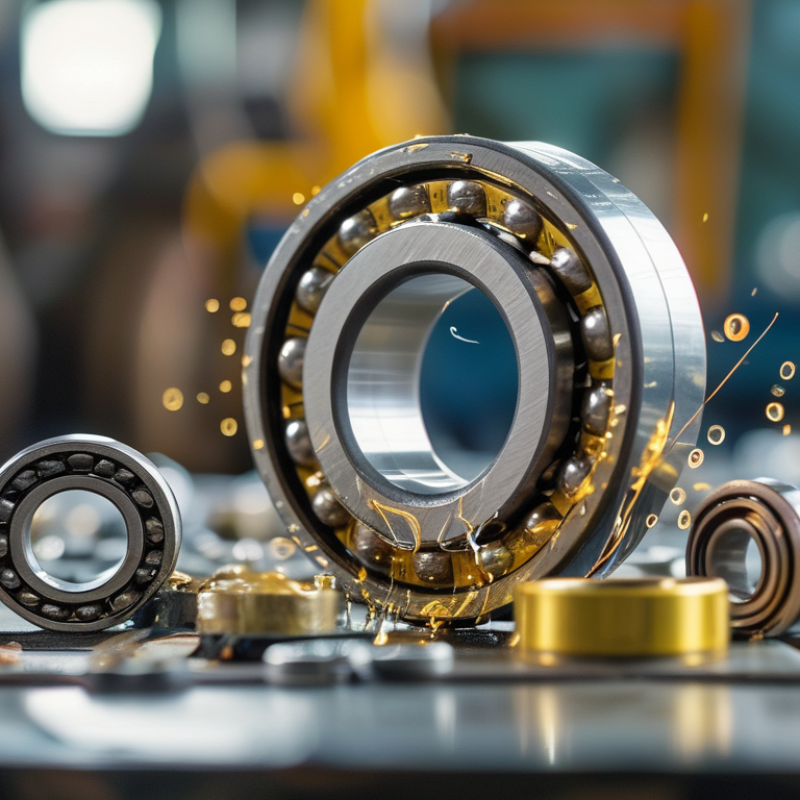
Bearing Life Extension Solutions: An Overview of Key Strategies
Bearing life extension solutions are essential for industries relying on machinery. Many companies seek ways to extend the lifespan of their bearings. This can significantly reduce costs and improve reliability. Implementing regular maintenance routines is one of the effective strategies. Simple checks can identify early signs of wear.
Timely interventions can prevent larger failures later.
Another key strategy involves using advanced materials. High-quality lubricants and improved coatings can enhance performance. These materials reduce friction and prevent corrosion. However, there are challenges in finding the right products. Compatibility with existing systems must be considered. The wrong choice can lead to more problems than solutions.
Monitoring technology plays a vital role as well. Sensors can provide real-time data on bearing conditions. This data helps in making informed decisions about maintenance. Nevertheless, investing in monitoring systems can be expensive. Companies often weigh the costs against the potential benefits. All these strategies emphasize the importance of a proactive approach in bearing care. This can lead to significant improvements in machinery performance and lifespan.
Importance of Bearing Maintenance and Monitoring in Extending Lifespan
Bearing maintenance is crucial for extending their lifespan. Regular monitoring can prevent unexpected failures, saving costs and downtime. Using vibration analysis and thermal imaging helps identify early signs of wear and tear. These technologies provide insights into bearing health, enhancing decision-making for maintenance.
Ignoring maintenance can lead to severe consequences. Bearings may fail suddenly, causing disruption in operations. Regular maintenance routines can sometimes seem tedious, but they are essential. Training staff to monitor bearing conditions is vital. This knowledge can help in recognizing potential issues before they escalate.
Effective maintenance strategies involve tracking operating conditions and performing assessments. Simple practices, such as lubrication management and cleanliness, make a difference. Small details matter, from the type of grease used to proper sealing. Each component in the bearing system must be consistently evaluated.
Case Studies: Successful Implementation of Life Extension Solutions
In various industries, bearing life extension solutions have proven effective. Case studies reveal how businesses significantly improved equipment performance. One such case involved a manufacturing plant facing frequent machine failures. The plant implemented an
innovative lubrication system that enhanced bearing life by over 30%.
Another notable example comes from the energy sector. A wind turbine operator struggled with unplanned downtimes. By introducing vibration monitoring technology, they identified early signs of bearing wear. This proactive approach reduced downtime by 25%, showcasing the effectiveness of data-driven strategies.
However, not every implementation is flawless. Some companies faced challenges during transitions. Miscommunication or inadequate training led to initial resistance. These experiences highlight the importance of comprehensive support and analysis before deploying new solutions. Reflecting on these challenges can lead to better strategies in future endeavors.
Technological Innovations in Bearing Life Extension Practices
Technological innovations are redefining bearing life extension practices. The implementation of advanced materials enhances durability. These materials resist wear and temperature fluctuations. As a result, they significantly prolong bearing life cycles.
Tips: Regularly track the operating conditions of your bearings. Look for changes in temperature or vibration. These can be early signs of wear.
Another innovation is the use of coatings. Specialized treatments enhance surface properties. They improve resistance to corrosion and friction. However, applying these coatings requires precision. If done incorrectly, they can weaken the bearing structure.
Tips: Ensure proper surface preparation before applying coatings. This step is vital for performance. Regularly review the latest coating technologies for better options.
Cost-Benefit Analysis of Bearing Life Extension Solutions in Industry
In the industrial sector, extending bearing life can significantly impact operational efficiency. An effective cost-benefit analysis reveals the value of implementing bearing life extension solutions. Industries invest in this approach to reduce downtime and maintenance costs. Extended bearing life means fewer replacements and lower overall expenses.
However, there are trade-offs. While some solutions may promise increased longevity, they might require initial investments. The key is to evaluate the return on investment over time. Decisions should factor in potential savings versus upfront costs. Organizations can often underestimate the impact of prolonged bearing life. The resulting reduced friction can also enhance energy efficiency, leading to extra cost savings.
Tips: Regularly monitor your bearings for signs of wear. Implementing predictive maintenance strategies can help catch issues early. Training staff on best practices can also improve bearing lifespan. Small adjustments can lead to larger savings, so consider all variables for a comprehensive analysis.