2026 Best Conveyor Belt Rollers How to Choose the Right Ones?
Choosing the right conveyor belt rollers is vital for efficient operations. These components play a crucial role in the transportation process. The wrong choice can lead to system failures and increased costs.
conveyor belt rollers come in various types and materials. Factors such as weight capacity, friction, and durability affect performance. For instance, steel rollers are sturdy but can be heavy. Plastic rollers are lighter and resistant to corrosion. Understanding the application is key to making the right selection.
Many overlook the importance of proper maintenance. Neglecting regular inspections can shorten the lifespan of conveyor belt rollers. Inadequate roller selection can lead to unexpected downtimes. Careful evaluation ensures efficiency and maximizes productivity. Always weigh options and reflect on past choices.
Understanding Conveyor Belt Rollers and Their Importance
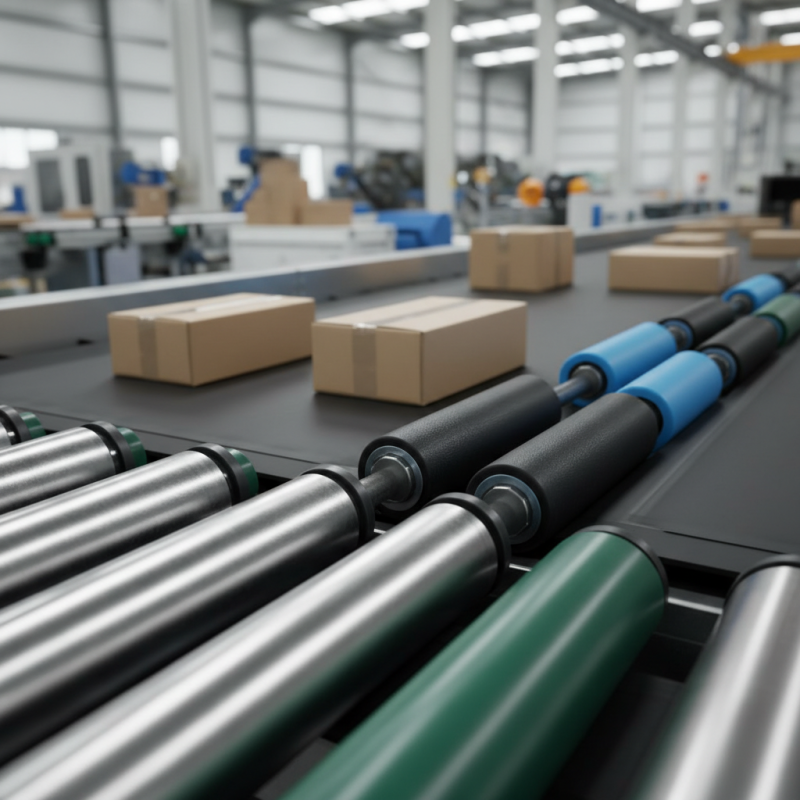
Conveyor belt rollers play a crucial role in material handling systems. These components support the belt and allow it to transport goods seamlessly. Without efficient rollers, operations can slow down significantly. They help reduce friction and ensure that the conveyor belt operates smoothly. This is important for maintaining productivity in any operational setting.
Choosing the right conveyor belt rollers is not always straightforward. There are various factors to consider, such as load capacity and material type. It's easy to overlook the specific needs of your conveyor system. A mismatch can lead to increased wear and tear, impacting performance. Sometimes, people focus too much on capacity and neglect roller alignment. This can also create issues over time.
Regular maintenance is essential for ensuring optimal performance. A worn-out roller can cause delays in production. Observing signs of wear and replacing them promptly is critical. Sometimes, even well-designed systems face unexpected breakdowns. Recognizing the importance of these components can help businesses stay efficient and reliable. Every detail matters in maintaining conveyor operations.
Types of Conveyor Belt Rollers Available in the Market
When choosing conveyor belt rollers, understanding the types available in the market is crucial. There are various categories, including smooth, grooved, and lagged rollers. Smooth rollers are versatile, suitable for standard applications. Grooved rollers help in belt tracking, reducing misalignment. Lagged rollers, with extra grip, excel in heavy-duty environments.
Industry reports indicate that the global conveyor roller market is growing. It is projected to reach $2 billion by 2025. This growth reflects increasing demand for efficient material handling solutions across various sectors. Notably, the mining and manufacturing sectors are leading contributors to this trend. However, there is often confusion about selecting the right type of roller for specific applications. Proper selection can greatly impact efficiency and maintenance needs.
A common oversight is not considering material composition. Steel rollers are durable, while plastic options offer lighter weights. Each material has its pros and cons. For instance, steel is long-lasting but can corrode without proper treatment. In contrast, plastic is resistant to rust but may not endure extreme loads. Evaluating these specifics is necessary for optimal performance and longevity.
Key Factors to Consider When Choosing Conveyor Belt Rollers
Choosing the right conveyor belt rollers can be challenging. Several key factors should guide your decision. First, consider the material of the rollers.
All have unique benefits. Steel is durable and long-lasting, but can be heavy. Plastic is lightweight and resistant to corrosion. Rubber offers excellent grip but may wear faster.
Another crucial factor is the
roller diameter. A larger diameter typically allows for better load distribution. It can help reduce wear on the belt. Ensure you measure the intended load requirements properly. Think about if you need a conveyor for light items or heavy machinery. An improper size can lead to increased maintenance costs.
Bearing type is also significant. There are several options, including
sealed and
unsealed bearings. Sealed bearings require less maintenance, which might save time. However, they could be less effective in extreme temperatures. Reflecting on these details can improve your selection process. Don't rush;
each choice shapes your conveyor system's performance. Take your time.
Evaluating Conveyor Belt Roller Material Durability and Performance
When evaluating conveyor belt roller material, durability and performance are key. Different materials offer varying levels of strength, wear resistance, and weight. For instance, steel rollers are renowned for their strength. They often last longer under heavy loads. However, they can add significant weight to a system. In contrast, plastic rollers are lighter and resist corrosion. They are less ideal for heavy applications but shine in environments where weight is a factor.
Data shows that nearly 40% of roller failures are due to material fatigue. This highlights the importance of selecting the right material. A report by the Conveyor Equipment Manufacturers Association indicated that improper material could lead to unplanned downtime. Such downtime can cost companies thousands of dollars per hour. On the flip side, higher-quality materials may have a greater upfront cost but often pay off in the long term through reduced maintenance and increased uptime.
Additionally, the environmental conditions play a crucial role in performance. For instance, rollers exposed to moisture may corrode quicker than expected. This situation often requires reflection on maintenance schedules and material choices. Understanding the specific demands of your application will help guide better decisions. It’s not always clear-cut, and weighing the pros and cons is vital.
Best Practices for Maintaining Conveyor Belt Rollers for Longevity
Maintaining conveyor belt rollers is crucial for their longevity. Regular inspections help identify wear and tear. According to industry reports, up to 70% of conveyor system failures result from neglected maintenance. A small issue can escalate quickly. Ignoring strange noises or vibrations can be detrimental.
Lubrication is key. Proper lubrication reduces friction and prevents overheating. Use the right type of lubricant for specific materials. Over-lubrication can also cause problems, leading to excess buildup. Train staff on best practices for lubrication. They should know when and how much to apply.
Keep the rollers clean. Dust and debris accumulate over time. This can interfere with proper functioning. Periodic cleaning minimizes risks. A clean setup ensures peak performance. Employing simple checks can prevent costly repairs. Yet often, these crucial steps are overlooked. Encourage a culture of maintenance awareness.
2026 Best Conveyor Belt Rollers Performance Comparison
This chart illustrates the performance of various conveyor belt roller materials based on load capacity, wear resistance, and cost-effectiveness for selecting the right roller.