10 Best Heavy Duty Bearings for Mining Machinery Explained?
In the demanding world of mining machinery, reliability is paramount. The harsh conditions require robust components that can endure stress and wear. Mining Machinery Heavy-Duty Bearings play a critical role in ensuring equipment longevity and performance. According to industry reports, the mining sector loses millions annually due to equipment failures. This reinforces the need for dependable bearings that can withstand high loads and extreme environments.
Heavy-duty bearings are engineered to meet rigorous specifications. They must resist corrosion, handle extreme temperatures, and manage vibrations effectively. Research indicates that using the right bearings can increase machinery uptime by 20%. However, not all heavy-duty bearings are created equal. Selecting the most suitable ones involves understanding the specific requirements of various mining applications.
Despite advancements, challenges persist. Some bearings may not perform as expected under extreme conditions, leading to premature failures. Regular maintenance and careful selection are essential to avoid costly downtime. This article will explore the 10 best heavy-duty bearings for mining machinery, highlighting their features and applications. Understanding these options can lead to more informed decisions, ultimately improving operational efficiency.
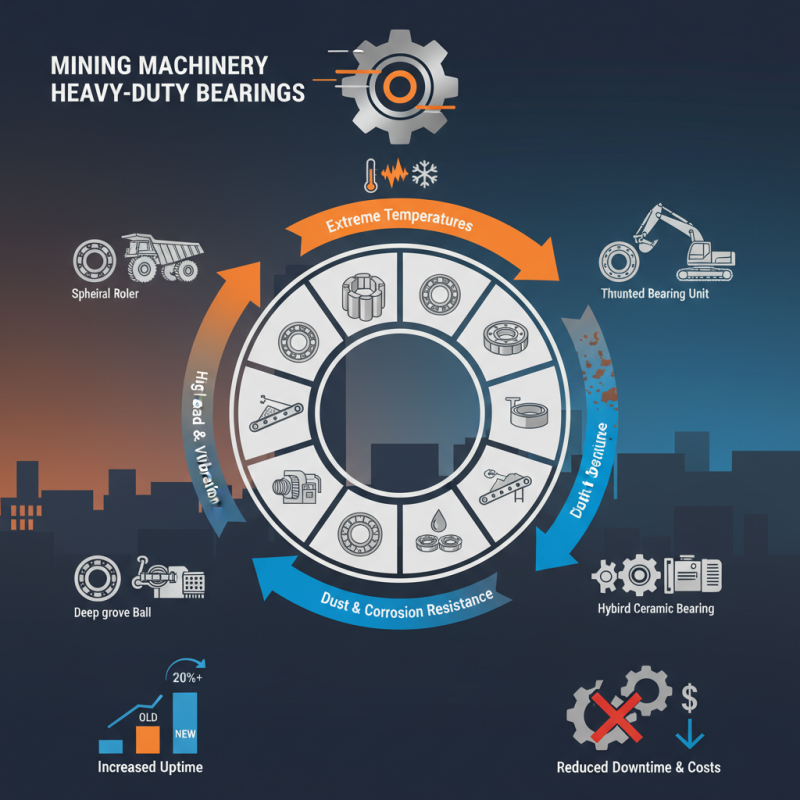
Understanding Heavy Duty Bearings in Mining Applications
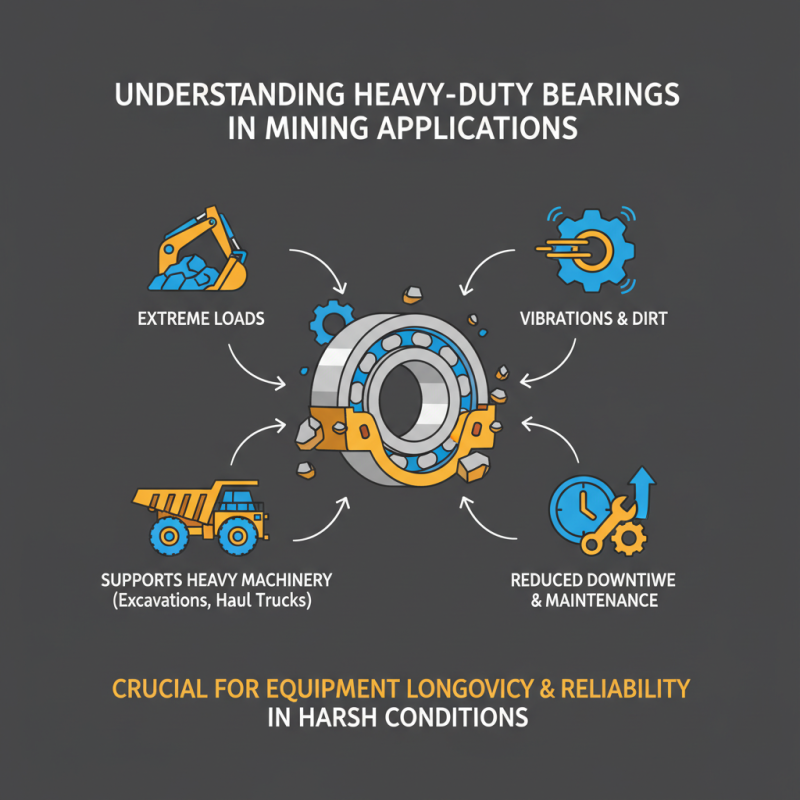
Heavy duty bearings are crucial in mining applications. They endure extreme loads, dirt, and vibrations. Their design ensures they can operate under harsh conditions. These bearings support heavy machinery like excavators and haul trucks. The longevity of equipment hinges on these components. They play a vital role in reducing downtime and maintenance costs.
Mining operations pose unique challenges. Dust and debris can compromise bearing performance. High temperatures further affect their lifespan. Selecting the right type of heavy duty bearing is essential. Consider factors like load capacity and sealing methods. Not all bearings are suitable for every application. Precision in these choices can enhance operational efficiency. Sometimes, the wrong selection leads to unexpected failures.
In this field, experience matters. Engineers and technicians often debate the best choices. Not every solution is perfect. Regular maintenance helps but can be overlooked. Proper lubrication is sometimes neglected, which impacts bearing life. Observational insights can lead to better practices. A hands-on approach nurtures a deeper understanding of these critical components.
Key Features of Heavy Duty Bearings for Optimal Performance
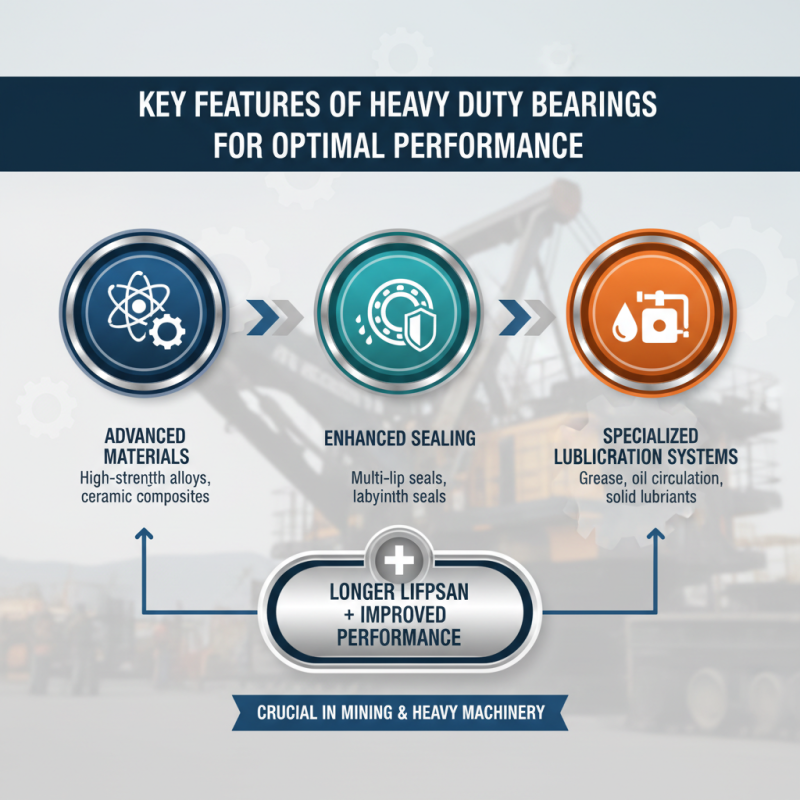
Heavy duty bearings are crucial in mining machinery. Their design must withstand high loads and harsh conditions. Key features often include advanced materials, enhanced sealing, and specialized lubrication systems. These components help ensure longer lifespans and improve performance.
Material selection plays a significant role. Bearings made from high-strength steel or ceramics resist wear and corrosion. The right sealing mechanisms keep out dirt and moisture, which can lead to failure. Effective lubrication is vital, as it reduces friction and heat. Some designs also feature self-aligning capabilities. This adjustment helps maintain alignment despite equipment vibrations.
While these features are impressive, they are not without challenges. Misalignment or improper installation can still occur. Regular maintenance is essential to ensure optimal performance. Understanding these aspects can lead to better machinery operation and longevity. Investing time in proper selection and installation is invaluable in the mining sector.
Top Manufacturers and Brands of Heavy Duty Bearings
In the mining industry, heavy-duty bearings play a crucial role in ensuring the reliable operation of machinery. Key manufacturers focus on producing bearings that can withstand harsh conditions, such as extreme temperatures and heavy loads. According to industry reports, bearings in mining equipment must support operating hours of 20,000 hours or more under demanding environments. This highlights the need for innovations in bearing materials and designs.
Leading brands emphasize advanced engineering approaches, ensuring high durability and performance. They utilize specialized materials like high-carbon chrome steel, which enhances resistance to wear. Research indicates that proper lubrication significantly impacts bearing lifespan. However, while many companies invest in lubrication systems, improper maintenance still occurs, leading to failures.
Durability is not the only concern; reliability is equally important. Studies reveal that 30% of bearing failures can be traced back to installation errors or misalignment. Regular training for personnel on assembly techniques is critical. This underscores a larger issue within the industry - despite advancements, there remains a need for improvement in operational practices and awareness of bearing maintenance.
Top Heavy Duty Bearings Performance in Mining Machinery
Maintenance and Care Tips for Mining Machinery Bearings
Maintaining mining machinery bearings is essential for optimal performance. Proper maintenance can extend the life of these components significantly. Regular inspections should be scheduled. Look for signs of wear or damage. Pay attention to unusual noises; they can be indicators of issues.
Lubrication is crucial. Use the right type of lubricant for your environment. Too much or too little lubricant can lead to failures. Be mindful of grease contamination. Dust and debris can compromise lubrication effectiveness. Keeping bearings clean helps minimize wear.
Implementing a routine maintenance schedule is vital. This should include checking alignment and fit. Over time, bearings may loosen or misalign. Ensuring proper installation will help prevent these problems. Always keep records of maintenance work. This documentation can provide insights into performance trends.
Common Challenges and Solutions in Bearing Selection for Mining
When selecting bearings for mining machinery, understanding common challenges is crucial. Mining environments are harsh, exposing components to dust, moisture, and extreme temperatures. These factors can accelerate wear and lead to bearing failure. The right bearing design must consider these conditions to maintain reliability and efficiency.
Another key challenge is the load conditions. Mining machinery often operates under heavy loads and impacts. Bearings need to have the capacity to handle these stresses without compromising performance. Selecting the wrong type can result in premature failure, increasing maintenance costs and downtime. Evaluating load ratings and material strength helps in making informed decisions.
It's essential to prioritize lubrication systems as well. Many failures stem from inadequate lubrication. Regular maintenance schedules are vital to ensure bearings receive the proper amount of lubricant. Ignoring this can lead to decreased performance and unexpected breakdowns. Balancing the cost of high-quality bearings with the potential risks of failure requires careful consideration and reflection.
10 Best Heavy Duty Bearings for Mining Machinery Explained
| Bearing Type |
Load Capacity (kg) |
Operating Temperature (°C) |
Speed Rating (RPM) |
Common Applications |
Challenges |
Solutions |
| Spherical Roller Bearing |
10000 |
-30 to 120 |
800 |
Crushers, Conveyors |
Misalignment |
Use of self-aligning designs |
| Tapered Roller Bearing |
8000 |
-20 to 150 |
1000 |
Mining Excavators |
Heavy load |
Proper lubrication |
| Deep Groove Ball Bearing |
5000 |
-40 to 120 |
2000 |
Loaders, Generators |
Contamination |
Sealed units |
| Split Roller Bearing |
12000 |
-20 to 100 |
600 |
Gearboxes, Fans |
Difficult installation |
Modular designs |
| Cylindrical Roller Bearing |
7000 |
-30 to 130 |
900 |
Feeders, Heavy-duty machinery |
High radial loads |
Optimized internal design |