What is the Best One-Stop Bearing Procurement Platform?
In today's fast-paced industrial landscape, finding the right components is essential. Bearings play a crucial role in machinery efficiency and longevity. The quest for quality bearing solutions often leads to numerous suppliers with varying standards. This is where a One-Stop Bearing Procurement Platform becomes vital.
A comprehensive platform streamlines the purchasing process, offering diverse options in one place. Businesses can save time and reduce costs, making operations smoother. However, not all platforms are created equal. Some may lack quality control, leading to subpar products. It’s important to scrutinize reviews and ratings before choosing a supplier.
An ideal One-Stop Bearing Procurement Platform should offer transparent sourcing and reliable customer support. Avoiding common pitfalls is critical for success. The journey towards quality procurement requires careful consideration and informed decisions. Balancing convenience with quality can make all the difference in operational success.

What Features Define a Leading Bearing Procurement Platform?
When considering a one-stop bearing procurement platform, several key features stand out. A comprehensive inventory is crucial. It's important to offer a wide array of bearing types, including ball, roller, and thrust bearings. According to industry reports, over 60% of procurement challenges arise from limited inventory. This limitation can delay projects and increase costs.
User-friendly interfaces are also vital. A streamlined design enables easier navigation and quicker searches for specific products. Platforms that incorporate intelligent search filters can enhance user experience significantly. Recent studies indicated that users prefer platforms that facilitate efficient procurement over those with complex navigation.
Tips: Always assess customer reviews. Pay attention to feedback regarding product availability and service response times. Also, consider platforms that provide technical support or resources to help in decision-making.
Integration with supply chain management tools is another feature to consider. This allows for seamless tracking and inventory management. However, it’s crucial to ensure that such integrations function properly. Many users report frustration due to integration failures. Understanding these issues can guide you in making more informed choices about your procurement platform.
Market Trends in Bearing Procurement: Key Statistics and Insights
In recent years, the bearing procurement landscape has undergone significant changes. The demand for high-quality bearings has surged, driven by industrial automation and advancements in technology. A report from a leading market research firm indicated that the global bearing market is expected to reach $110 billion by 2025, growing at a compound annual growth rate (CAGR) of 5.5%. This growth highlights the increasing reliance on bearings across diverse industries.
However, procurement challenges persist. Many companies struggle with sourcing consistent quality bearings at competitive prices. This has led to a greater focus on optimizing supply chains. An industry analysis revealed that 30% of firms report difficulties in managing supplier relationships, impacting their overall efficiency. Moreover, recent trends show that 40% of procurement managers are adopting digital platforms for better traceability and decision-making. While these platforms promise convenience, they sometimes lack the personalized touch needed in complex procurement processes.
Additionally, insights from various studies suggest that about 25% of bearing products face quality complaints. This inconsistency can tarnish reputations and increase costs. Companies must reflect on their procurement strategies and prioritize partnerships with reliable suppliers. Investing in robust procurement platforms could streamline processes, yet they must ensure these platforms maintain rigorous quality standards.
Comparative Analysis of Top Bearing Procurement Platforms in 2023
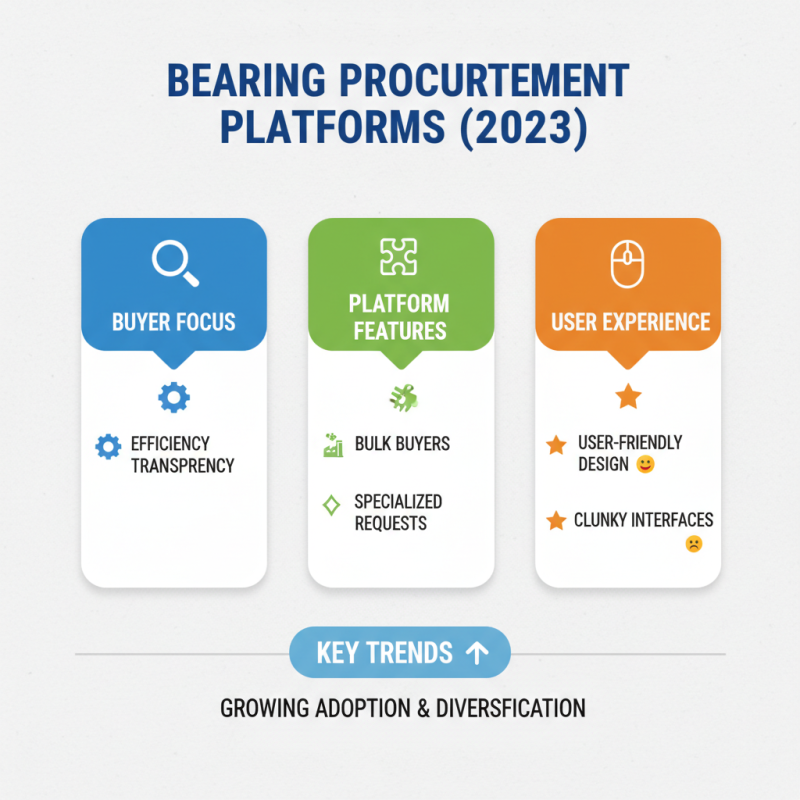
In 2023, bearing procurement platforms have gained tremendous attention. Buyers are looking for efficiency and transparency. Each platform offers unique features, but not all meet every need. Some cater to bulk buyers, while others focus on specialized requests. The design of the platform plays a significant role. User-friendly interfaces can greatly enhance the shopping experience. However, clunky designs can frustrate users.
Price comparison tools are essential for buyers. Some platforms provide comprehensive data, while others offer limited insights. It’s important to weigh the pros and cons. A platform may excel in customer service yet fall short on pricing transparency. Real-life testimonials often highlight this disparity. Users should analyze reviews critically to form an informed choice.
Shipping times also vary across platforms. Delays can impact production schedules. Buyers should consider logistics before making decisions. It’s wise to double-check delivery options and costs. Additionally, not all platforms allow easy returns. This aspect can be overlooked but is crucial for business operations. Reflecting on these factors can lead to better procurement strategies.
Evaluating Supplier Reliability and Quality in Bearing Procurement
When evaluating suppliers for bearing procurement, reliability and quality are crucial. It's essential to assess a supplier's track record. Look for reviews or testimonials from previous clients. This can reveal their strengths and weaknesses. Sometimes, suppliers may look great on paper but falter in actual delivery.
Quality checks are also vital. Ask for certifications or quality assurance processes they follow. A good supplier should be transparent about their practices. If they hesitate to share, that might be a red flag. Union of quality materials and skilled craftsmanship marks a dependable supplier. However, don't ignore occasional complaints. They can be a learning point for potential buyers.
The procurement process can often be daunting. It requires thorough research and sometimes a leap of faith. Be willing to learn from both good and bad experiences. Suppliers may not be perfect, but with diligent evaluation, you can find a reliable partner. Remember to stay vigilant and always open to refining your supplier selection criteria.
Cost Efficiency: How to Optimize Bearing Purchases Through One-Stop Platforms
Optimizing bearing purchases through one-stop platforms can lead to significant cost efficiency. According to a report by the Research and Markets, manufacturers can save up to 30% on procurement costs by using integrated platforms. These platforms simplify the purchasing process. They offer extensive catalogs, price comparisons, and direct supplier contacts, enhancing decision-making.
However, not all one-stop platforms are equal. Some may lack comprehensive inventory or suffer from inconsistent pricing. It's crucial to evaluate multiple sources before making a commitment. Cost analysis tools are essential. They can help identify areas for potential savings.
In a competitive landscape, quick access to data can make a big difference. A study indicated that businesses using data-driven procurement strategies achieve 15% better financial performance. Still, over-reliance on a single platform might limit options. Ensure regular reviews of purchase agreements and supplier performances. This reflection can reveal hidden costs and inefficient practices.
Cost Efficiency of Bearing Purchases Through One-Stop Platforms