How to Buy Self Aligning Roller Bearings Factory Direct 2026
Buying Self-Aligning Roller Bearings Factory Direct in 2026 can reduce purchasing layers, but price alone should never lead the decision. A bearing may look identical in a product photograph. Its steel grade, heat treatment, cage design, and internal clearance can differ significantly. Those details decide whether it survives vibration, misalignment, dust, and continuous loading.
John Timken, a respected figure in the bearing industry, offered a principle that still matters: “Quality is the best business plan.” That statement is practical here. A reliable factory should provide traceable material certificates, dimensional reports, load ratings, inspection records, and clear warranty terms. Ask for samples before placing a large order. Hold one bearing in your hand. Check its markings, finish, rotation, and packaging. Small clues matter.
Factory-direct purchasing also requires technical judgment. Confirm the shaft diameter, housing fit, operating speed, radial load, axial load, temperature, and lubrication method. Share the actual application, not only a catalog number. A supplier that asks careful questions may be safer than one offering the fastest quotation.
There is an uncomfortable truth. Direct sourcing is not automatically cheaper. Tooling charges, minimum order quantities, shipping delays, and inconsistent batches can erase the savings. I have seen buyers focus on unit cost and overlook downtime. That mistake is easy to repeat.
This guide explains how to evaluate Self-Aligning Roller Bearings Factory Direct suppliers in 2026. It examines factory capability, quality evidence, customization, communication, delivery risk, and total operating cost. The goal is simple: purchase bearings that align reliably, perform consistently, and remain defensible under real working conditions.
What Self-Aligning Roller Bearings Are and When to Use Them
Self-aligning roller bearings use two rows of rollers and a spherical raceway. This design allows the inner ring to adjust against housing misalignment. It suits long shafts, heavy radial loads, and moderate axial forces. Conveyors, fans, crushers, and paper machines often face these conditions.
The U.S. Department of Energy reports that bearing problems can cause about 50% of industrial motor failures. That figure is a warning, not a guarantee. Misalignment, contamination, and poor lubrication still decide actual service life. ISO 281 calculates bearing rating life through load and fatigue data. It does not fully predict vibration, installation errors, or sudden contamination. In my experience, buyers often focus on load capacity first. That is not always enough.
Tips:
Before ordering factory direct in 2026, measure shaft diameter, housing bore, operating speed, load direction, and temperature. Ask for material certificates, dimensional inspection records, ISO 281 life calculations, and clearance data. Confirm sealing and lubrication requirements. Request a sample before committing to volume. A lower unit price can become expensive after premature replacement. Keep a small tolerance margin; real equipment is rarely as clean as the drawing.
How to Define Your Bearing Requirements Before Buying Factory Direct
Before buying self-aligning roller bearings factory direct, define the operating conditions clearly.
Record shaft diameter, housing size, radial load, axial load, speed, and expected misalignment. These details prevent a supplier from recommending a bearing by size alone. A small mismatch can create heat, vibration, and early failure.
Describe the real working environment. Include dust, moisture, temperature changes, shock loads, and daily running hours.
Select the lubrication method before discussing price. Grease and oil systems require different clearances and maintenance plans. Seals may help in dirty areas, while open bearings can suit controlled equipment. Check whether the bearing must tolerate continuous misalignment or only installation errors.
Factory communication should include drawings, tolerance requirements, material expectations, and inspection documents. Ask for dimensional reports, hardness results, load ratings, and traceability records. Request sample units before approving a large order.
I have seen buyers focus on unit cost and overlook installation tools, grease, and replacement time. That approach looked efficient, but the total cost became higher. Recheck the load calculation with real operating data, not an ideal estimate. Even experienced engineers miss short shock loads. Ask the factory to explain its test method, acceptance limits, packaging protection, and storage guidance. Clear requirements make direct purchasing more reliable.
How to Identify and Compare Reliable Self-Aligning Roller Bearing Factories
Buying self-aligning roller bearings factory direct in 2026 requires more than comparing prices. A reliable factory should explain its steel grade, heat-treatment process, internal clearance, and sealing options. Ask for material certificates and inspection records. Vague answers are warning signs.
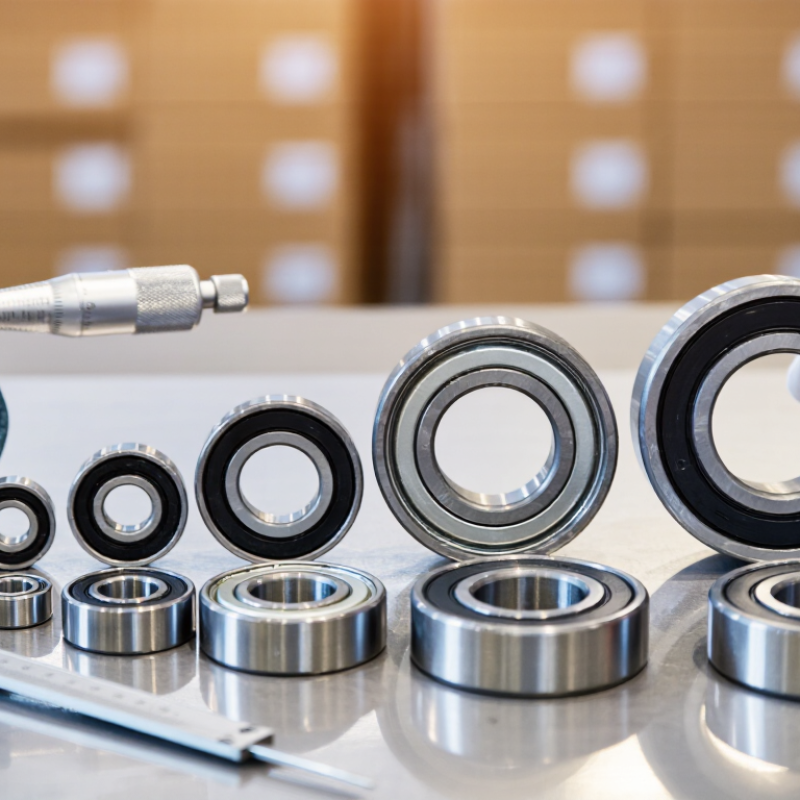
Request production samples before placing a large order. Check the bearing surface under strong light. Look for even rollers, clean raceways, and smooth cage movement. Measure bore and outside diameter with calibrated tools. A dependable factory should provide dimensional reports, load ratings, tolerance data, and batch traceability. It should also describe how workers control vibration, noise, and lubrication during final inspection.
Factory visits can reveal details that sales documents hide. Observe storage conditions, furnace records, grinding equipment, and packing areas. Moisture, dust, or mixed batches may damage reliability. Compare lead times, minimum quantities, testing capacity, and replacement procedures. Ask whether engineers can review shaft misalignment and operating temperature. Technical support matters after delivery.
Do not trust the lowest quote immediately. I once treated a low unit price as proof of efficiency, but later noticed weaker documentation and slower replies. That judgment was incomplete. A stronger comparison weighs total service, consistency, and evidence. Verify certifications independently when possible. A factory that welcomes reasonable audits usually has less to hide.
How to Verify Quality, Certifications, Pricing, and Production Capacity
How to Buy Self Aligning Roller Bearings Factory Direct in 2026
Buying factory direct can reduce costs, but only when quality is verified carefully. Ask for production samples, material certificates, and dimensional inspection reports. Check bore diameter, outside diameter, clearance, roller alignment, and surface finish. A reliable factory should explain its testing process without avoiding technical questions. Request serial-based traceability from raw steel to final packing. Small details matter.
Certifications need practical checking. Confirm the validity, scope, issuing body, and covered production site of each certificate. ISO 9001 can indicate controlled processes, but it does not prove every bearing is excellent. Ask for heat-treatment records, load-test data, and vibration results. An independent inspection may reveal issues missed during a factory presentation. It costs more. Sometimes, it prevents a costly mistake.
Pricing should include tooling, packaging, inspection, delivery terms, and replacement conditions. Compare identical specifications, not only unit prices. Ask about minimum order quantities and payment stages. Production capacity also needs evidence. Review machine lists, monthly output, current orders, worker shifts, and average lead times. Request a small trial order before committing to volume. Capacity claims can look impressive on paper. I would still question them. A factory may have enough machines but lack skilled operators, stable materials, or final inspection discipline. That gap often appears during urgent production.
How to Buy Self-Aligning Roller Bearings Factory Direct in 2026
Quality, certifications, pricing transparency, and production capacity should be verified before placing a factory-direct order. The chart presents a practical procurement weighting model for comparing qualified suppliers without using company or brand data.
Use the quality category to review material certificates, heat-treatment records, dimensional inspection reports, and load-test results. Confirm certification scope and validity for ISO 9001, ISO 14001, or ISO 45001 through the issuing certification body. Check pricing by comparing the same bearing designation, internal clearance, sealing configuration, order quantity, packaging, and delivery terms. Production capacity should be supported by equipment lists, monthly output records, inspection capacity, and a realistic lead-time commitment.
How to Place a Factory-Direct Order and Manage Delivery in 2026
A factory-direct order for self-aligning roller bearings should begin with a precise technical sheet. Include bore diameter, outside diameter, load rating, operating speed, clearance, seals, lubrication, and shaft tolerance. Ask the factory for material certificates, dimensional reports, heat-treatment records, and batch traceability. An ISO 9001 certificate supports process control, but it does not replace product testing. Request a sample inspection before approving the full quantity.
Delivery planning needs equal attention. UNCTAD’s Review of Maritime Transport 2024 states that over 80% of global trade volume moves by sea. Therefore, confirm the shipping route, port risks, insurance, packaging, and customs documents early. Add moisture-proof wrapping, rust protection, shock indicators, and clear carton labels. Agree on Incoterms, production milestones, and a shipment tracking method in writing. IATA reported that global air cargo demand grew 11.3% in 2024, showing stronger pressure on urgent freight capacity. Air transport may rescue a delayed order, but costs can rise sharply.
Tips: Compare at least three factory quotations. Check test samples, not only prices. Keep a 10% schedule buffer. A common mistake is trusting the promised delivery date without checking capacity. I would also verify whether replacement units share the same specifications. Small differences can create installation problems. Mistakes happen. A signed inspection plan reduces them.