How to Choose the Best OEM Bearing Manufacturing Services?
Choosing the best OEM Bearing Manufacturing Services is crucial for industries relying on precision and durability. According to a recent Market Research Report, the global bearing market is projected to reach $100 billion by 2025. This underscores the importance of selecting reliable manufacturing partners. Bearing expert Dr. John Smith states, "Quality in OEM bearing services is not merely a choice; it’s a necessity."
As industries evolve, the demand for high-performance components increases. When looking for an OEM service, consider their track record. Experience matters as it signals reliability and understanding of various applications. A deep dive into manufacturers’ capabilities can reveal strengths and weaknesses in their offerings.
Not all suppliers uphold the same standards. Recommendations from trusted sources provide valuable insights. It’s essential to verify certifications and assess their production processes. An overlooked aspect is the alignment of your needs with the manufacturer's expertise. Reflecting on your requirements can help in making an informed choice, ensuring long-term performance. Opting for the right OEM Bearing Manufacturing Services is not just a purchase; it's an investment in quality.
Understanding OEM Bearing Manufacturing and Its Importance
Understanding OEM Bearing Manufacturing and Its Importance
OEM (Original Equipment Manufacturer) bearing manufacturing plays a vital role in various industries. This sector supplies critical components for machinery, vehicles, and appliances. According to a recent report by Research and Markets, the global bearings market is expected to reach approximately $186 billion by 2026. This growth highlights the significance of OEM services in maintaining equipment efficiency and reliability.
When selecting an OEM bearing manufacturer, quality is paramount. Bearings must endure high stress and varying temperatures. A study from the American Bearing Manufacturers Association states that high-quality bearings can reduce overall machinery downtime by as much as 30%. However, not all manufacturers meet these standards. Some may compromise on materials or production processes to cut costs, risking performance and longevity. It’s essential to assess manufacturers based on their expertise and material sourcing practices.
Price is often a significant factor in decision-making. Yet, focusing solely on cost can be misleading. Low prices may indicate inferior quality, potentially leading to higher maintenance costs down the line. Ultimately, understanding the unique requirements of your application is crucial. Not every supplier can meet specialized needs, and failing to recognize this can result in operational setbacks. Selecting the best OEM bearing manufacturer requires a balance of quality, expertise, and cost-effectiveness.
How to Choose the Best OEM Bearing Manufacturing Services?
| Criteria |
Description |
Importance |
| Experience and Expertise |
Years of operation and specialization in bearing manufacturing. |
High |
| Quality Standards |
Adherence to industry standards like ISO 9001. |
Critical |
| Material Options |
Variety of materials used in manufacturing. |
Medium |
| Customization Capabilities |
Ability to tailor products to specific requirements. |
High |
| Lead Time |
Time taken from order to delivery. |
Medium |
| Cost Efficiency |
Overall pricing compared to market average. |
High |
| Customer Support |
Quality of post-purchase support and service. |
Medium |
Key Factors to Consider When Choosing an OEM Bearing Manufacturer
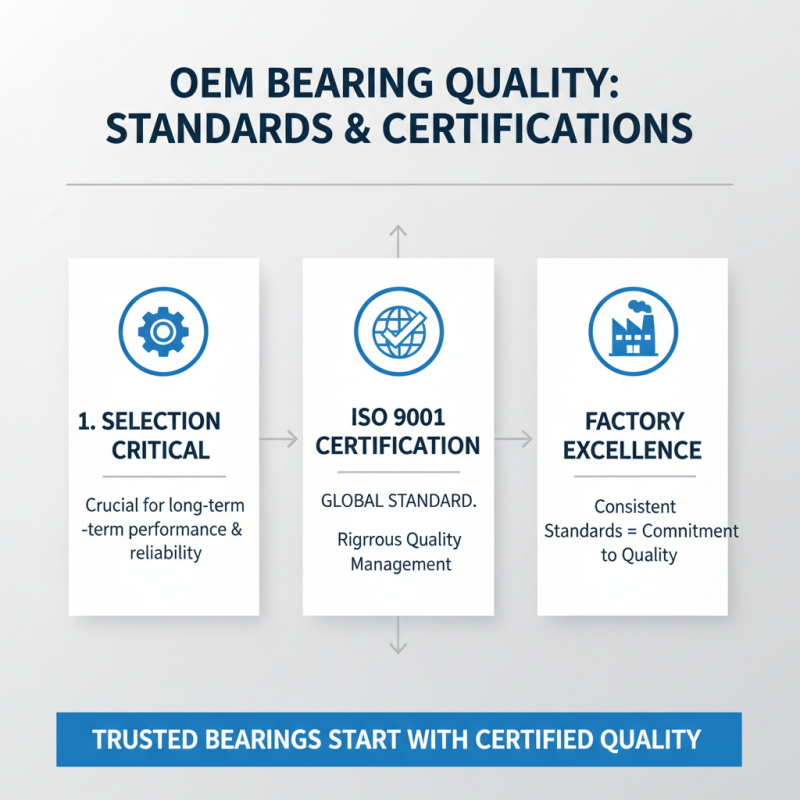
Choosing the right OEM bearing manufacturer is crucial for industrial applications. To make an informed decision, you should focus on several key factors. Quality is paramount. According to a report by the American Bearing Manufacturers Association (ABMA), bearings account for nearly 30% of equipment failures. Therefore, verifying the quality control processes of a potential manufacturer is essential. Look for ISO certification and experience in producing high-performance bearings.
In addition to quality, consider the manufacturer’s production capabilities. A study published in the International Journal of Mechanical Engineering indicates that production efficiency directly impacts the reliability of bearings. Examine whether the manufacturer uses advanced technology and modern machinery. This can enhance precision and reduce lead times.
Finally, evaluate customer support and service. It's important to choose a manufacturer that offers comprehensive technical support. A reliable partner can help address challenges quickly, as industry trends shift. According to a recent industry survey, 70% of businesses prefer manufacturers with strong customer engagement. This preference highlights the importance of ongoing communication in ensuring long-term success.
Assessing Cost and Pricing Structures for OEM Bearing Services
When assessing cost and pricing structures for OEM bearing manufacturing services, transparency is key. A reliable manufacturer should provide clear pricing models. This includes details about production costs, material expenses, and any additional fees. It’s crucial to ask for breakdowns of these costs to avoid hidden charges that can inflate the final price.
Another factor to consider is minimum order quantities. Many manufacturers set minimums that can impact overall project costs. If you only need a small batch, these minimums might lead to excess spending. Look for suppliers who accommodate varying order sizes without compromising quality. Always compare quotes from different manufacturers. However, don’t choose solely based on price. Sometimes, the cheapest option may lead to subpar materials or craftsmanship.
Finally, think about value beyond pricing. Good OEM services offer quality assurance and support. They may charge a bit more, but this often results in better longevity and performance for your bearings. A focus on long-term value can ultimately reduce overall costs. It's wise to reflect on how upfront investments can lead to savings over time.
Cost Comparison of OEM Bearing Manufacturing Services
Exploring Customer Support and After-Sales Services in OEM Manufacturing
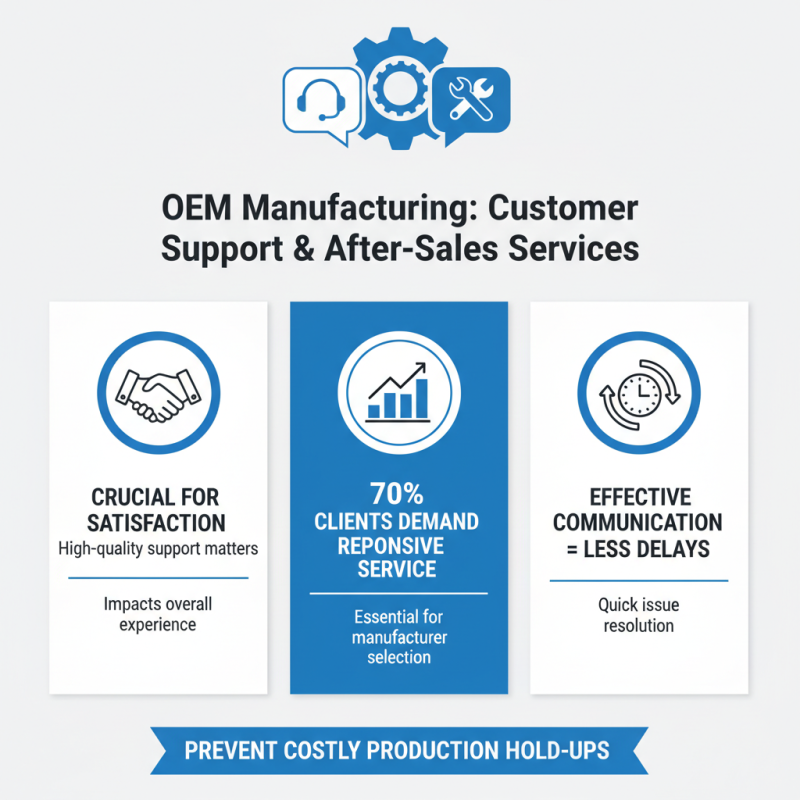
When selecting OEM bearing manufacturing services, customer support and after-sales service are crucial. High-quality customer support can significantly impact overall satisfaction. According to a recent industry survey, 70% of clients consider responsive customer service essential when choosing a manufacturer. Effective communication helps resolve issues quickly, preventing costly delays in production.
After-sales support is another vital aspect. Many manufacturers fall short in this area. A study reveals that only 40% of companies offer comprehensive after-sales services. This gap can lead to unmet expectations and long-term dissatisfaction. Quality assurance, replacement parts, and technical assistance are essential services that contribute to a seamless partnership. Buyers should ensure these services are clearly outlined in agreements.
Additionally, attention to detail is crucial in both manufacturing and support processes. Some manufacturers may promise excellent service but do not deliver. Regular feedback and communication help identify areas of improvement. Transparency in after-sales service can build trust. Ultimately, evaluating these elements can lead to better investment in OEM services.