Why Choose Stainless Steel Corrosion Resistant Bearings for Your Needs?
In today's manufacturing landscape, choosing the right components is vital. Stainless Steel Corrosion-Resistant Bearings offer unique advantages. These bearings are known for their durability and reliability. They withstand harsh environments where traditional materials fail.
Corrosion resistance is a key feature. It ensures longevity and reduces maintenance costs. Industries like food processing, pharmaceuticals, and marine applications depend on these bearings. Their ability to resist moisture and chemicals is crucial for these sectors. Despite their advantages, some may question the higher upfront costs.
Investing in Stainless Steel Corrosion-Resistant Bearings can lead to significant savings over time. Consider the potential downtime from replacing inferior bearings. Overlook this, and the long-term impact could be detrimental. Reliable components are not just an expense; they are an essential investment in operational efficiency.
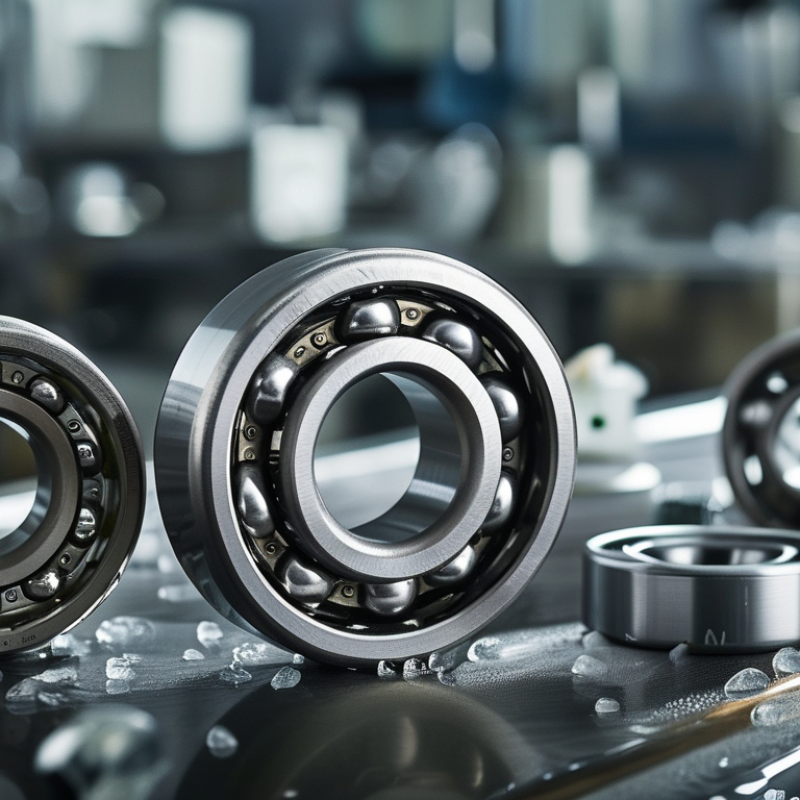
Benefits of Using Stainless Steel for Corrosion Resistant Bearings
When considering materials for bearings, stainless steel stands out as an ideal choice for corrosion resistance. Its high chromium content creates a protective oxide layer, which helps prevent rust and oxidation. A report by the International Bearing Association reveals that stainless steel bearings can last up to 50% longer than those made from carbon steel in corrosive environments. They are effective in various industries, such as marine, aerospace, and food processing.
Using stainless steel can also reduce maintenance costs. In high-moisture areas, traditional bearings often fail due to corrosion. In contrast, stainless steel bearings typically require less frequent replacements. Additionally, a study from the American Society of Mechanical Engineers highlights that the initial cost of stainless steel bearings is offset by their durability and lower failure rates.
Tip: When selecting stainless steel bearings, ensure you choose the appropriate grade for your environment, such as AISI 440C for high-strength applications. Always consider the lubrication needs for your specific setup, as it can enhance performance. Also, remember that while stainless steel offers many benefits, it’s essential to assess the entire system's compatibility to prevent unexpected issues.
Applications Where Stainless Steel Bearings excel in Performance
Stainless steel corrosion resistant bearings are ideal for various demanding applications. They excel in environments where exposure to moisture, chemicals, or harsh conditions is common. For instance, in food processing, these bearings prevent contamination while ensuring smooth equipment operation. Their resistance to rust and corrosion is crucial in maintaining hygiene standards.
Another area where stainless steel bearings shine is in the aerospace industry. Here, reliability is paramount. Bearings used in aircraft components must withstand extreme temperatures and pressures. Stainless steel’s durability contributes to longer lifespans and better performance. However, careful selection is necessary; relying solely on material properties without considering the application's specifics can lead to failures.
Marine applications also benefit significantly from stainless steel bearings. Boats and ships face constant exposure to saltwater, which can quickly deteriorate standard bearings. Stainless steel provides a robust defense against such corrosive environments. Nonetheless, users must acknowledge that even stainless steel bearings need regular maintenance to ensure optimal functionality. Neglecting this can result in unexpected breakdowns, impacting overall performance.
Comparative Analysis: Stainless Steel vs. Other Bearing Materials
When it comes to bearing materials, stainless steel stands out for its corrosion resistance and durability. Unlike traditional steel, stainless steel is designed to withstand harsh environments. This makes it a top choice for marine applications, food processing, and chemical industries.
Other materials like brass and plastic may offer cost savings, but they lack the durability of stainless steel. Brass can corrode over time, while plastics may not handle heavy loads. In heavy-duty applications, stainless steel bearings provide reliability that can’t be matched. They endure extreme temperatures and resist chemical exposure better than most alternatives.
Tips: Always consider the environment where the bearings will be used. If corrosion is a concern, stainless steel is likely the best option. Maintenance is crucial; regular checks can prevent failure. Remember, a slight upfront investment in quality materials can save costs in the long run. Don't overlook weight and load capacity when making your choice.
Maintenance Tips for Stainless Steel Corrosion Resistant Bearings
Maintaining stainless steel corrosion resistant bearings is essential for longevity. Regular inspection helps identify wear and tear early. Look for signs of rust or pitting. Even small imperfections can worsen over time. Cleaning is vital. Use mild detergents and a soft cloth. Avoid abrasive materials that can scratch the surface. Rinse thoroughly to remove any soap residue.
Lubrication is another critical factor. Choose the right lubricant for your application. Apply it consistently to prevent friction. However, don’t over-lubricate, as it can attract dirt and debris. An appropriate amount suffices. Be aware of environmental factors. High humidity or salty air can accelerate corrosion. Consider protective covers for storage.
Remember, perfect maintenance doesn’t exist. Some bearings may still fail despite best efforts. Keep spare parts handy, as replacements can save time. Track maintenance schedules, and don’t hesitate to reassess your approach if issues arise. Continuous improvement is key to reliability.
Key Factors to Consider When Selecting Stainless Steel Bearings
When selecting stainless steel bearings, consider several key factors. One crucial aspect is corrosion resistance. Stainless steel offers protection against rust and oxidation. According to a report from the International Organization for Standardization, stainless steel bearings experience less than 10% corrosion over ten years in harsh environments. This statistic highlights their long-term reliability.
Another factor is load capacity. Stainless steel bearings can handle significant loads. Research shows that they maintain structural integrity under high pressures. However, the user must ensure they match the bearing to the application. An ill-suited bearing could fail prematurely. This mismatch often leads to costly downtime and repairs.
Additionally, consider the bearing’s lubrication requirements. Stainless steel bearings often require specific lubricants to prevent wear. A study from the Journal of Tribology indicates that improper lubrication can reduce lifespan by 50%. Users must be informed and proactive about maintenance needs. Overlooking these details can result in unexpected failures. Understanding these factors can optimize performance and longevity in various applications.
Why Choose Stainless Steel Corrosion Resistant Bearings for Your Needs? - Key Factors to Consider When Selecting Stainless Steel Bearings
| Feature |
Description |
Benefits |
| Corrosion Resistance |
Stainless steel bearings are designed to withstand corrosive environments. |
Increased lifespan and reduced maintenance costs. |
| Temperature Tolerance |
Can operate effectively across a wide temperature range. |
Suitable for both high and low temperature applications. |
| Low Friction |
Designed for optimal smoothness and efficiency. |
Improved performance and energy efficiency in machinery. |
| Durability |
Constructed to withstand heavy loads and impacts. |
Enhanced reliability and reduced risk of failure. |
| Chemical Resistance |
Resistant to various chemicals and fluid contaminants. |
Versatile application in numerous industries. |