How to Choose the Best Bearing Anti Rust Treatment Technology?
Choosing the right Bearing Anti-Rust Treatment Technology is crucial for ensuring the longevity and reliability of machinery. According to Dr. Alex Thompson, a leading expert in corrosion science, “Selecting the right anti-rust method can significantly reduce maintenance costs.” His insights highlight the importance of making informed choices in this field.
In industries where bearings are used extensively, rust can compromise performance. Effective treatments can vary widely, from coatings to advanced chemical solutions. Each option presents unique advantages and potential drawbacks. Understanding these nuances requires a blend of technical knowledge and practical experience.
Determining the ideal Bearing Anti-Rust Treatment Technology is not a straightforward task. Factors such as the operating environment, material properties, and cost-effectiveness often complicate the decision. Professionals must critically evaluate each treatment’s effectiveness and suitability. This thorough analysis can prevent costly mistakes and ensure better operational efficiency. Engaging with industry experts is essential for navigating these complexities.
Understanding Bearing Rust and Its Impact on Performance
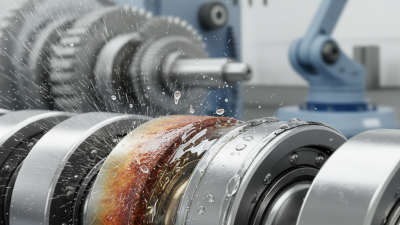
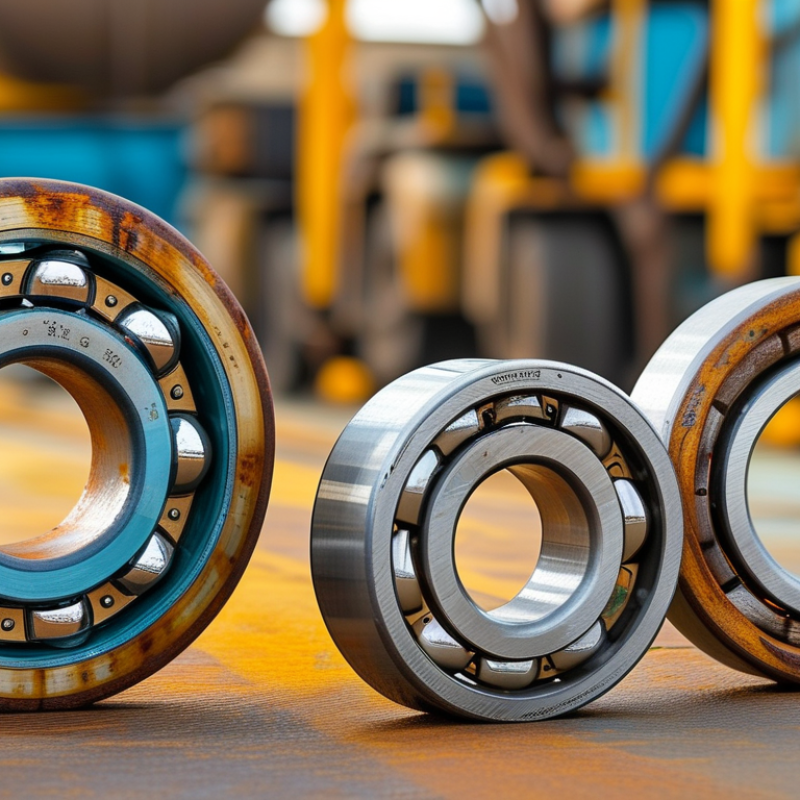
Rust can significantly affect bearing performance. According to a report from the International Organization for Standardization (ISO), nearly 30% of bearing failures stem from corrosion. Rust not only reduces durability but can also lead to unexpected machinery downtime. This impacts productivity and increases maintenance costs.
Proper anti-rust treatments can mitigate these risks. A study published in the Journal of Lubrication Science suggests that effective rust prevention can enhance bearing life by up to 40%. These treatments create a protective barrier, reducing moisture exposure. However, selecting the right technology requires understanding the specific environmental factors at play.
Tip: Regularly inspect bearings in high-humidity environments. Use desiccants in storage areas to absorb moisture.
Before applying any treatment, consider the bearing's application. Heavy-load situations may require different solutions than lighter operations. You might find that some methods work better in your climate. Investing in quality assessments can save costs in the long run.
Tip: Document your findings for future reference. Learning from past experiences can guide better maintenance strategies.
Key Factors to Consider When Selecting Anti Rust Treatment Technologies
When selecting anti-rust treatment technologies for bearings, several key factors deserve attention. The environment in which the bearings operate is crucial. Factors like humidity, temperature, and exposure to harsh chemicals can significantly influence rust formation. An effective treatment should consider these elements to provide suitable protection. Regular assessments can help identify the best solution for specific conditions.
Another important factor is the application method. Different technologies, such as coatings or inhibitors, require various application techniques. Some might need special equipment or conditions for optimal performance. It's essential to evaluate whether your facility can accommodate these aspects. Consider potential challenges, such as drying times or compatibility with existing processes.
Cost is also a critical consideration. While cheaper options may seem appealing, they might not offer lasting protection. Investing in reliable treatments can save money in the long run. Engage with experts to assess the real value of different solutions. A partnership with knowledgeable professionals can lead towards sustainable choices. Remember, finding the right anti-rust treatment might feel overwhelming. Be prepared to revisit and refine your selection based on feedback and performance data.
Comparative Analysis of Common Anti Rust Treatment Methods
Choosing the right anti-rust treatment for bearings can be challenging. Various methods exist, each with its strengths and weaknesses. Understanding these options is crucial for ensuring durability and performance.
Common anti-rust treatments include coatings, oils, and electroplating. Coatings can provide a thick layer of protection but may alter the bearing's dimensional properties. Oils, while effective, can require more frequent application. Electroplating offers strong adhesion and can be very reliable but involves more complex processes. Why choose one over the other? Consider the specific environment the bearings will be in.
Tips: Assess the long-term impact of the treatment. Some methods may degrade quickly under certain conditions. Always test on a small scale when in doubt. Ensure that the treatment aligns with the application needs. Observing bearing performance regularly can provide insights into which method serves best over time. Remember, not all solutions are one-size-fits-all. The perfect choice often requires careful evaluation and adjustments.
Evaluating the Longevity and Effectiveness of Rust Treatments
When selecting a rust treatment for bearings, it's crucial to evaluate its longevity and effectiveness. Studies indicate that treatments can extend operational life by a significant margin. For example, certain coatings have shown up to a 70% increase in lifespan under specific environmental conditions. This data underscores the importance of choosing the right technology.
The method of application also affects durability. Spray-on treatments typically provide a thinner layer and may wear off faster compared to immersion methods, which create a thicker protective barrier. Industry reports suggest that mechanical wear can reduce the protective film of some treatments by up to 30% within the first year. This illustrates that not all treatments perform as expected over time.
Understanding the specific environment where the bearings will operate is essential. Different climates can influence the effectiveness of certain rust treatments dramatically. For instance, a humid environment may accelerate corrosion despite a seemingly robust treatment. Thus, consideration of environmental factors is key to making an informed decision.
Comparative Analysis of Rust Treatment Technologies
Best Practices for Implementation and Maintenance of Rust Treatments
When implementing rust treatment technologies for bearings, understanding the best practices is crucial. Reports indicate that up to 50% of bearing failures are linked to rust and corrosion. Proper maintenance can significantly extend the lifespan of bearings. Choose the right treatment based on the environment. Harsh conditions require more robust solutions.
Regular inspection and maintenance of the anti-rust treatment are necessary. Some treatments may need reapplication after specific intervals, especially in areas with high humidity. Continuous monitoring is essential. One study suggests that organizations that implement structured maintenance programs reduce rust-related failures by about 30%.
Consider the compatibility of treatments with bearing materials. Not all treatments suit every type of bearing. Consult technical data sheets and manufacturers' guidelines for best results. In some cases, initial treatment might seem effective, but long-term results can vary. It's important to evaluate performance continuously, ensuring that the chosen method remains effective over time.