How to Choose the Best Wind Turbine Bearings Provider?
Choosing the right Wind Turbine Bearings Provider is crucial for the renewable energy sector. According to a recent report by the Global Wind Energy Council, the wind turbine market is expected to reach a value of $160 billion by 2025. This highlights the growing importance of reliable components, such as bearings. Industry expert Dr. Sarah Johnson states, "Selecting a capable supplier impacts the turbine's reliability and efficiency."
In a field driven by innovation and sustainability, the bearings play a key role. They endure harsh conditions and must maintain optimal performance. A small defect can lead to significant downtimes, affecting power generation. Therefore, evaluating the expertise and reputation of prospective suppliers is essential.
Collaboration with knowledgeable providers can lead to better product choices. An ideal partner should not only supply quality bearings but also provide technical support and service. Discerning the right Wind Turbine Bearings Provider can be challenging. It requires careful consideration of various factors, including past performance and industry reputation.

Understanding the Importance of Bearings in Wind Turbine Performance
Bearings play a crucial role in the performance of wind turbines. They support the rotor shaft, allowing for smooth rotation. However, the choice of bearings can significantly affect efficiency and durability. Quality bearings reduce friction and wear, enhancing overall energy output. Any defect in these components can lead to failures. Downtime for repairs can be costly.
Selecting the right provider is essential. A reliable supplier should offer expertise in various bearing materials. Understanding the specific needs of wind turbine systems is vital. It’s also important to consider the environmental factors the bearings will face. A provider with extensive experience can guide you through these considerations. This insight is invaluable.
Bearings are not universally interchangeable. Different turbines have unique requirements. A one-size-fits-all approach may lead to subpar performance. Always reflect on the long-term implications of your choices. Inadequate bearings could lead to unforeseen consequences, both financially and operationally. Thoughtful selection is critical to maintain turbine efficiency.
Key Factors to Consider When Choosing a Bearings Provider
Choosing the right bearings provider for wind turbines is crucial. Bearings are essential for turbine efficiency and longevity. A well-selected provider should demonstrate expertise in materials and engineering. According to the "Wind Energy Annual Market Report," more than 80% of turbine failures are linked to bearing issues. Therefore, the provider’s experience in the wind industry should be a primary consideration.
Another key factor is material quality. Bearings endure extreme conditions such as high loads and variable temperatures. A reliable provider uses high-grade materials that resist wear and corrosion. Reports indicate that turbines with high-quality bearings can see a 30% longer operational lifespan. Look for providers with certifications like ISO 9001, which ensures quality management systems.
Additionally, consider the after-sales support offered. Some providers may excel in production but fall short in customer service. It's worth noting that 25% of reported bearing failures resulted from poor installation or maintenance guidance. Engaging with a provider offering thorough support can mitigate these risks. A well-rounded assessment of these factors will guide you towards selecting the most suitable bearings provider.
How to Choose the Best Wind Turbine Bearings Provider? - Key Factors to Consider
| Factor |
Description |
Importance Level |
| Quality of Bearings |
Evaluate the materials and manufacturing processes used to ensure durability and reliability of bearings. |
High |
| Technical Support |
Assess the level of technical assistance and product knowledge provided by the supplier. |
Medium |
| Delivery Time |
Consider the lead time for orders and their ability to meet deadlines. |
High |
| Cost Competitiveness |
Analyze pricing structures and compare with other providers. |
Medium |
| Supplier Reputation |
Research the history and reviews of the supplier to gauge reliability. |
High |
| Customization Options |
Examine the availability of custom bearing designs tailored to specific needs. |
Low |
Evaluating the Quality Standards of Wind Turbine Bearings
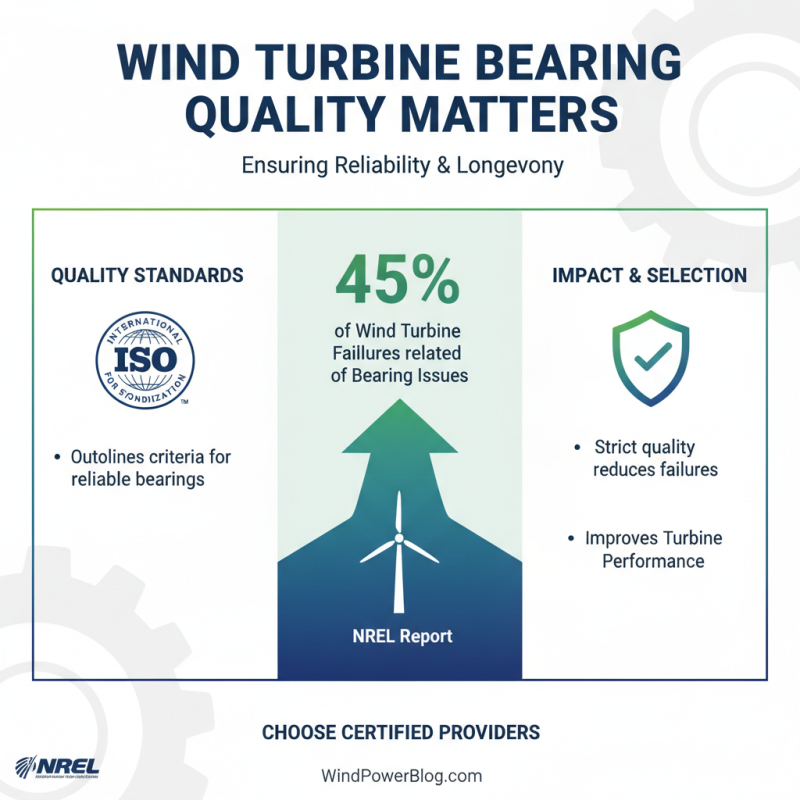
When evaluating wind turbine bearings, quality standards are paramount. The International Organization for Standardization (ISO) outlines criteria that bearings must meet to ensure reliability and longevity. According to a recent report from the National Renewable Energy Laboratory (NREL), approximately 45% of wind turbine failures relate to bearing issues. Therefore, selecting a provider that adheres to strict quality standards can significantly impact turbine performance.
Materials play a crucial role in bearing durability. High-grade steel and advanced composites are commonly recommended due to their resistance to wear and fatigue. A study by the American Wind Energy Association (AWEA) noted that bearings made from these materials achieve a lifespan extension of up to 30%. However, not all manufacturers meet these high standards. Some may cut corners, compromising reliability.
Additionally, certification is essential. Providers should comply with ISO 9001 and 14001, which reflect quality management and environmental management standards. Transparency in testing and performance data is crucial too. As the industry evolves, the technology and standards around wind turbine bearings will likely advance. Failing to adapt to these changes can leave providers struggling to maintain competitive advantages. Hence, due diligence is critical for stakeholders in the wind energy sector.
Assessing Supplier Experience and Expertise in the Industry
When selecting a wind turbine bearings provider, it's crucial to evaluate their experience and expertise. A supplier’s longevity in the industry can signal reliability. According to a recent report by Global Wind Energy Council, over 90% of the top-performing wind projects rely on providers with more than 20 years of experience. This statistic highlights the importance of choosing suppliers familiar with the nuances of wind energy components.
Expertise also matters. A provider should demonstrate a deep understanding of bearing technology and its applications in turbines. Research by the Bearings Institute shows that high-quality bearings can improve turbine efficiency by 5-10%. Suppliers with engineering teams dedicated to research and development are often at the forefront of innovations. This focus can translate into better product performance and longevity.
Tips: Research online reviews and case studies to gauge client satisfaction. Ask potential suppliers about their certifications and industry partnerships. Seek transparency in their processes; a trustworthy supplier will readily share performance data and research findings. While many providers may claim expertise, finding one that can show proven results is vital. Staying critical of their claims can lead to more informed decisions.
Comparing Pricing and Service Offerings from Different Providers
When choosing a wind turbine bearings provider, pricing and service offerings are crucial considerations. Industry reports indicate that the cost of bearings can vary significantly. For instance, the average price range for high-quality wind turbine bearings can be between $500 to $5,000 each. Factors like material quality and load capacity heavily influence this pricing structure.
Tip: Always ask for a detailed quote. Look for transparency in costs, including shipping and installation. Comparing multiple providers can provide insights into fair pricing.
Service offerings also play an essential role in your decision. Some providers might offer comprehensive warranty options, while others may have limited support post-purchase. Reports show that providers with robust customer service frameworks are often preferred. A comprehensive service package could save on long-term maintenance costs.
Tip: Evaluate the responsiveness of the provider. A quick response time can indicate commitment and reliability. Consider asking for references to evaluate their service history.
Understanding these elements helps ensure you choose a provider that meets both your budget and service expectations. Make informed decisions based on comprehensive comparisons.
Comparison of Wind Turbine Bearings Providers