Essential Bearing Installation and Removal Tips for Buyers?
When it comes to bearing installation and removal, understanding the right techniques is crucial. This process affects both the performance and longevity of machinery. A Bearing Installation & Removal Tutorial can demystify the steps for buyers. With the proper knowledge, you can avoid common pitfalls.
Many buyers underestimate the importance of precision during installation. Using the right tools is essential. Hammering a bearing can cause damage. Instead, use a press for a smooth fit. If you're unsure, seek guidance from experts or reliable sources. Your equipment's efficiency depends on it.
Reflecting on personal experiences, I recall a time when I rushed an installation. The result was a noisy bearing and early wear. Lessons learned from mistakes like this can guide future efforts. Proper techniques are not merely recommendations; they are a necessity for reliable operation.
Understanding Different Types of Bearings for Installation and Removal
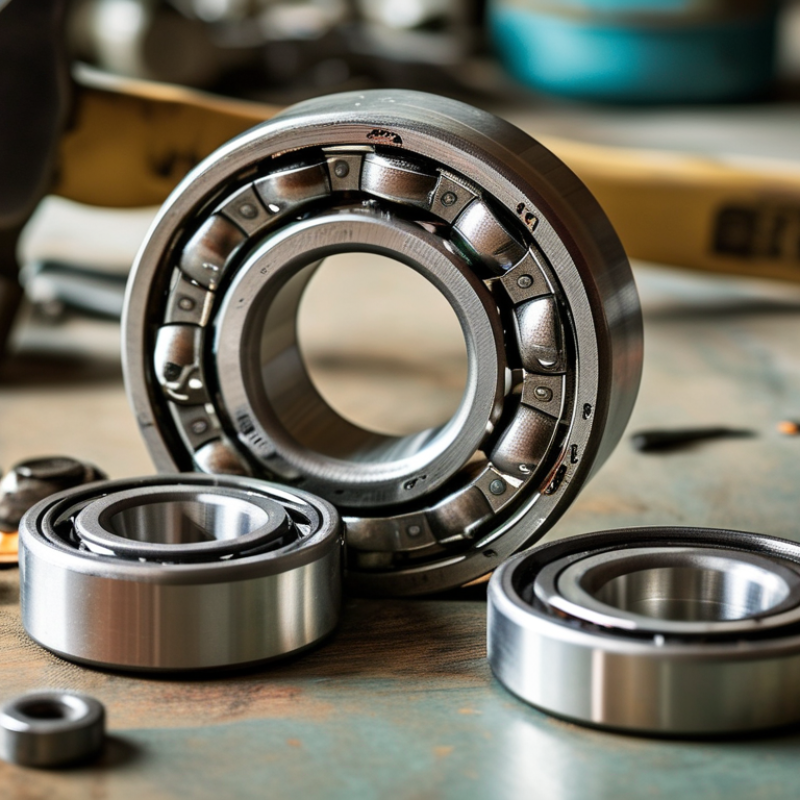
Understanding different types of bearings is crucial for efficient installation and removal. Bearings can be classified into various categories, including ball bearings, roller bearings, and sleeve bearings. Each type has unique features and applications. For example, ball bearings offer low friction and are ideal for high-speed applications. Roller bearings, suited for heavy loads, can handle significant radial and axial loads. Understanding these distinctions aids in selecting the right bearing for specific tasks.
According to industry reports, improper installation can lead to a 30% decrease in bearing lifespan. This statistic underscores the importance of precise methods during both installation and removal. Applying the correct tools, such as bearing pullers and press tools, is vital. For instance, using an improper tool can damage the bearing or surrounding components. It's essential to keep a clean work environment to avoid contamination. Dust and debris can lead to premature failure.
Overlooking these factors can have dire consequences. Many users tend to rush the process, thinking it will save time. However, this often leads to costly mistakes and wasted resources. Always consult installation guidelines and seek professional advice when in doubt. Investing time in understanding the specific requirements for bearing types increases reliability and longevity.
Essential Tools Required for Bearing Installation and Removal Processes
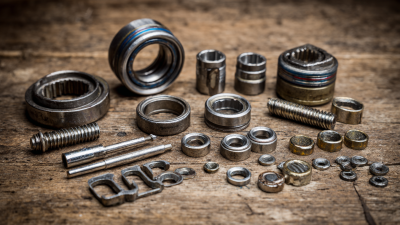
When it comes to bearing installation and removal, having the right tools is crucial. Essential tools include a bearing puller, which helps remove bearings without damage. A press is important for inserting bearings into tight spaces. Using a heat gun can expand bearings slightly for easier installation. Always ensure your tools are clean and in good condition to avoid any complications.
Additionally, hammering a bearing into place can lead to damage. Instead, using a specially designed bearing driver can ensure a smooth fit. A micrometer or caliper can help measure components accurately, preventing improper fittings. Measuring tools may seem tedious but are vital for accuracy. Over time, the right approach and tools improve your skills.
Bear in mind, mistakes happen. Sometimes bearings get stuck or misaligned. In those cases, patience is key. Take the time to analyze the situation before proceeding. Every installation teaches something new. Learning from experiences shapes expertise.
Step-by-Step Guide to Proper Bearing Installation Techniques
Proper bearing installation is crucial for optimal performance and longevity. Start by preparing the workspace. Clean the area thoroughly to prevent contamination. Ensure you have all necessary tools before beginning. Misplaced tools or dirt can lead to improper installation. It's essential to prioritize a clean environment.
Next, examine the bearing and housing for any damage. Small imperfections can lead to issues later. Use a press tool for installation. Apply even pressure around the bearing to avoid misalignment. Avoid excessive force; it can damage the bearing. Regularly check during installation to ensure it sits correctly. Patience is key here.
When removing bearings, the technique is equally important. Heat the housing gently to expand it. This simple step reduces the risk of damage during removal. Use a puller tool for stubborn bearings. Applying too much force can lead to structural issues. Reflect on the experience. Every installation provides insight for future tasks, helping improve your skills.
Essential Bearing Installation Techniques
This chart illustrates the proper techniques and their effectiveness in ensuring successful bearing installations. Each method is rated based on its efficiency and common use.
Important Safety Precautions During Bearing Removal and Installation
When removing and installing bearings, safety cannot be overlooked. Improper techniques can lead to injuries. Always wear protective gloves and goggles to shield against debris. The workspace should be clean and well-lit. Ensure tools are in good condition. A poorly maintained tool can slip and cause accidents.
Before starting, check the bearing and surrounding components. Any signs of damage may indicate potential hazards. If bearings are tightly fit, consider using a heating method to expand them. This reduces the force needed for removal. Always follow the manufacturer's recommendations. Not doing so may cause injury or damage.
During installation, align the bearing carefully. Misalignment can lead to premature failure or accidents. Apply lubricant properly, as insufficient lubrication can lead to overheating. Keep fingers clear of any moving parts. After installation, conduct a test run. Listen for unusual noises that can signal issues. Reflect on the process and take notes for future tasks.
Common Mistakes to Avoid When Installing or Removing Bearings
Installing or removing bearings can be tricky. Many people overlook essential steps. One common mistake is not cleaning the housing before installation.
Dirt can lead to premature bearing failure. Always ensure that the surfaces are free from contaminants.
Another frequent error is improper alignment. Misalignment can cause excessive wear and tear. Use alignment tools to keep everything in place. Additionally, applying the right amount of force is crucial.
Too much force can damage the bearing. Conversely, too little force may not secure it properly.
It's important to avoid rushing the process. This can lead to forgetting key steps. Take your time and double-check every action. Sometimes, the smallest details make the biggest difference. Be mindful of the bearings' orientation and position. Ignoring these can lead to frustrating problems later on.
Remember, a careful approach ensures longevity and effectiveness.