Heavy Machinery Bearing Replacement Guide for Global Buyers 2026?
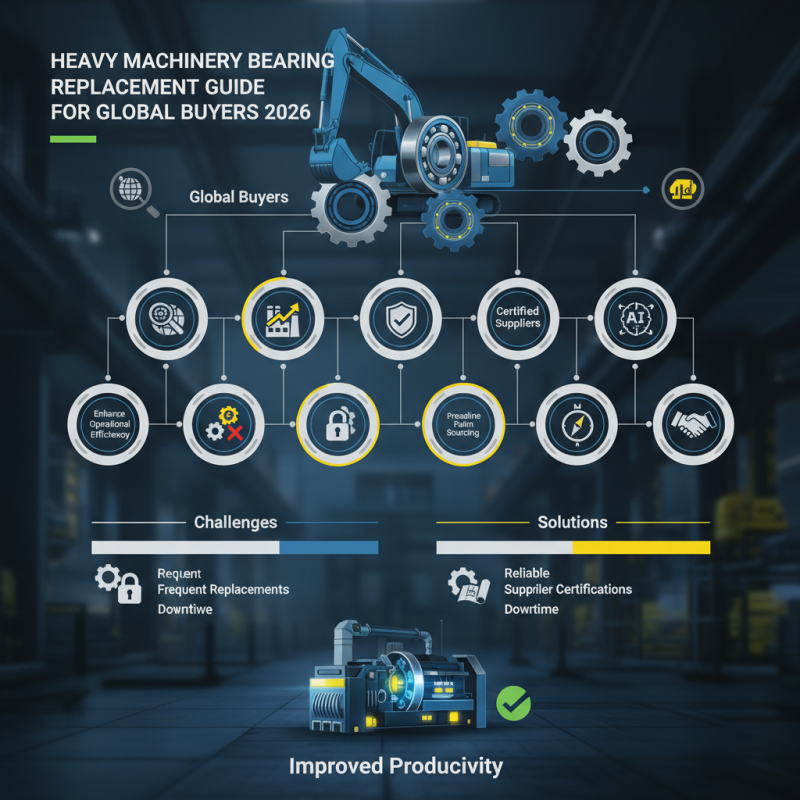
The "Heavy Machinery Bearing Replacement Guide" is essential for global buyers looking to enhance operational efficiency. As industries strive for greater productivity, bearing replacement plays a critical role in machinery performance. In 2026, with advancements highlighted during the 139th Canton Fair, businesses can discover innovative solutions and suppliers in the heavy machinery sector. The introduction of AI tools will streamline the sourcing process, helping buyers locate certified suppliers quickly.
Navigating through the vast exhibition space of 1.55 million square meters may seem daunting. However, precise path planning makes it easier to connect with vendors specializing in heavy machinery components. This guide aims to provide practical insights into bearing replacement while reflecting on common challenges in the process. Some machinery may require frequent replacements, which raises questions about quality and sourcing strategies.
Buyers must consider the certifications of suppliers. They should focus on reliable components that meet their operational needs. This guide will discuss various aspects of bearing replacement, pointing out areas where improvements can be made. Failure to address these needs may lead to downtime, affecting overall productivity in the industry.
Overview of Heavy Machinery Bearings and Their Importance
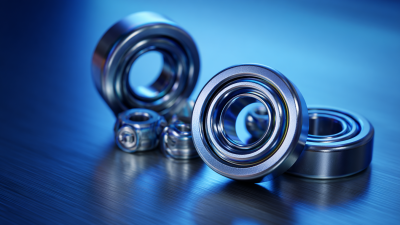
Heavy machinery bearings are crucial components that ensure the smooth functioning of various industrial machines. These bearings support heavy loads while minimizing friction. They are used in different equipment, such as excavators, bulldozers, and cranes. Without properly functioning bearings, machinery can fail, leading to costly downtimes and accidents.
Choosing the right bearings is vital for performance. Different machines require specific types of bearings. Using the wrong type can cause inefficiencies. Additionally, it's essential to consider environmental factors like dust and moisture. These can lead to premature wear and damage to the bearings.
**Tips:** Regular maintenance is critical. Inspect bearings frequently for signs of wear. Listen for unusual noises during operation. It’s easy to overlook small issues, but they can lead to significant problems. Always keep spare bearings on hand. Replacing them at the first sign of trouble can save time and money. Don't hesitate to consult experts for advice on the best practices for your machinery.
Heavy Machinery Bearing Types and Their Importance
Common Signs Indicating the Need for Bearing Replacement
Heavy machinery often endures heavy loads and challenging conditions. Bearings play a crucial role in ensuring smooth operations. When they start to fail, it can lead to significant downtime and repair costs. Recognizing the signs of bearing wear is essential for global buyers.
Common indicators include unusual noises. If you hear grinding or rattling, it may signal a problem. Vibration in the machinery can also indicate that bearings are not functioning correctly. Changes in temperature should not be ignored. Overheating often suggests that lubrication is inadequate or that wear has occurred.
It’s important to inspect bearings regularly. Sometimes, the signs can be subtle, and overlooking them can lead to bigger issues. Perhaps the machinery shows decreased performance, but you might not connect it to the bearings immediately. Regular maintenance checks can help identify these problems early, saving time and resources in the long run. More attention to these details can lead to more informed decisions.
Heavy Machinery Bearing Replacement Guide for Global Buyers 2026
Common Signs Indicating the Need for Bearing Replacement
| Sign |
Description |
Impact |
Recommended Action |
| Unusual Noise |
Grinding, squeaking, or knocking sounds |
Indicates potential bearing failure |
Inspect and replace bearings if necessary |
| Excessive Vibration |
Significant or abnormal vibration during operation |
Can lead to further equipment damage |
Conduct a thorough assessment and replace faulty bearings |
| Heat Generation |
Noticeable increase in operating temperature |
Shortens the lifespan of the bearing |
Evaluate lubrication or replace the bearing |
| Lubricant Leaks |
Leaks around bearing housing |
Can lead to lack of lubrication and bearing failure |
Replace seals and inspect bearings |
| Physical Wear |
Visible signs of wear or damage on bearing surfaces |
Indicates imminent failure |
Replace worn bearings immediately |
Step-by-Step Process for Replacing Heavy Machinery Bearings
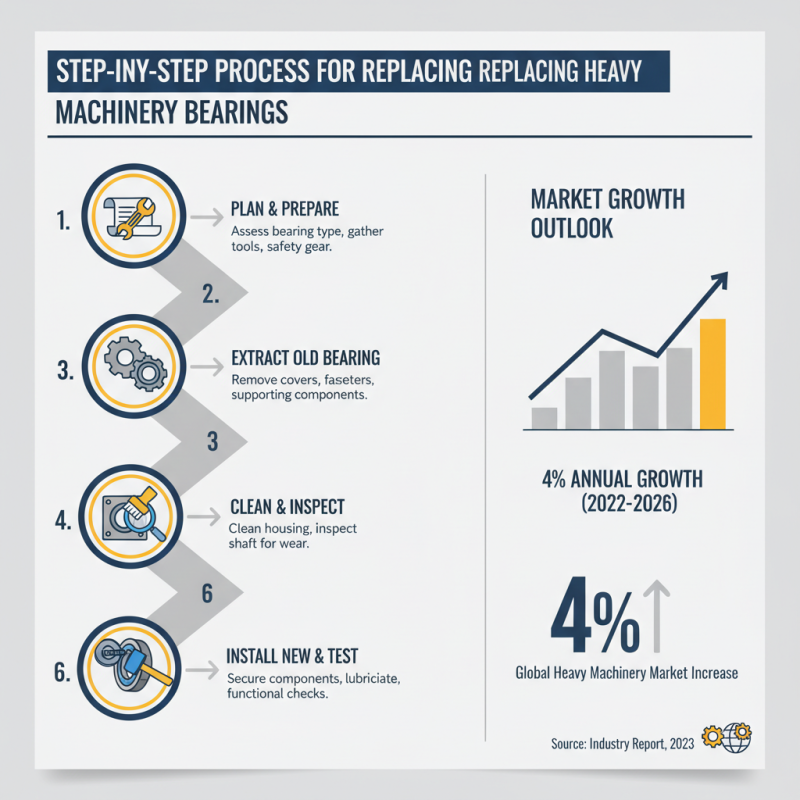
Replacing heavy machinery bearings can be a complex task. It requires careful planning and precision. Following a step-by-step process helps ensure success. The global market for heavy machinery is expected to grow significantly. According to a recent industry report, 4% annual growth is anticipated through 2026. This increase underscores the importance of bearing maintenance and replacement.
When beginning the replacement process, inspection is critical. Check for signs of wear or damage. Issues like vibration, overheating, or noise often indicate that bearings need attention. A study indicated that nearly 30% of machinery failures are due to bearing issues. It highlights the need for regular checks. Nevertheless, not every machine operator pays close attention to this. It’s easy to miss the signs when focused on daily operations.
After identifying the issue, proper disassembly and cleaning are essential. Use appropriate tools to remove the old bearings. Avoid damaging the housing or other components. Accuracy in reassembly is crucial. Even a slight misalignment can cause premature failure. A staggering 65% of bearing failures result from installation errors. Taking time during this phase can make a significant difference in machinery longevity.
Choosing the Right Replacement Bearings for Different Machinery
Choosing the right replacement bearings for heavy machinery is crucial. Different machinery types require specific bearing designs. The application environment also plays a significant role in this decision. Working conditions such as temperature, load, and speed impose various demands on bearings.
For example, high-speed applications might need bearings with lower friction. These bearings enhance efficiency and extend service life. On the other hand, heavy-load situations may require sturdier constructions. Choosing the wrong type can lead to early failures. It’s essential to consider not just specifications but also the operational context.
While selecting, it's easy to overlook certain details. Many buyers focus on price alone, which can lead to issues. A cheaper bearing may save money initially but could fail faster, causing costly downtime. A thorough market review and understanding of specific machinery needs often reveal better options. Don’t rush this process; each choice impacts overall performance.
Best Practices for Maintenance and Longevity of Bearings
Proper maintenance of heavy machinery bearings is crucial. Regular checks can help avoid unexpected failures. This can save both time and money. Simple practices, like cleaning and lubrication, are essential.
Dirt and debris often lead to premature wear. You should inspect seals regularly. Seals protect bearings from dust and dirt.
Monitoring temperature is important, too. Excess heat could indicate a problem. Look for unusual noises during operation. These sounds often signal misalignment or damage. Remember, even small issues can escalate quickly. You may need to replace bearings sooner than expected if ignored.
Documenting maintenance activities is helpful. Tracking changes can reveal patterns over time. This process can guide future actions, making it easier to spot potential failures.
Reflect on your practices regularly. Are there any steps you consistently skip? Identifying weaknesses in your process can improve long-term performance.