How to Find 6200 Series Bearings In Stock Worldwide?
Finding 6200 Series Bearings In Stock worldwide sounds simple, but real sourcing requires more than a search result. A supplier may display “available” while holding only a few pieces, an unsuitable clearance class, or an unverified substitute. This guide examines how to check stock accurately, compare suppliers, and reduce delays across international purchasing channels.
Bearing sourcing specialist Daniel Mercer explains, “Availability is useful only when the exact bearing specification, quantity, and dispatch date are confirmed.” His point matters. A 6200 bearing with rubber seals differs from one with metal shields. Internal clearance, lubrication, cage material, and manufacturer also affect suitability. Small details can stop a production line.
Look beyond the headline.
Reliable buyers request a live inventory confirmation, batch information, and a written lead time. They compare the complete designation, not just the basic 6200 number. Photographs of packaging, lot labels, and seal markings can reveal inconsistencies before shipment. Independent inspection may add cost, yet one failed bearing can cost far more through downtime.
This article also considers regional stock hubs, authorized distributors, surplus inventory, and carefully assessed aftermarket sources. “Worldwide” does not always mean immediate delivery. Customs processing, documentation, transport conditions, and time-zone delays still matter. That assumption deserves reflection.
Some recommendations may not fit every application. High-speed motors, conveyors, pumps, and agricultural equipment require different checks. Readers should confirm load ratings and operating conditions with a qualified engineer. The goal is practical confidence: locating 6200 Series Bearings In Stock while verifying that the parts are genuine, correctly specified, and ready for dependable use.
Identify 6200 Bearings by Their Standard 10 × 30 × 9 mm Dimensions
How to Find 6200 Series Bearings In Stock Worldwide?
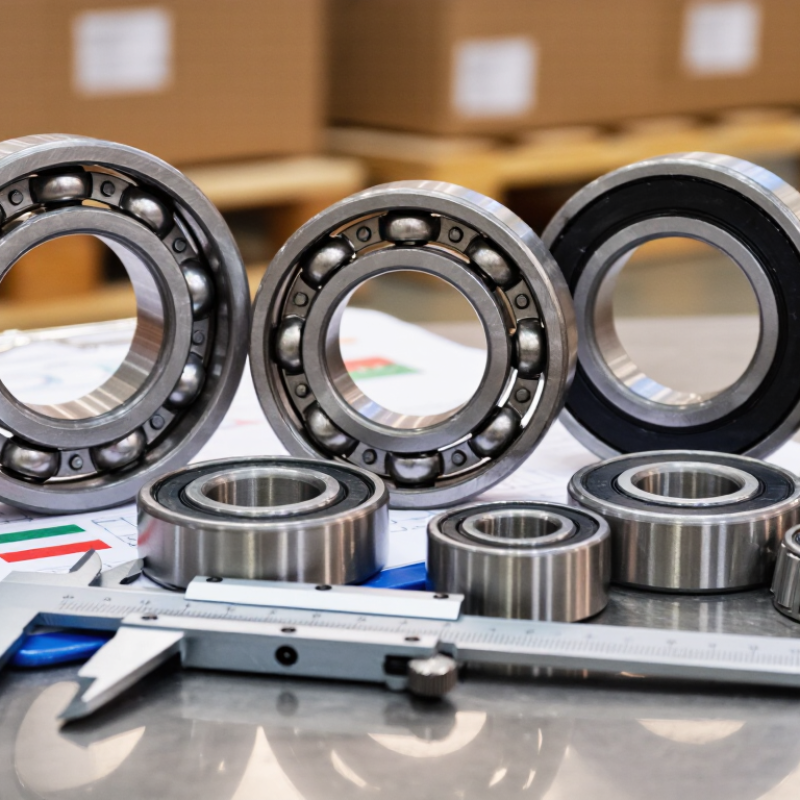
A standard 6200 bearing is identified by its 10 × 30 × 9 mm dimensions. The 10 mm bore fits the shaft, while the 30 mm outside diameter fits the housing. Its 9 mm width affects axial space and installation depth. These measurements provide a reliable starting point when searching global inventory.
Do not rely on the number alone. Seals, shields, internal clearance, cage material, and accuracy class can change the correct selection. Check the shaft and housing condition before ordering. A worn shaft may create vibration, even with a correctly sized bearing. Ask suppliers to confirm available quantity, manufacturing traceability, storage condition, and dispatch time. Live inventory is useful, but it can change before payment.
Tips: Measure with a calibrated vernier caliper, and record all three dimensions. Compare the bearing drawing with the machine manual. Request clear photos of labels and packaging when buying across borders. A rushed measurement can mislead. I have found that width is often overlooked, especially in compact assemblies. Do not assume every 6200 bearing has identical sealing or clearance. Verify the suffix and application requirements before placing a worldwide stock order.
Match Load and Speed Needs Using ISO 281 Bearing-Life Ratings
When searching for 6200 series bearings in stock worldwide, availability should not be your only filter. The bearing must also match the machine’s load and speed demands. ISO 281 provides a practical method for estimating basic rating life. Its L10 life represents the number of revolutions that 90% of identical bearings can complete under defined conditions. It is not a guaranteed service period.
For a typical ball bearing, calculate life with L10 = (C/P)³, where C is the dynamic load rating and P is the equivalent dynamic load. A small increase in load can sharply reduce operating life. Convert revolutions into hours using shaft speed. For example, continuous operation at 1,800 rpm produces far more cycles than intermittent service. Speed alone does not determine ISO 281 life. It also affects heat, lubrication, and seal performance. That distinction is often missed.
Tips: Confirm the actual radial and axial loads, not just the motor rating. Check the required bore, outside diameter, width, internal clearance, seals, and operating temperature. Ask suppliers to verify stock quantity, manufacturing date, packaging condition, and traceable test documents. In practice, catalog ratings may not reflect vibration, contamination, or poor alignment. A calculation can look precise while the real installation remains uncertain. Review the result against field experience before selecting a large production quantity.
Search Global Distributor Inventories by 6200 Suffix and Quantity
How to Find 6200 Series Bearings In Stock Worldwide?
Searching by “6200” alone is rarely enough. The suffix defines important details, including seals, clearance, cage material, and lubrication. Add the exact suffix and required quantity to each search. For example, compare 6200-2RS, 6200-ZZ, and 6200-C3 separately. A distributor may show 40 pieces online, but only 12 may be physically
How to Find 6200 Series Bearings In Stock Worldwide?
Search global distributor inventories by 6200 suffix and quantity, then verify the standard bearing dimensions before placing an order.
The chart compares the standard outside diameter and width of common 6200-series deep-groove ball bearings. Dimensions are shown in millimetres and follow commonly published ISO metric bearing size references. Use the bearing suffix, required quantity, sealing configuration, clearance, and delivery region when checking worldwide stock.
Verify Stock with Lot Traceability and ISO 9001 Supplier Records
How to Find 6200 Series Bearings In Stock Worldwide?
Finding 6200 series bearings worldwide requires more than checking an online quantity. A warehouse may list stock that is reserved, outdated, or awaiting inspection. Ask suppliers for the exact quantity, storage location, production date, and dispatch timeline. Request a recent inventory photograph with visible packaging labels. This small step can expose inaccurate listings. I once trusted a spreadsheet too quickly. The stated quantity was correct, but half the units belonged to another lot.
Tips: Request lot numbers, inspection records, and certificates before placing a large order. Match every document with the quotation. Check whether the supplier follows ISO 9001 procedures, including purchasing controls, inspection, nonconformity handling, and record retention. ISO 9001 alone does not guarantee bearing quality. It shows that documented processes exist. Independent verification still matters.
Lot traceability should follow each bearing from receipt to shipment. Reliable records should identify the manufacturer’s stated specifications, batch reference, inspection date, and storage conditions. For urgent international sourcing, confirm export documents, packaging protection, and local delivery arrangements. Ask whether partial shipments are possible. They may reduce downtime, but mixed lots can complicate installation records. Compare dimensions, clearance, seal type, and material requirements with your equipment drawings. A low price is not useful if the bearing fails during commissioning. Suppliers should answer technical questions clearly and provide records without unexplained gaps.