Top 10 Imported Bearings Domestic Alternatives For Better Quality?
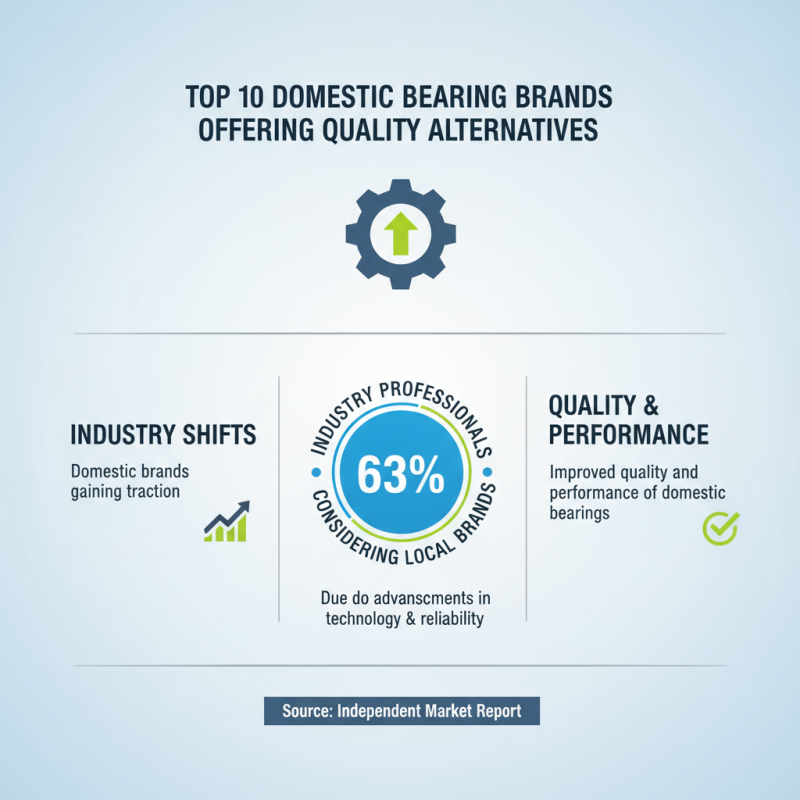
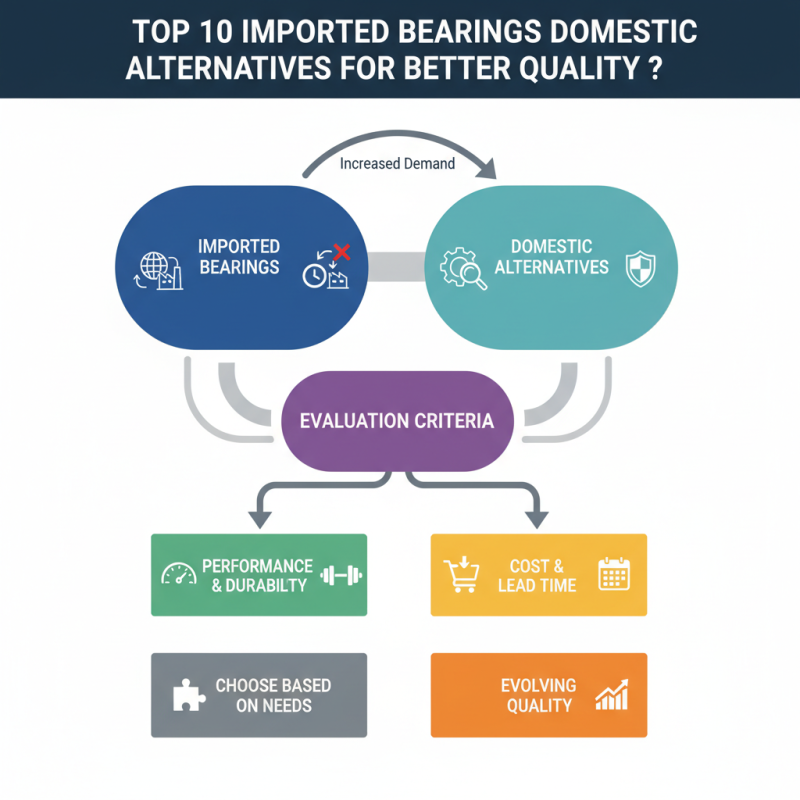
In recent years, the demand for bearings has steadily increased. Many industries rely on imported bearings, known for their quality. Yet, this reliance sometimes raises concerns over long lead times and high costs. To address these challenges, "Imported Bearings Domestic Alternatives" have emerged as viable solutions. These alternatives aim to offer both quality and performance, often at a reduced price.
Some domestic brands have invested in advanced technology and manufacturing techniques. They prioritize quality control and customer feedback. This commitment enhances their reputation in the market. While imported bearings may have historical reliability, domestic options are evolving quickly to compete. However, not all domestic alternatives meet high standards.
Investing in domestic alternatives requires careful consideration. Some may not deliver the same level of quality as top imported brands. It's essential to evaluate each option based on performance and durability. This reassurance builds trust in domestic products. Ultimately, the choice between imported and domestic bearings should be informed by specific application needs and quality expectations.
Overview of the Importance of Bearings in Various Industries
Bearings play a critical role across diverse industries. They reduce friction and support rotating components. This ensures equipment operates smoothly, leading to increased efficiency. According to a report by the International Journal of Engineering Research and Applications, up to 60% of mechanical failures relate to bearing issues. Proper selection and maintenance are essential for optimal function.
Industries relying on bearings include automotive, aerospace, and manufacturing. Nearly 38% of industrial machinery downtime stems from bearing failure. In the automotive sector alone, proper bearing performance can enhance fuel efficiency by more than 5%. This has significant implications for both environmental impact and cost savings. The importance of high-quality bearings cannot be overstated.
However, it’s crucial to acknowledge challenges in sourcing bearings. The market is flooded with options, yet not all meet stringent quality standards. Many imported bearings fail to deliver expected performance. This creates a dilemma for industries seeking reliable solutions. Adopting alternatives can enhance performance but requires careful evaluation of specifications and manufacturer reliability.
Top 10 Imported Bearings Domestic Alternatives For Better Quality
| Bearing Type |
Material |
Application |
Load Capacity (kg) |
Temperature Range (°C) |
| Deep Groove Ball Bearing |
Steel |
Electric Motors |
500 |
-20 to +100 |
| Tapered Roller Bearing |
Chrome Steel |
Automotive |
800 |
-20 to +120 |
| Angular Contact Ball Bearing |
Ceramic |
High-Speed Spindles |
300 |
-40 to +150 |
| Spherical Roller Bearing |
Alloy Steel |
Heavy Machinery |
1500 |
-30 to +110 |
| Needle Roller Bearing |
Stainless Steel |
Bicycles |
250 |
-20 to +90 |
| Thrust Roller Bearing |
Bronze |
Marine Applications |
400 |
0 to +80 |
| Self-Aligning Ball Bearing |
Carbon Steel |
Agricultural Equipment |
600 |
-10 to +100 |
| Journal Bearing |
Polymer |
Textile Machines |
200 |
-20 to +60 |
| Magnetic Bearing |
Magnetic Materials |
High-Speed Turbines |
Varies |
-40 to +200 |
| Fluid Film Bearing |
Bronze |
Engine Components |
1000 |
-30 to +100 |
Common Types of Imported Bearings and Their Applications
Imported bearings play a crucial role in various industries. They are used in applications ranging from automotive to machinery. The demand for high-quality bearings is significant. According to a recent industry report, the global bearing market is expected to reach $90 billion by 2025. This underscores the importance of identifying reliable alternatives.
Common types of imported bearings include deep groove ball bearings, cylindrical roller bearings, and tapered roller bearings. Each type has specific applications. Deep groove ball bearings are widely used due to their versatility. They can function well in high-speed and light-load conditions. Alternatively, cylindrical roller bearings are preferred for heavy loads. Their design allows for superior radial load capacity. Tapered roller bearings excel in applications requiring axial and radial support. Understanding these applications is vital to make informed choices.
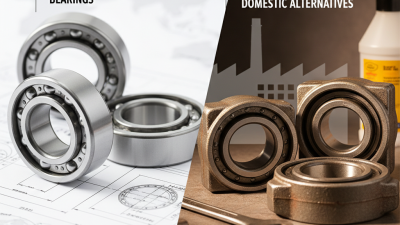
While many industries rely on imported bearings, domestic options are showing promise. However, quality can vary greatly. Some local alternatives may not deliver the same level of performance. Flaws may exist in material selection or manufacturing processes. Companies need to assess these risks carefully. Relying solely on imported products can lead to supply chain vulnerabilities. Balancing domestic and imported options can enhance reliability and performance.
Key Factors to Consider When Choosing Domestic Alternatives
When selecting domestic alternatives to imported bearings, several key factors play an essential role. Quality control is paramount. A study by the Bearing Manufacturers Association indicated that low-cost alternatives often lack adherence to quality standards. Therefore, examining manufacturer certifications and compliance with ISO and ASTM standards can help ensure product reliability.
Additionally, consider the sourcing materials. Bearings made from high-quality steel, such as AISI 52100, show improved fatigue resistance and longer life spans. Reports indicate that domestic manufacturers invest heavily in research and development to enhance material properties. Investing in advanced manufacturing techniques, like vacuum heat treatment, can also contribute to the overall performance of the bearings.
Tip: Always ask for sample tests prior to bulk orders. This allows you to evaluate performance metrics, ensuring you choose the most reliable options.
Another critical aspect is customer support. Reliable manufacturers offer timely assistance and technical guidance. The right support can significantly reduce downtime in applications. Participating in industry forums can provide valuable insights on the best domestic alternatives.
Tip: Connect with peers to share experiences on different manufacturers. First-hand feedback can lead you to the best quality choices available.
Performance Comparison of Domestic Bearing Alternatives
Comparative Analysis: Imported vs. Domestic Bearing Performance
When comparing imported and domestic bearings, performance plays a vital role. Imported bearings often promise high precision and durability. However, many domestic alternatives can match or even exceed these expectations. Understanding the nuances is essential for making informed choices.
Imported bearings typically feature advanced technology. They may excel in specific applications and offer extensive testing data. Yet, domestic bearings are improving significantly. They focus on quality materials and craftsmanship, making them reliable for various uses. Companies are investing in local production to enhance performance significantly.
Tips for choosing the right bearings: Look for certifications that assure quality. Study the materials used in construction, as they affect longevity. Review feedback from users based on real-world applications. This can reveal potential issues before purchase. Ultimately, aligning your needs with the right product is crucial, whether you choose domestic or imported options.