Top Tips for Choosing the Right Tapered Roller Bearings Supplier?
Choosing the right Tapered Roller Bearings Supplier can significantly impact your business operations. As expert John Smith, a leading figure in the bearings industry, wisely notes, “The right supplier can enhance your productivity and reliability.” This emphasizes the importance of making an informed choice.
When selecting a supplier, consider their experience and reputation. Not all suppliers provide the same quality. A well-established supplier often has proven products. Customer reviews can also offer valuable insights.
However, many businesses overlook overlooked aspects, such as customer service and support. A supplier's ability to respond to inquiries promptly can make a difference. Establishing a solid partnership with your chosen Tapered Roller Bearings Supplier is essential. It may require time and careful evaluation, but the right match will lead to long-term success.
Understanding Tapered Roller Bearings and Their Applications
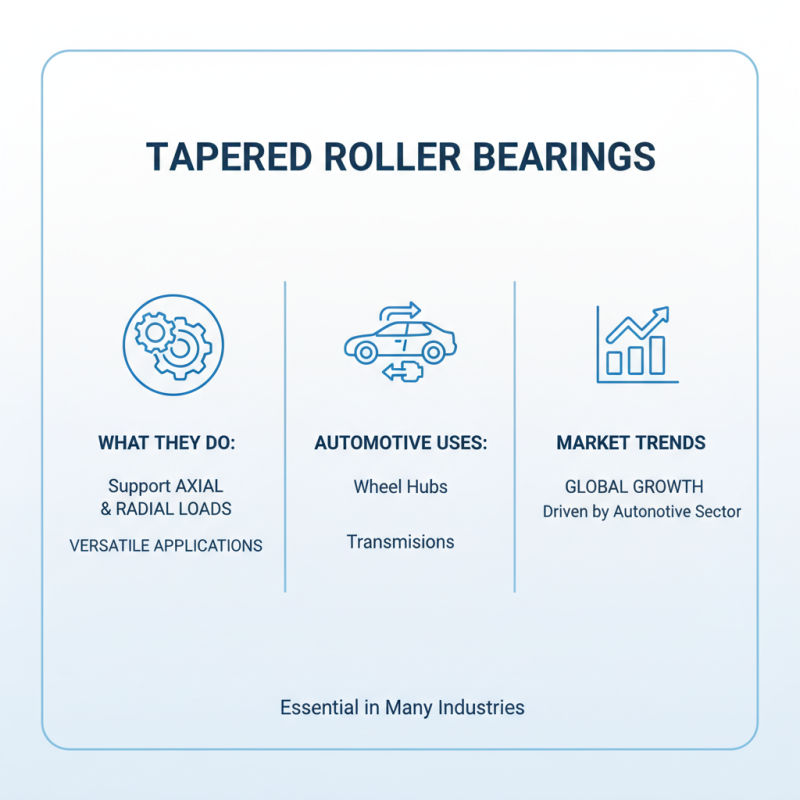
Tapered roller bearings are essential in many industries. They support axial and radial loads, making them versatile in use. In automotive applications, for example, they are crucial for wheel hubs and transmissions. According to a recent industry report, the global tapered roller bearing market is projected to grow steadily, driven mainly by the automotive sector.
Tip: Evaluate the supplier's knowledge of tapered roller bearings. A strong understanding of applications helps in choosing the right products. Examine their expertise and service offerings.
The design features of tapered roller bearings contribute to their ability to handle heavy loads. The tapered shape allows for effective load distribution. However, there are challenges, such as ensuring proper installation and maintenance. Regular inspections can prevent performance issues, which can be costly.
Tip: Always check for quality certifications when selecting suppliers. This can ensure you receive the best products available in the market. Addressing these factors early can increase reliability and lifespan.
Key Factors to Consider When Choosing a Supplier
Choosing the right tapered roller bearings supplier is crucial for ensuring quality and reliability in your operations. Key factors to consider include the supplier's experience, reputation, and product range. Industry reports show that the bearing market is projected to reach $50 billion by 2025, highlighting the growing demand for high-quality components.
One important tip is to assess the supplier's experience in your specific industry. A supplier with years of expertise will likely understand the nuances of tapered roller bearings better. They will provide guidance on materials and designs suited for your applications.
Another consideration is the supplier's quality control processes. Look for data on their failure rates and customer satisfaction scores. According to a recent study, 35% of manufacturers reported issues with bearing failures due to subpar suppliers. Ensure the supplier conducts regular testing and adheres to international standards.
Finally, don’t overlook customer support. A supplier that offers comprehensive technical support can help you troubleshoot problems more effectively. When a supplier is responsive and knowledgeable, it can make a significant difference in your experience. Always reflect on these factors to ensure you make an informed decision.
Evaluating Supplier Reputation and Experience
When evaluating a supplier for tapered roller bearings, reputation is crucial. A strong reputation often reflects reliable products. Check online reviews and testimonials from previous customers. Look for feedback on performance and durability. A supplier with a solid track record can be a strong indicator of future success.
Experience also plays a significant role. Suppliers with years in the industry usually have valuable insights. They understand market trends and can offer tailored solutions. Ask potential suppliers about their experience in your specific sector. This detail may reveal their expertise in your application. However, don’t overlook newer suppliers. They might offer innovative solutions or competitive pricing. Balance your assessment between established names and fresh entrants.
A supplier's engagement in regular communication is essential. It shows their commitment to client satisfaction. Ask about their support services. Quick responses can signal good customer care. However, don’t hesitate to question their processes. If they hesitate or seem unsure, it might raise red flags. Transparent dialogues can help you make a well-informed decision.
Analyzing Product Quality and Compliance Standards
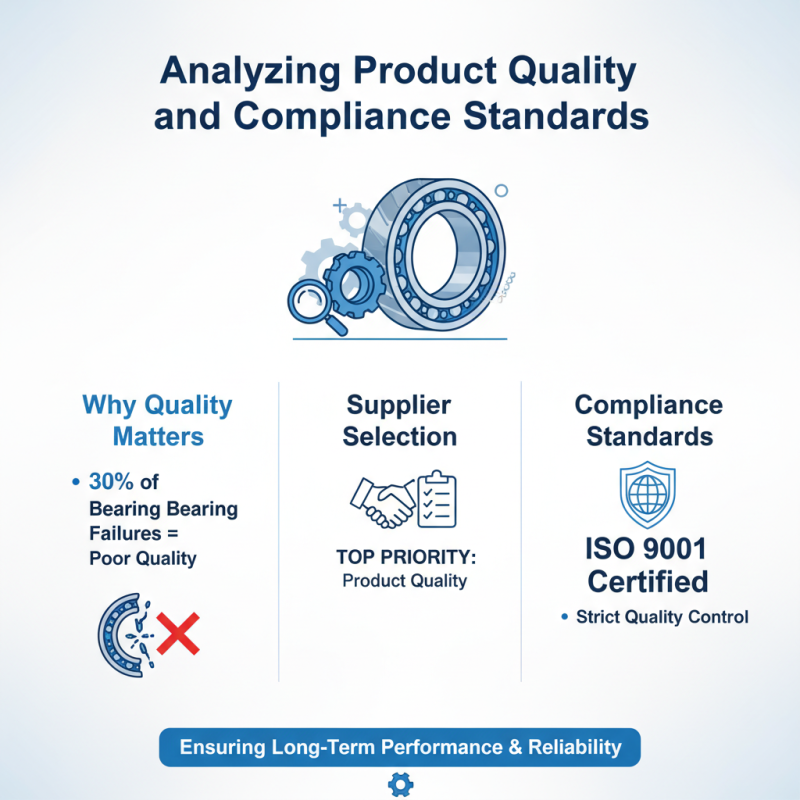
When selecting a supplier for tapered roller bearings, product quality must be a top priority. According to a recent industry report, nearly 30% of bearing failures are linked to poor manufacturing quality. Thus, it’s essential to analyze how a supplier ensures compliance with international quality standards such as ISO 9001. This standard focuses on maintaining strict quality control processes, which are crucial for long-term performance.
Beyond certification, examining the materials used can reveal much about a supplier's commitment. Quality steel and precise heat treatment processes contribute significantly to the lifespan of tapered roller bearings. A 2022 survey indicated that nearly 45% of mechanical failures in applications stemmed from subpar materials. This suggests that not all suppliers prioritize high-grade materials, and that could lead to costly downtimes.
While paperwork may look good, actual performance matters more. Requesting test results or independent reviews can help assess real-world performance. Sometimes, suppliers may provide less information than expected, prompting doubts about their transparency. It's a red flag if a supplier is vague about compliance or quality details. A thorough evaluation of these aspects can reveal insights into the supplier's overall capability.
Assessing Customer Service and Support Options
When selecting a tapered roller bearings supplier, customer service plays a crucial role. A responsive support team can save you time and frustration. It's important to gauge how quickly they respond to inquiries. Timely replies indicate a reliable partner. Look for suppliers with dedicated personnel to assist with your queries.
Ask about their technical support capabilities. Can they provide guidance during installation? This is vital for avoiding costly mistakes. Also, consider the availability of product documentation. Clear instructions can significantly impact your project's success. Ensure the supplier offers accessible support channels, whether by phone or email.
Consider feedback from other clients too. User reviews and testimonials reveal insights into their service quality. Some suppliers might have perfect products but lack in customer care. Are they easy to reach when issues arise? Fewer touchpoints might mean a lack of attention. Identify suppliers who prioritize communication and offer robust after-sales support.