Top 10 Bearing Brands in China for Global Buyers?
The bearing industry in China has grown significantly. It attracts global buyers seeking quality and reliability. Among the top industry experts, Dr. Chen Wei emphasizes, "The Top 10 Bearing Brands in China define the future of engineering." His insight underscores the importance of these brands in global markets.
China's leading bearing brands offer diverse products. They cater to various sectors, from automotive to industrial machinery. Buyers must consider quality, innovation, and customer service. However, some brands struggle with consistency. This inconsistency can affect overall trust. The challenge lies in balancing cost with exceptional performance.
As global markets evolve, the bearing industry must adapt. Understanding the Top 10 Bearing Brands in China is essential for informed decisions. Yet, the perception of quality must be scrutinized. Continuous improvement is a necessity.
Overview of the Bearing Industry in China
The bearing industry in China has experienced significant growth in recent years. As one of the largest manufacturers globally, China produces a wide variety of bearings. These products serve numerous industries, including automotive, aerospace, and machinery. This growth is driven by investments in technology and innovation.
However, challenges persist. Many manufacturers grapple with quality assurance and standards. Ensuring consistent product quality remains a struggle for some companies. This inconsistency can impact international buyers’ trust. The competition is fierce, and not all companies meet global standards.
Additionally, environmental regulations are tightening. Some manufacturers are investing in sustainable practices, but many still lag behind. This could affect their market position in the long run. As global demands evolve, so must the industry. Adopting advanced technologies will be crucial for future success.
Criteria for Evaluating Bearing Brands
When evaluating bearing brands, several key criteria emerge. Quality and performance are vital. Buyers must consider the materials used in manufacturing. High-quality steel and advanced engineering typically lead to better durability. A thorough understanding of these elements helps in making informed choices.
Next, reliability stands out. Researching brand history offers insights into their long-term performance. Look for user reviews and case studies as they provide real-world evidence of reliability. Customer service also plays a role; responsive support can significantly enhance user experience.
Price cannot be overlooked. While low prices may be appealing, they can indicate compromised quality. An effective balance between cost and reliability is essential. Evaluating warranties offers further confidence. However, not all brands provide warranties, which may require additional scrutiny. By focusing on these aspects, buyers can make better decisions in choosing the right bearing brand.
Top 10 Bearing Brands in China for Global Buyers
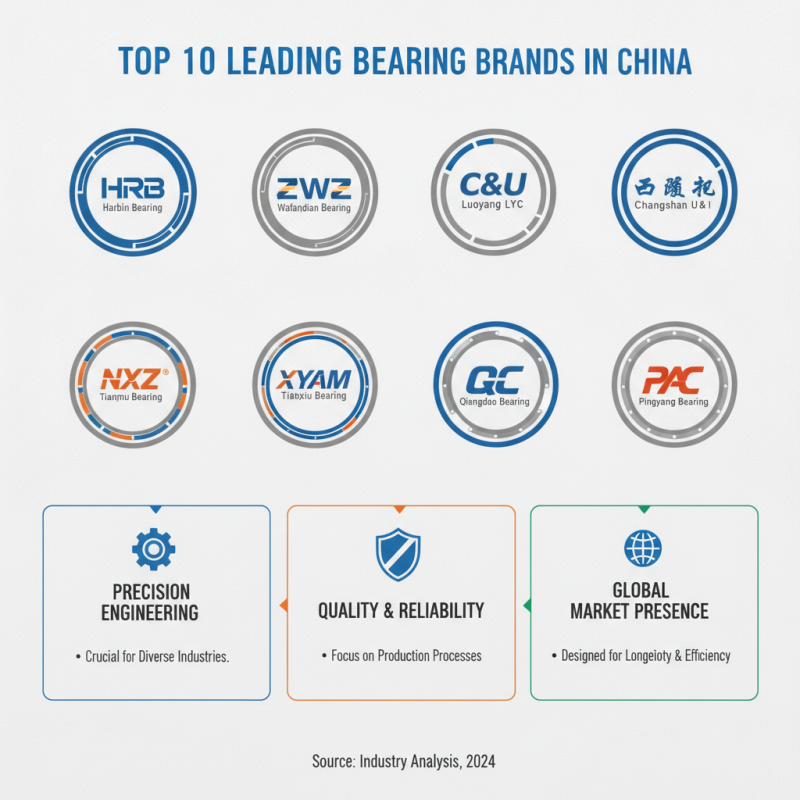
Top 10 Leading Bearing Brands in China
China is home to a variety of leading bearing brands, each with distinct advantages. These brands often focus on precision engineering, which is crucial for diverse industries. Many manufacturers prioritize quality and reliability in their production processes. Their bearings are designed for longevity and efficiency, making them popular in global markets.
In recent years, some brands have set themselves apart through innovation. They invest in research and development to enhance performance. New materials and technologies are being integrated into their products. However, not all brands have the same level of consistency. Some may struggle with quality control, leading to concerns among buyers. It is essential for global buyers to do thorough research.
Additionally, some brands have faced challenges in supply chain logistics. Delays can occur, impacting delivery schedules. Buyers should be prepared for potential fluctuations in availability. Despite these challenges, many Chinese brands continue to expand their presence worldwide. This reflects not only their dedication but also the growing demand for quality bearings.
Unique Features of Each Brand
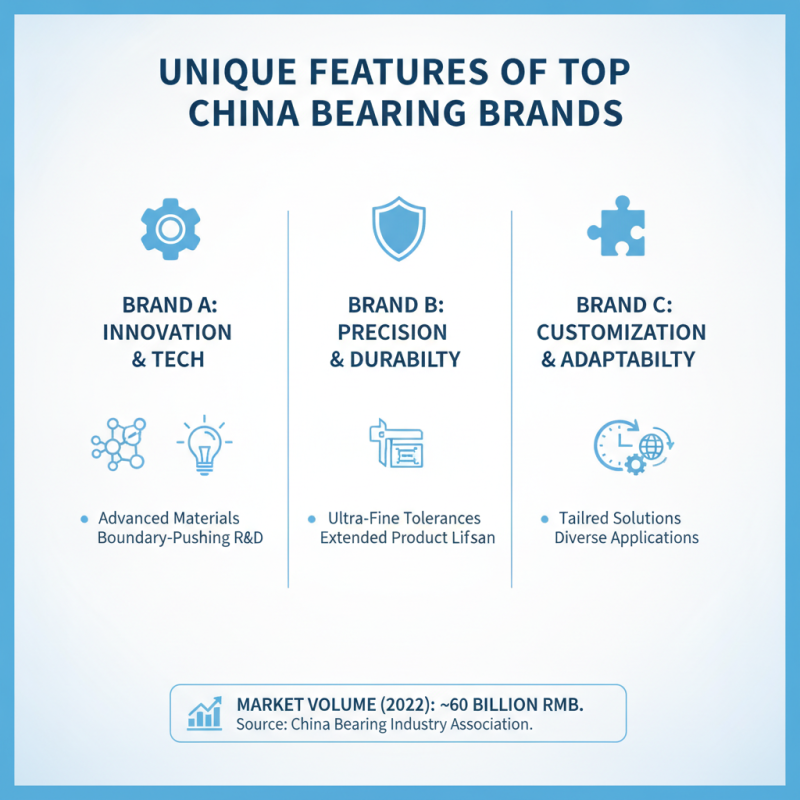
When exploring the top bearing brands in China, unique features distinguish each player. The industry is marked by intense competition. Several brands prioritize innovation and technology, pushing boundaries in material science. A report by the China Bearing Industry Association states that the market volume reached approximately 60 billion RMB in 2022, highlighting the demand for quality products.
Many brands focus on durability and performance. They invest significantly in research and development. Advanced manufacturing processes are common, often featuring automated systems. For instance, high-quality bearings are produced with precision machining techniques that improve performance under extreme conditions. Some brands are also adopting eco-friendly practices, enhancing their sustainability profiles.
Despite these advancements, challenges remain. Quality control can be inconsistent across manufacturers. Buyers often face difficulties in identifying reputable suppliers. A reliable sourcing strategy is essential in this evolving market. Understanding the specific applications, whether industrial or automotive, helps ensure that the right bearings are selected. As reports suggest, the market will continue to grow, driven by innovation and increased demand across multiple sectors.
Market Trends and Future Outlook for Chinese Bearings
The bearing industry in China is witnessing significant shifts. Major drivers include increasing automation and the push for sustainable manufacturing. Global buyers are keen on looking for reliable sources of quality bearings. The demand for advanced technological solutions is on the rise. This trend reflects the growing emphasis on efficiency and performance in various industrial sectors.
China’s bearing market will likely expand further. Companies are investing in research and development. This dedication aims to enhance product performance and durability. However, navigating this evolving landscape can be challenging. Not all manufacturers maintain the same standard of quality. Thus, due diligence is essential before any purchasing decisions.
Tips: Always evaluate suppliers carefully. Look for certifications that ensure quality standards. Prioritize manufacturers that offer warranties. This can indicate confidence in their products. Collaborating with trusted partners can streamline your supply chain. Always stay informed about market trends to make educated choices.
Top 10 Bearing Brands in China for Global Buyers
| Rank |
Bearing Type |
Market Share (%) |
Annual Revenue (Billion USD) |
R&D Investment (Million USD) |
| 1 |
Ball Bearings |
15% |
1.2 |
250 |
| 2 |
Roller Bearings |
12% |
0.95 |
200 |
| 3 |
Needle Bearings |
10% |
0.8 |
150 |
| 4 |
Thrust Bearings |
8% |
0.65 |
100 |
| 5 |
Ceramic Bearings |
7% |
0.5 |
75 |
| 6 |
High Speed Bearings |
6% |
0.4 |
60 |
| 7 |
Magnetic Bearings |
5% |
0.35 |
55 |
| 8 |
Fluid Bearings |
4% |
0.25 |
50 |
| 9 |
Split Bearings |
3% |
0.2 |
30 |
| 10 |
Plastic Bearings |
2% |
0.15 |
20 |