Top 10 Bearing Technical Consultation Services You Must Know?
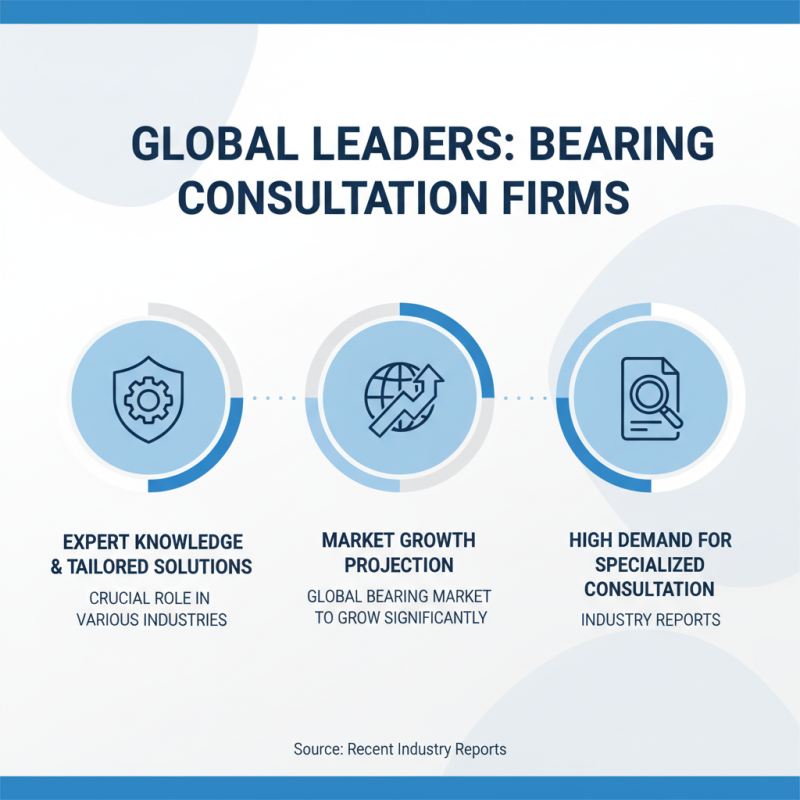
In today's industrial landscape, efficient machinery relies heavily on the performance of bearings. Bearing Technical Consultation Services have emerged as a vital resource for manufacturers. They provide expert guidance, ensuring optimal bearing selection and maintenance strategies.
Choosing the right service can be daunting. A variety of technical consultants offer differing levels of expertise. Each brings unique insights into bearing performance and longevity. Expert consultations can prevent significant downtime and costly repairs. Many companies overlook the importance of tailored consultation, focusing instead on generic solutions.
Without the right guidance, companies may struggle with bearing failures and inefficiencies. Understanding the value of professional advice is crucial. The right Bearing Technical Consultation Services can enhance productivity and extend equipment life. As industries evolve, the demand for reliable consultation services continues to grow.

Essential Criteria for Selecting Bearing Technical Consultation Services
When selecting bearing technical consultation services, consider several essential criteria. The experience of the consultants is critical. Ensure they possess a strong background in the bearing industry. This experience enhances their ability to provide practical solutions and insights. Look for consultants who demonstrate deep technical knowledge. They should understand various bearing types and their specific applications in different industries.
Expertise alone is not enough. Reliability and authority are also vital. Check for certifications or affiliations with recognized industry organizations. These credentials often indicate a commitment to high standards. It’s also important to assess their communication skills. Can they explain complex concepts clearly? A good consultant should simplify technical jargon for better understanding.
Another factor to ponder is client feedback. Look for testimonials or case studies. They can provide insight into how the consultant performs under real-world conditions. Be wary of any service that lacks transparency. If a consultant hesitates to share past experiences, it may signal deeper issues. Always ask for specific examples of their problem-solving approaches. This exploration will help you gauge their ability to meet your needs effectively.
Top 10 Bearing Technical Consultation Services You Must Know
| Service Type |
Expertise Level |
Response Time |
Customer Satisfaction |
Cost |
| Design Consulting |
High |
24 hours |
4.8/5 |
$200/hr |
| Failure Analysis |
Medium |
48 hours |
4.5/5 |
$150/hr |
| Field Services |
High |
72 hours |
4.7/5 |
$250/hr |
| Technical Training |
Medium |
1 week |
4.9/5 |
$300/course |
| Regulatory Compliance |
High |
1 month |
4.6/5 |
$350/hr |
| Quality Control |
Medium |
48 hours |
4.3/5 |
$180/hr |
| Supplier Evaluation |
Medium |
1 month |
4.4/5 |
$220/hr |
| Product Testing |
High |
2 weeks |
4.8/5 |
$400/test |
| Research and Development |
High |
3 months |
4.9/5 |
$500/hr |
| Maintenance Planning |
Medium |
1 month |
4.5/5 |
$260/hr |
Key Services Offered by Top Bearing Technical Consultants
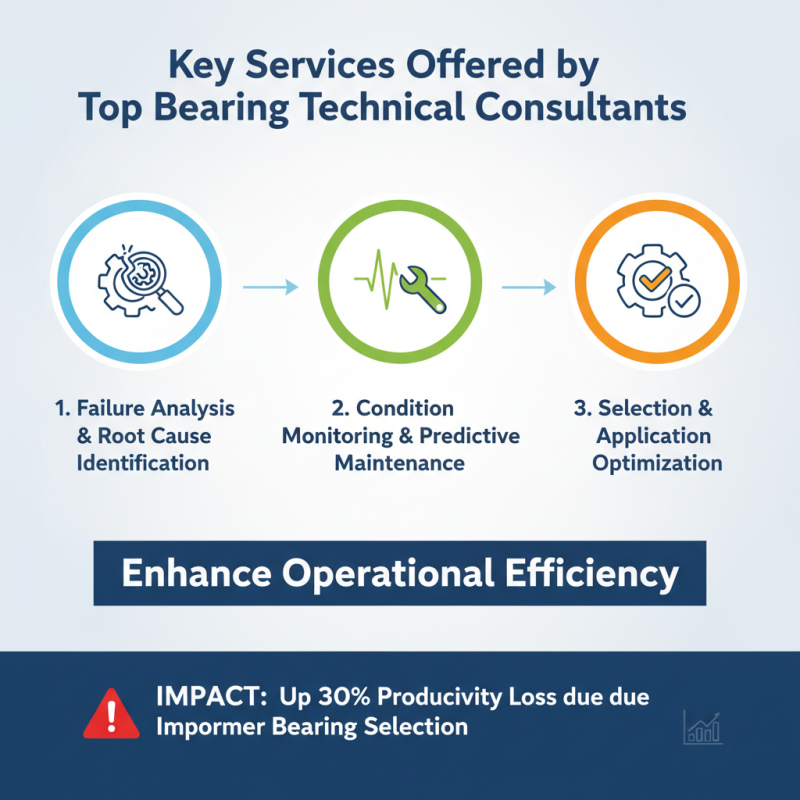
Bearing technical consultation services play a pivotal role in industries that rely on these critical components. These consultants provide essential insights into selecting and maintaining bearings effectively. Key services often include failure analysis and condition monitoring. These services help identify potential issues and enhance operational efficiency. According to data from industry reports, improper bearing selection can lead to a productivity loss of up to 30%.
Another primary service offered by top consultants is design optimization. This involves analyzing existing designs to increase performance and reliability. Engineers often face challenges when selecting materials and geometries, which can impact performance and lifespan. Experts argue that a well-designed bearing system can reduce friction by up to 50%, ultimately extending service life and reducing downtime.
Moreover, training and support are critical services that help companies stay ahead. Technical consultants often provide training on best practices for installation and maintenance. Unfortunately, many companies overlook the need for ongoing education. This can result in higher failure rates and increased costs. Engaging with an experienced consultant can bridge this knowledge gap and significantly improve operational reliability.
Benefits of Utilizing Professional Bearing Consultation Services
When it comes to bearing technology, seeking professional consultation can make a huge difference. Expert guidance helps in identifying the right bearings for specific applications. This minimizes downtime and enhances overall machinery performance. Skilled consultants bring years of experience and knowledge, crucial for optimal selection and troubleshooting.
Utilizing these services delivers several benefits. First, they provide objective assessments, ensuring you get unbiased advice. This can lead to cost savings by preventing unnecessary purchases. Additionally, experts often stay updated with the latest developments in the industry. Their insights can guide you toward innovative solutions or alternatives that might not be immediately apparent.
Tips: When choosing a consultant, verify their qualifications and past work. Ask for references to gauge their reliability. Regular follow-ups can also enhance your understanding. Engaging with consultants fosters a collaborative atmosphere, leading to thorough solutions. You might discover that what seems perfect initially may not meet long-term needs. Always be open to revisiting your choices to ensure ongoing efficiency.
Emerging Trends in Bearing Technology and Consultation Practices
Emerging trends in bearing technology highlight significant advancements in materials and design strategies. Recent studies indicate that over 30% of industrial applications now utilize ceramic and hybrid bearings. These materials enhance performance and longevity, offering a sustainable alternative. Businesses adopting these innovations have reported efficiency gains of approximately 20%. The shift toward electric and hybrid vehicle manufacturing further amplifies the demand for high-performance bearings.
Utilizing digital twins in bearing design is another trend showing promise. This technology allows engineers to simulate real-world conditions, leading to optimized performance before production. Reports suggest companies employing this approach can reduce product development time by 25%. Regular training in these new technologies is essential for engineers and technical consultants to remain competitive in the marketplace.
**Tip:** Stay updated with industry reports and training. Joining professional forums can provide valuable insights into emerging trends. Networking with peers can also help in understanding best practices. As technology evolves, reflection on current practices is key to adaptation. Emphasizing continual learning will prepare your team for future challenges in bearing design.
Top 10 Bearing Technical Consultation Services