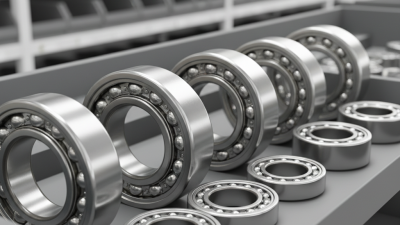
Choosing the right bearings is crucial for success in the EU market. CE Certified Bearings for EU Market ensure compliance with essential safety standards. They are not just about quality; they represent reliability and trustworthiness.
When selecting bearings, it's vital to consider several factors. The material strength, design, and performance under load play a significant role. Moreover, understanding the regulatory requirements is essential. Manufacturers must navigate complex regulations. This can be daunting, leading to poor choices if not properly evaluated.
The landscape of bearings can sometimes be confusing. Many options may appear similar at first glance. Yet, distinctions in certifications and specifications make all the difference. Awareness of these details can prevent costly mistakes. It's crucial not to rush this decision. Careful selection will ultimately enhance product safety and market competitiveness.
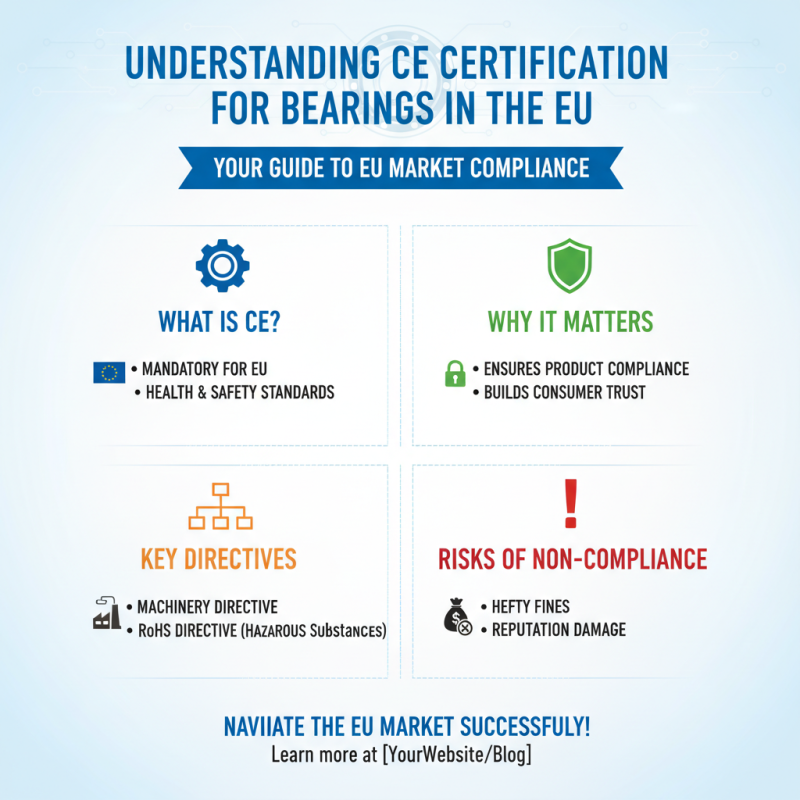
CE certification is vital for bearings sold in the EU market. It ensures products meet health and safety standards. Understanding the requirements can help manufacturers navigate compliance. The certification process involves several directives, such as Machinery Directive and RoHS. Failing to comply can lead to hefty fines and damage to brand reputation.
When choosing CE certified bearings, consider the manufacturer’s expertise. Look for suppliers with a proven track record. Their experience will reflect the quality of their products. Ensure the bearings meet specific EU regulations. This verification can save time and costs in the long run.
Another tip is to examine the documentation accompanying the product. Proper CE marking should be clearly visible. Verify if the Declaration of Conformity is available and up to date. This document can provide confidence in the product's safety and reliability. Avoid manufacturers that cannot provide this information easily. Trustworthy suppliers prioritize transparency in their operations.
When selecting CE certified bearings for the EU market, understanding the key factors is crucial. Compliance with safety standards is mandatory. According to a report from the European Commission, over 30% of bearing failures result from non-compliance. These failures can lead to significant operational disruptions. Always verify that the bearing meets CE marking requirements. This ensures adherence to essential health and safety standards.
Material quality impacts longevity and performance. For instance, stainless steel bearings usually exhibit enhanced corrosion resistance. The right materials can reduce maintenance costs by up to 20%, as noted in industry analyses. Moreover, consider the lubrication type. Proper lubrication reduces friction and extends bearing life. Some products now utilize innovative synthetic lubricants, offering superior performance under extreme conditions.
Lastly, evaluate the manufacturer's reputation. Research shows that products from well-regarded manufacturers tend to last longer. However, this isn't a guarantee. Issues like improper installation can negate the quality of even the best bearings. Engage with experienced professionals who understand the complexities of bearing selection. Their insights can guide you through this process.
Choosing CE certified bearings for the EU market requires careful consideration of material quality. The materials used directly impact durability. Common options include stainless steel and high-performance polymers. Both have advantages and limitations. Stainless steel offers strength, while polymers provide weight savings. Evaluating these materials can help manufacturers make informed choices.
Performance standards are equally critical. CE certification indicates compliance with EU safety and environmental regulations. Nonetheless, performance specifications vary. Some bearings may excel in temperature resistance, while others may focus on load-bearing capacity. Examine the intended application closely. Stress testing results and user reviews can reveal insights not found in brochures. Even well-reviewed products may have hidden drawbacks.
Material quality and performance go hand in hand. Look beyond the obvious features. Performance under real-world conditions often differs from controlled tests. Regular feedback from users highlights performance issues. A deeper understanding of both material and performance standards leads to better choices. It’s important to navigate this complex landscape to ensure reliability.
When choosing CE certified bearings, supplier reputation is critical. A supplier's standing in the industry can indicate reliability. Researching their track record helps assess their commitment to quality and safety. Look for suppliers with proven expertise in the bearing market. Trusted suppliers often have certifications that reinforce their credibility.
Compliance with EU regulations is non-negotiable. Bearings must meet specific standards to ensure safety and functionality. Suppliers should provide documentation showing adherence to these standards. Failure to comply can lead to liability issues. Examining a supplier’s compliance history can illuminate their dedication to product safety. Ask for references and testimonials from past clients.
It's essential not to overlook the importance of transparency. If a supplier is unwilling to share their compliance records, consider this a red flag. Engaging with suppliers who openly communicate their practices fosters confidence. Ultimately, the right supplier can greatly influence the quality of your bearings and your business's reputation in the EU market.
| Criteria | Description | Importance |
|---|---|---|
| Supplier Reputation | Consider suppliers with a strong market presence and positive reviews. | High |
| Compliance with Standards | Ensure products meet CE marking and other applicable standards. | Critical |
| Quality Assurance | Look for suppliers with ISO certifications or similar quality standards. | Very High |
| Product Testing | Check if the bearings undergo thorough testing for performance and durability. | Essential |
| After-sales Support | Evaluate the level of customer service and support provided post-purchase. | Important |
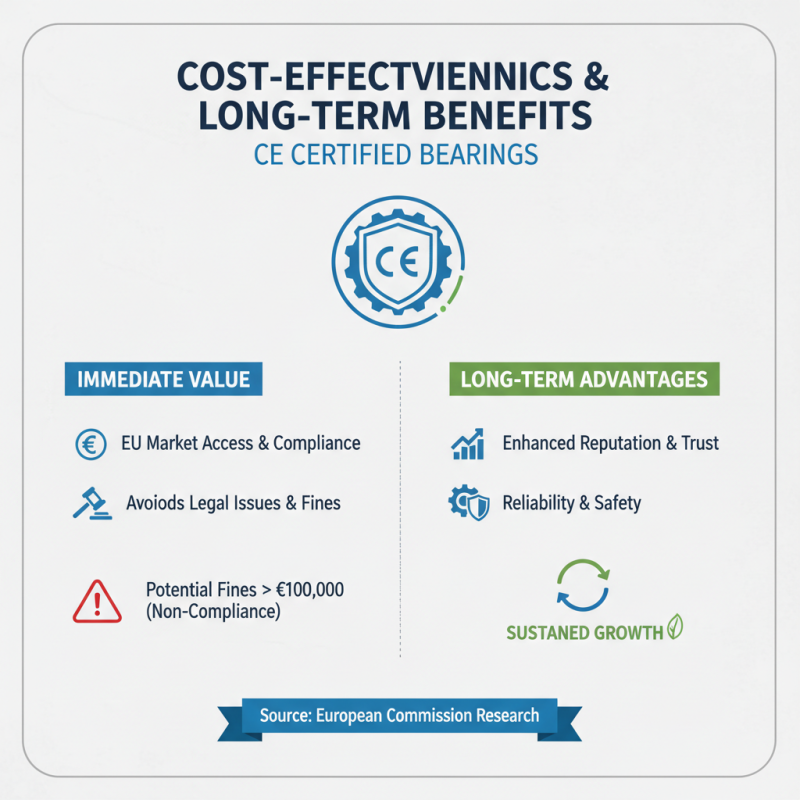
When choosing CE certified bearings for the EU market, assessing cost-effectiveness is crucial. CE marking indicates compliance with health, safety, and environmental requirements in Europe. This compliance can save companies from potential legal issues. According to research from the European Commission, non-compliance can result in fines exceeding 100,000 euros, and even worse, reputational damage.
Investing in CE certified bearings often leads to long-term benefits. A study by the European Bearings Manufacturers Association revealed that certified products show a 25% increase in durability compared to non-compliant alternatives. This durability translates to reduced maintenance costs and lower replacement frequency. Companies can optimize their operational efficiency through these long-term benefits.
However, achieving cost-effectiveness doesn't mean sacrificing quality. Some might prioritize cheaper options, but this can lead to poor performance and increased downtime. It's essential to weigh the initial expenses against potential long-term gains. Having proper certifications ensures that the products meet industry standards, ultimately leading to better investment returns. Balancing immediate budget constraints with future stability is a vital consideration for any business.