Leave Your Message

How to Maintain Bearings and Get After Sales Support?

Bearings rarely fail without warning, but early signs can be easy to miss. A rising operating temperature, unusual vibration, or a change in running noise deserves attention. Dirt and moisture matter, too. Small contaminants can damage rolling surfaces and shorten service life. Follow the equipment and bearing manufacturers’ instructions for lubrication, inspection intervals, installation, and operating limits. More grease is not always better. Record temperatures, vibration readings, lubricant changes, and replacement dates so gradual changes are easier to identify. These records can also help a technician diagnose a problem accurately.

Bearing Maintenance & After-Sales Support work best as one ongoing process, not separate tasks. Before contacting a supplier, note the bearing model, application, operating conditions, and symptoms. Photos and maintenance records may help clarify what has changed. Ask about troubleshooting, compatible replacement parts, warranty terms, and the information required to assess a claim. Response time matters. So does clear guidance. Keep written instructions and service notes for future reference, and confirm that any repair follows approved procedures. This guide explains practical maintenance habits and what to expect from after-sales support. Not every issue has an obvious cause; a checklist can help, but it cannot replace a qualified inspection when damage or unsafe operation is suspected.

How to Maintain Bearings and Get After Sales Support?

Identify the Bearing Type and Its Maintenance Requirements

How to Maintain Bearings and Get After Sales Support?

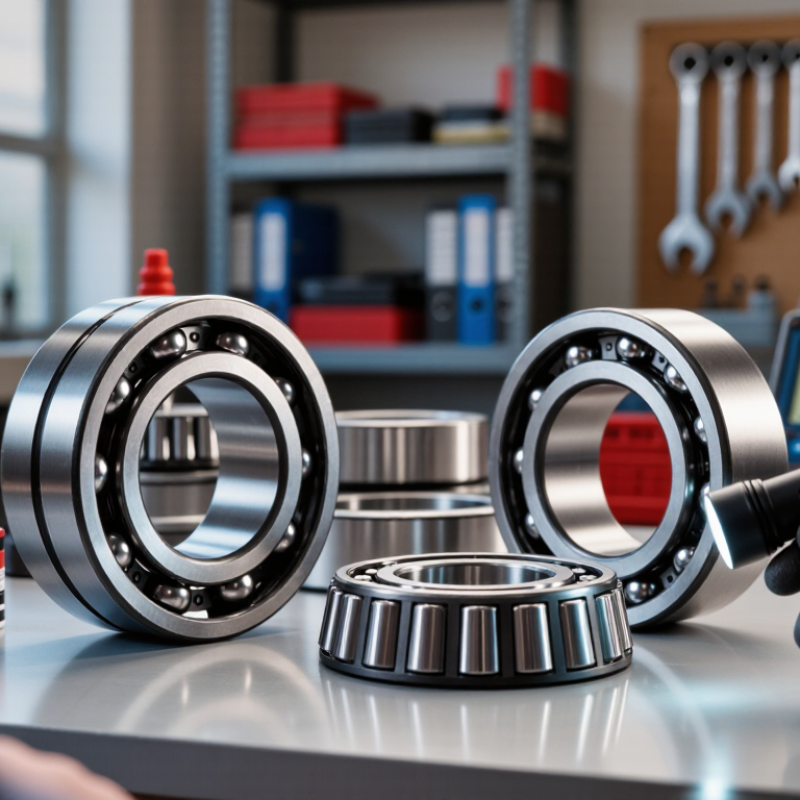
Identify the bearing before choosing a maintenance routine. Deep-groove ball bearings, tapered roller bearings, needle bearings, and plain bearings handle loads differently. Check the equipment manual, bearing markings, and housing shape; a photo can help when markings are worn. Small details matter. A tapered roller bearing may need a specific adjustment, while a sealed ball bearing is not meant for routine relubrication. It is tempting to assume all bearings need grease, but excess lubricant can raise operating temperature.

Look for the bearing’s specified lubricant, relubrication interval, clearance, and operating limits. These details depend on load, speed, heat, moisture, and dust. During inspection, note unusual noise, vibration, leakage, or a hot housing. Record the date and conditions, even if the notes feel incomplete. A simple log can reveal a gradual change that one quick check might miss. Keep it clean. Use suitable tools, and avoid forcing a bearing onto a shaft or into a housing.

Tips: Before contacting after-sales support, provide the bearing code, equipment model, operating hours, symptoms, and clear photos. Describe the lubricant used and recent temperature or vibration readings. If the type remains uncertain, pause before removing seals or adding grease. Ask support to confirm the correct maintenance procedure for your application.

Prepare the Work Area, Tools, and Safety Measures

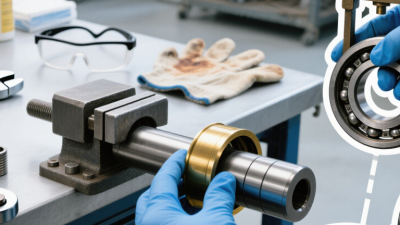
Before opening a bearing housing, clear a stable work area and cover replacement parts. Set out lint-free cloths, the correct puller, a calibrated torque tool, clean lubricant containers, and a parts tray. Separate clean tools from used ones. Provide ventilation, and keep solvents away from ignition sources. Isolate all energy sources, then verify the machine cannot start. A locked switch alone is not proof.

OSHA estimates that effective lockout/tagout practices prevent about 120 fatalities and 50,000 injuries each year. Its hazardous-energy guidance makes isolation and verification essential, not optional. Mark shaft positions and photograph shims before removal; one overlooked spacer can affect alignment. Wear eye protection and suitable gloves, but keep gloves away from exposed rotating parts. Record bearing identification, lubricant type, operating temperature, and unusual noise. These details help after-sales support teams assess the issue without guesswork.

Tips: Keep a clean tray for small parts. Label each item as it comes off. Save photos and maintenance notes for support requests. A tidy bench can still hide a washer; check before reassembly.

Clean, Lubricate, and Inspect Bearings at Recommended Intervals

Clean bearings at the intervals specified for the equipment, shortening them in dusty, wet, or high-temperature environments. Isolate the machine according to site procedures before opening a housing. Wipe exposed surfaces with a lint-free cloth; keep grit away from seals and rolling paths. Do not wash a sealed bearing or spin it with compressed air. Use only a cleaning method approved for its materials. Small mistakes matter.

Lubricate with the specified lubricant and quantity. Too little can cause metal contact; too much may raise temperature and force grease past seals. Record the date, lubricant type, and amount, then inspect for unusual noise, heat, vibration, leakage, or discoloration. A hand-held temperature reading beside the bearing can help reveal a change, but compare it with that machine’s normal baseline. The U.S. Department of Energy’s Operations & Maintenance Best Practices guide reports 25–30% lower maintenance costs and 70–75% fewer breakdowns for predictive-maintenance programs. These are broad program estimates, not guaranteed bearing-specific results. If the correct interval or lubricant is unclear, provide the equipment details and inspection notes when requesting technical support. Don’t guess.

How to Maintain Bearings and Get After Sales Support? - Clean, Lubricate, and Inspect Bearings at Recommended Intervals
Maintenance activity Typical interval Recommended practice Signs to check When to seek after-sales support
Check operating condition During routine equipment rounds; frequency depends on operating conditions Listen for unusual noise and check for abnormal vibration, temperature changes, or visible lubricant leakage. Record readings so changes over time can be identified. New or increasing noise, vibration, heat, or leakage Contact a qualified service provider if symptoms persist, worsen, or appear suddenly.
Clean external surfaces As needed, especially in dusty, dirty, or wet environments Remove dirt from accessible exterior surfaces with a lint-free cloth or suitable cleaning method. Keep contaminants away from seals and lubricant openings. Accumulated dust, moisture, or debris near the bearing or seals Ask for guidance if contamination may have entered the bearing or if the correct cleaning method is uncertain.
Relubricate grease-lubricated bearings At the interval and quantity specified for the bearing and application Use the specified lubricant and a clean grease gun. Avoid mixing greases unless compatibility has been confirmed. Do not over-grease; excess grease can cause heat and churning. Discolored, contaminated, or degraded grease; excessive heat after lubrication Request technical advice if lubricant type, quantity, compatibility, or relubrication interval is unknown.
Check oil-lubricated systems At the equipment’s scheduled inspection interval Check oil level and condition using the equipment’s specified procedure. Use the recommended oil grade and follow the established oil-change schedule. Low level, cloudy or contaminated oil, leaks, or unusual odor Seek support if contamination is suspected or the oil condition changes unexpectedly.
Inspect seals and housing During scheduled inspections and whenever leakage or contamination is noticed Look for damaged seals, loose fasteners, corrosion, and cracks. Follow site safety procedures and isolate equipment before hands-on inspection. Seal damage, loose components, corrosion, or lubricant escaping from the housing Arrange assessment if a seal or housing is damaged; do not operate equipment when safety may be compromised.
Internal cleaning and detailed inspection During a planned overhaul or when inspection findings indicate a need Disassemble only when qualified personnel and suitable procedures are available. Protect components from dirt and moisture, and use an appropriate cleaning method. Visible wear, pitting, corrosion, discoloration, or contamination Consult a bearing or equipment specialist before reusing a damaged or questionable bearing.
Request after-sales technical support Whenever troubleshooting, replacement, or application advice is needed Provide the bearing identification, equipment details, operating conditions, maintenance history, and clear photos or recorded vibration and temperature readings where available. Repeated failures, uncertain fit or installation, or unresolved operating symptoms Ask for help with diagnosis, installation procedures, lubrication selection, and replacement recommendations.

Note: Inspection and lubrication intervals vary with bearing design, speed, load, temperature, contamination, and operating hours. Follow the bearing and equipment manufacturer’s instructions and applicable site safety procedures; the intervals above are general guidance, not universal specifications.

Recognize Wear and Replace Bearings When Necessary

Bearings often give warning before they fail completely. Listen for a new hum, clicking, or rough scraping near the shaft. Check for unusual vibration and watch for grease that looks dark, gritty, or discolored. A housing that feels hotter than usual deserves attention, though temperature alone cannot confirm a fault. Do not guess. Compare readings with the equipment’s normal operating range.

During inspection, look for pitting, rust, uneven wear, and looseness. Turn the bearing by hand only when the machine is safely stopped and isolated. If it catches, feels rough, or shows visible damage, plan a replacement rather than extending service through repeated lubrication. Use the specified bearing type and fitting method; incorrect alignment or excessive force can damage a new part. A checklist helps, but it can still miss problems that appear only under load.

Tips: Record the noise, temperature, vibration, operating hours, and inspection date. Keep photos and part details with the maintenance log. If wear returns quickly or the cause is unclear, contact after-sales support with those records. Ask about installation checks and suitable replacement options. Small details help.

Request After-Sales Support with Product and Service Records

When a bearing shows rising temperature, unusual noise, or vibration, accurate service records help support teams identify the cause. Include the bearing’s type, serial or batch number, installation date, operating hours, load, lubricant, and maintenance history. Attach clear photos of the housing, seals, and any damage. Records are rarely perfect; even a missed date can complicate diagnosis. A brief note about the machine’s operating conditions can be surprisingly useful.

The U.S. Department of Energy’s Operations & Maintenance Best Practices Guide reports that effective maintenance programs can reduce energy use by 5–20% compared with poorly maintained systems. That figure covers maintenance broadly, not bearings alone, but it shows why timely service matters. When requesting assistance, describe when symptoms began and whether they change with speed or load. Share measurements and previous repair notes, not just “it sounds wrong.” Keep copies of the support request and recommended actions so follow-up work can be checked against the original advice.

Tips: Record readings before changing lubricant or adjusting the assembly. Use consistent units and dates. Small details matter. If a measurement is uncertain, label it as an estimate rather than presenting it as fact. That small honesty can prevent a confident—but incorrect—diagnosis.

Bearing Maintenance Records for After-Sales Support

Record key product, operating, maintenance, and failure details to help support teams understand a bearing issue.

Checklist counts reflect the fields listed below; they are not survey results. Keep dated lubrication and inspection records, and follow the bearing and equipment manufacturer’s maintenance instructions.