Top Trends in China's Bearing Industry by 2026 for Global Buyers?
As the bearing industry evolves, global buyers look to understand the shifting landscape. According to Dr. Li Wei, an expert in the 2025 Bearing Industry Trends, "Innovation and sustainability will drive the future of bearings." This sentiment captures the essence of the industry’s direction.
By 2026, trends related to technology and environmental considerations will be pivotal. Manufacturers are focusing on energy-efficient designs. Improved materials will enhance durability and performance. Buyers must learn how these changes influence market dynamics. The rising demand for electric vehicles, for instance, impacts bearing specifications significantly.
Furthermore, challenges exist in adapting to these trends. Not all companies can transition effectively. Those lagging behind may face obsolescence. Conversely, companies that embrace innovation are poised for growth. As the landscape shifts, global buyers need to stay informed. The next few years will significantly shape the industry’s future.
Current State of China's Bearing Industry in 2023
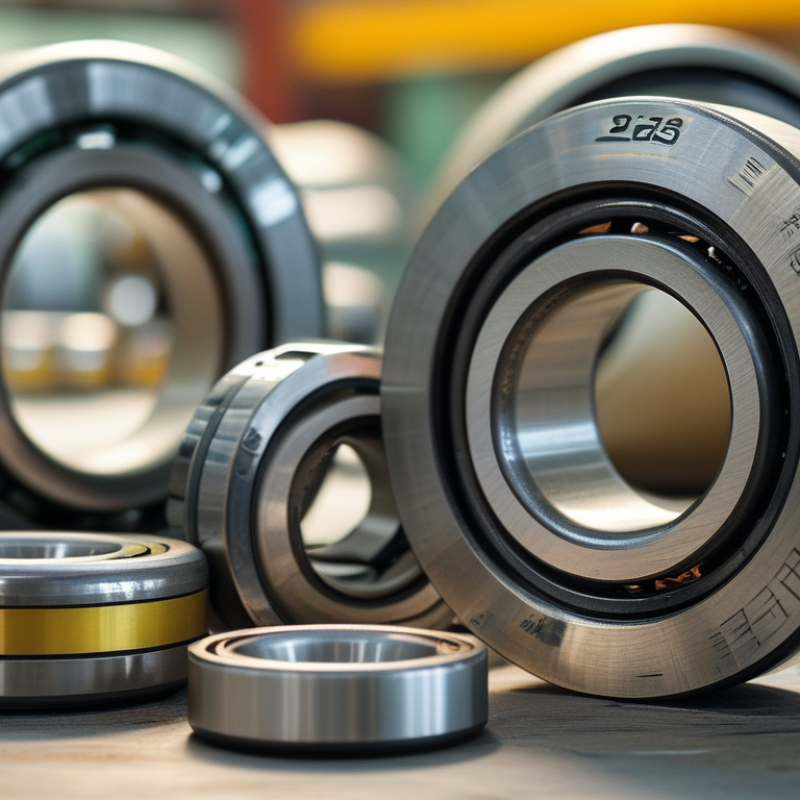
China's bearing industry in 2023 demonstrates a complex landscape. The sector continues to evolve, driven by technology and increasing automation. Manufacturing facilities are investing in advanced machinery. This boosts productivity but also raises quality standards. Small enterprises struggle to keep pace with larger competitors.
The growth of electric vehicles impacts demand in this sector. Bearings are crucial in electric motors, making them vital for these new technologies. Additionally, sustainability trends encourage manufacturers to adopt eco-friendly practices. This shift poses challenges, as transitioning to green technologies requires investment and expertise.
Tips: Global buyers should pay attention to local partnerships. Collaborating with Chinese manufacturers can provide insights into market trends. Consider visiting facilities to evaluate their capabilities firsthand. Additionally, stay informed about government policies affecting the industry. This knowledge can help forecast potential disruptions or opportunities. Always conduct thorough research before entering contracts to avoid pitfalls.
Emerging Technologies Influencing Bearing Production and Design
Emerging technologies are reshaping China's bearing industry. Innovations in materials like ceramic and composite options increase durability and reduce weight. According to a recent report, the ceramic bearing market is projected to grow by over 25% annually. This shift allows for higher performance in demanding environments.
Digital technology also plays a significant role. Automation and smart manufacturing enhance production efficiency. The integration of IoT and AI is pivotal in predictive maintenance. Reports indicate that predictive maintenance can reduce downtime by 30%. This technology improves operational efficiency, making it essential for manufacturers.
Tips: Consider investing in suppliers who leverage advanced technologies. Focus on partnerships that emphasize research and development. Understanding new material benefits can significantly enhance product quality and longevity. The industry is evolving, and adapting to these trends will ensure a competitive edge.
Top Trends in China's Bearing Industry by 2026 for Global Buyers
Shifts in Consumer Demand and Market Trends by 2026
The bearing industry in China is witnessing significant shifts in consumer demand. By 2026, the market is projected to grow at a CAGR of 6.3%, reaching USD 20 billion. Factors driving this growth include the rising demand for renewable energy and electric vehicles. An increasing shift towards automation in various industries also plays a crucial role. These developments reflect changing consumer priorities and technological advancements.
Market trends indicate a transition towards more sustainable and high-performance bearings. Reports suggest that 57% of buyers now prefer products with a lower environmental impact. Traditional steel bearings face competition from advanced polymer and ceramic options. These alternatives offer improved efficiency and lifespan, attracting eco-conscious consumers. However, manufacturers face challenges in maintaining quality while meeting these evolving demands. Continuous innovation is essential to adapt to these market dynamics.
Key Market Players and Competitors in China's Bearing Sector
The bearing industry in China is rapidly evolving, driven by technological advancements and increasing demand. As of 2023, China's bearing market was valued at approximately USD 18 billion. This growth is expected to continue, with projections indicating a market size of USD 25 billion by 2026. The market is becoming highly competitive, with numerous players striving for dominance.
Key market competitors include domestic companies that focus on innovation and quality. Many firms have invested heavily in research and development. They aim to enhance product performance and durability. Additionally, state-owned enterprises often lead in production capacity. However, challenges remain. For instance, some companies struggle with adaptation to newer technologies like smart manufacturing.
International players also vie for market share. Trends indicate an increasing collaboration between local and foreign entities. Such partnerships may bring advanced technologies to China's bearing sector. The complexity of this industry means that buyers must be cautious. Understanding the competitive landscape is essential for making informed decisions. A continuous analysis of player strategies and market dynamics is necessary for sustained success.
Top Trends in China's Bearing Industry by 2026 for Global Buyers
| Trend |
Market Share (%) |
Key Innovations |
Growth Rate (2021-2026) |
| Electric Vehicle Bearings |
30% |
Lightweight materials, high efficiency |
15% |
| High-Speed Train Bearings |
25% |
Low friction technology |
10% |
| Smart Bearings |
20% |
IoT integration, predictive maintenance |
20% |
| Sustainable Bearings |
15% |
Bio-based materials, recyclability |
12% |
| Robotics and Automation Bearings |
10% |
Precision, high load capacity |
18% |
Opportunities and Challenges for Global Buyers in the Chinese Market
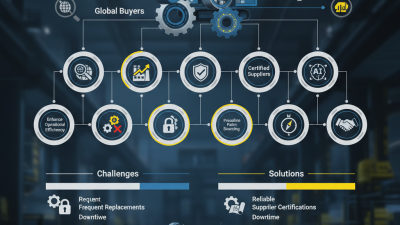
The Chinese bearing industry is growing rapidly. For global buyers, this expansion brings both opportunities and challenges. The surge in demand for industrial machinery has driven innovation in bearing technology. Many companies are investing in research and development to improve performance. Buyers can benefit from advanced products that enhance efficiency and reduce downtime.
However, navigating the Chinese market isn’t straightforward. Language barriers can complicate communication. Buyers may encounter different business practices and cultural nuances. Understanding these factors is critical for successful partnerships. Additionally, quality control remains a concern. Not all products meet the same standards, and buyers must be diligent in their evaluations.
Competition is fierce, with many players entering the field. Recognizing reliable suppliers is essential. It may require a thorough vetting process. Building a trustworthy network takes time and effort. Moreover, fluctuations in global supply chains can impact availability. This unpredictability demands a flexible approach from global buyers.